TMU Becomes ISRO's Nodal Center: A New Milestone in Space Education
Teerthanker Mahaveer University (TMU), located in Moradabad, has[...]
READ MORE
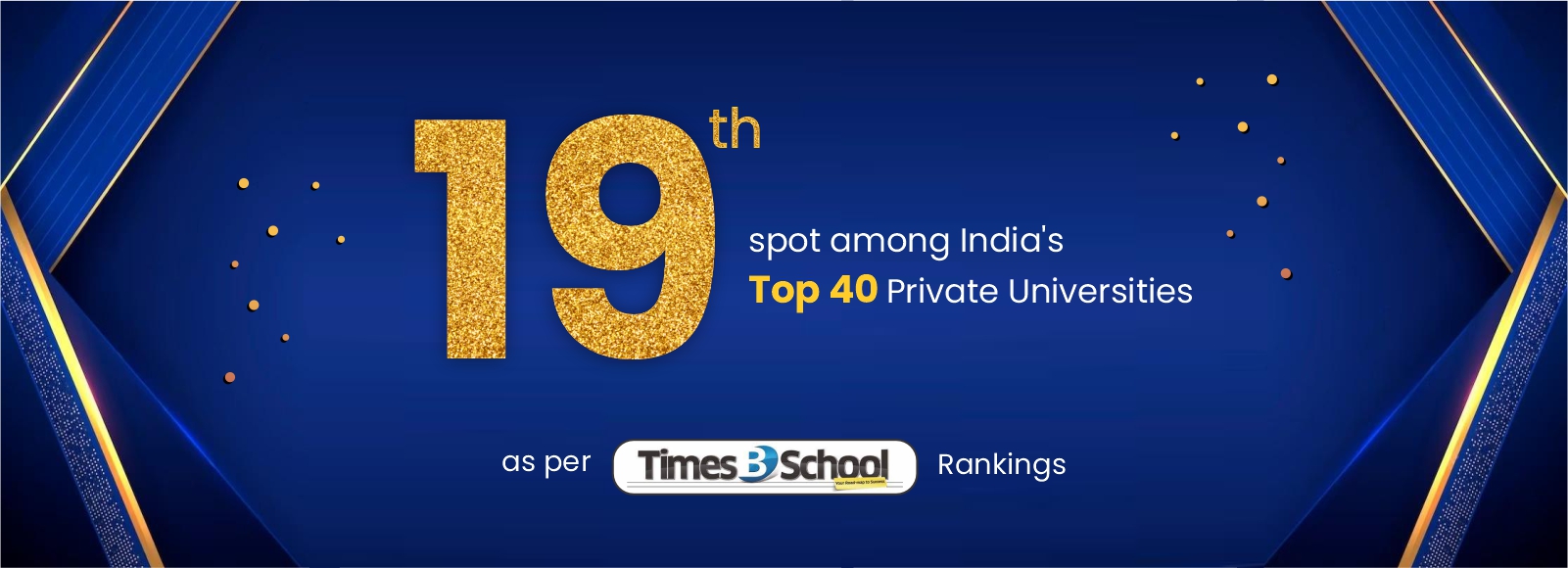
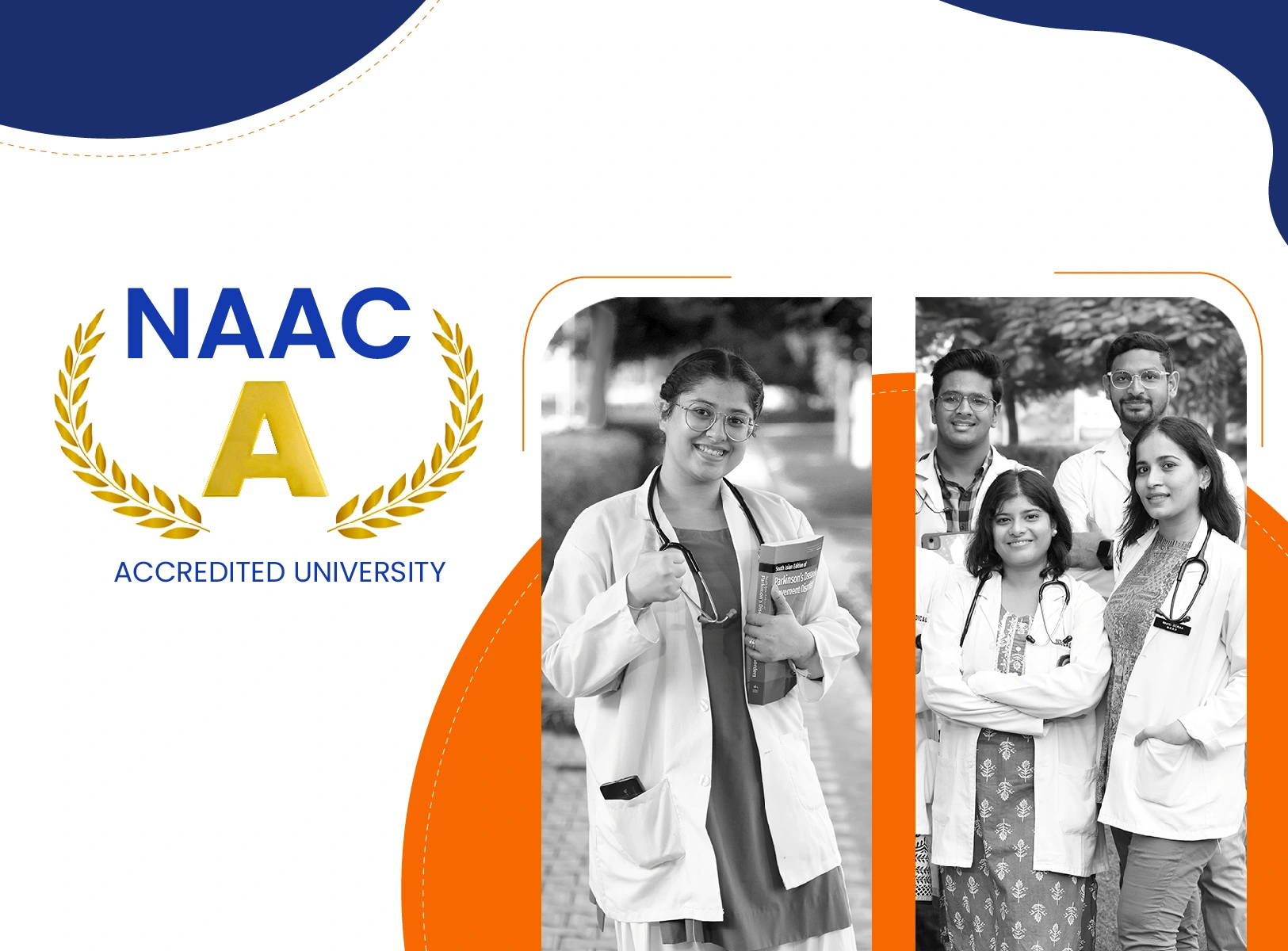
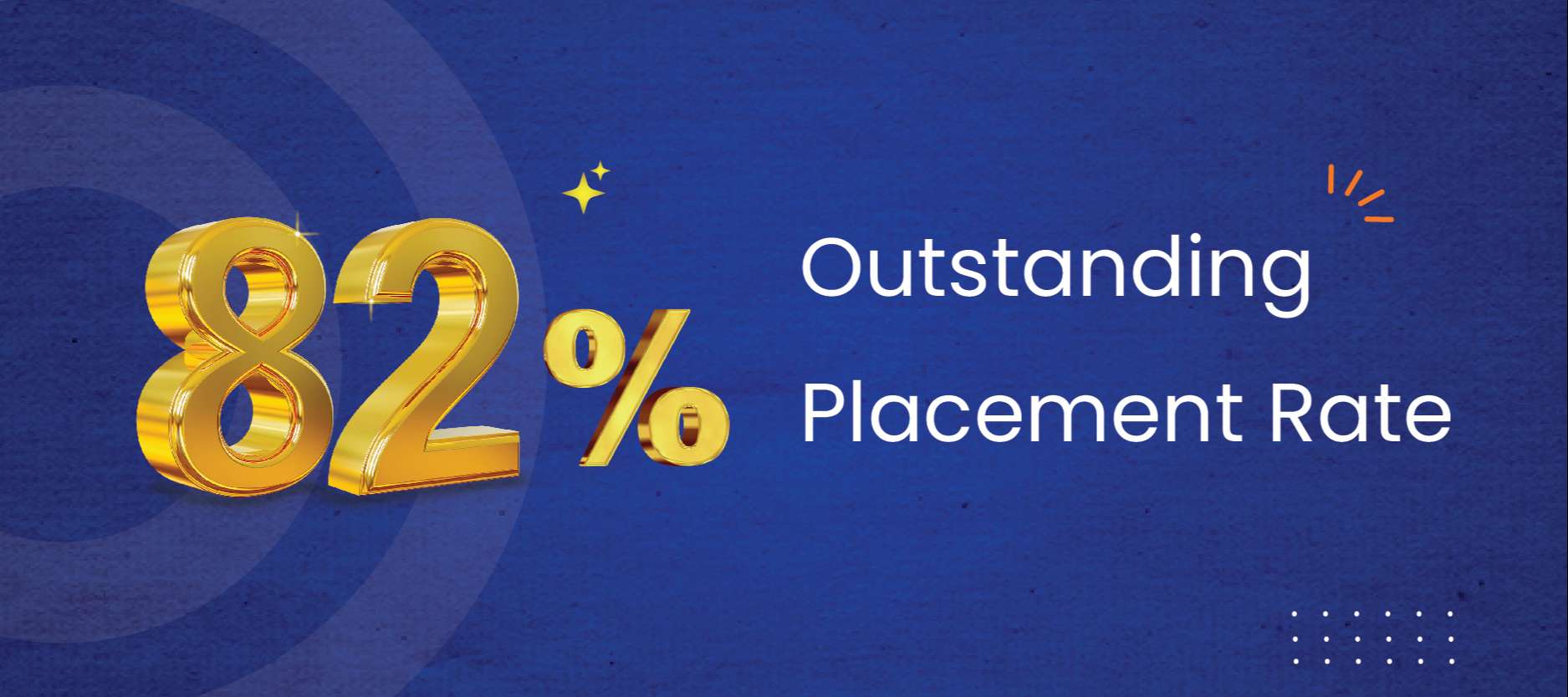





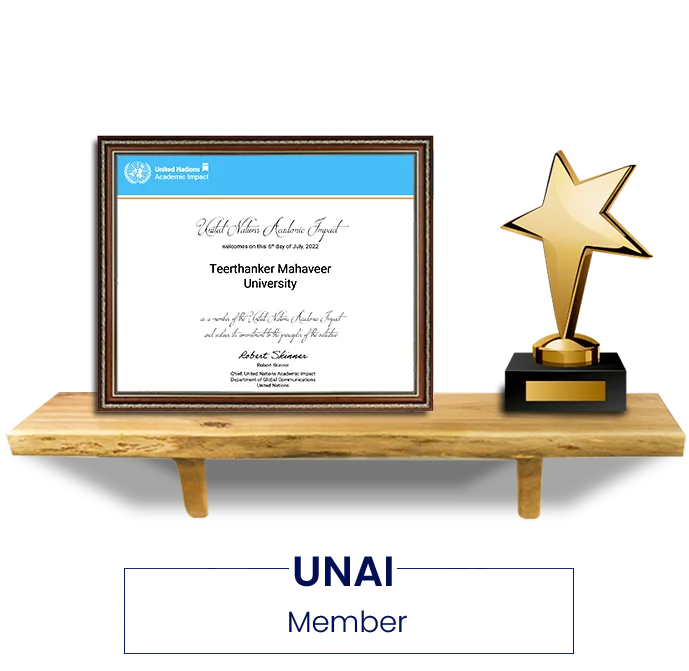
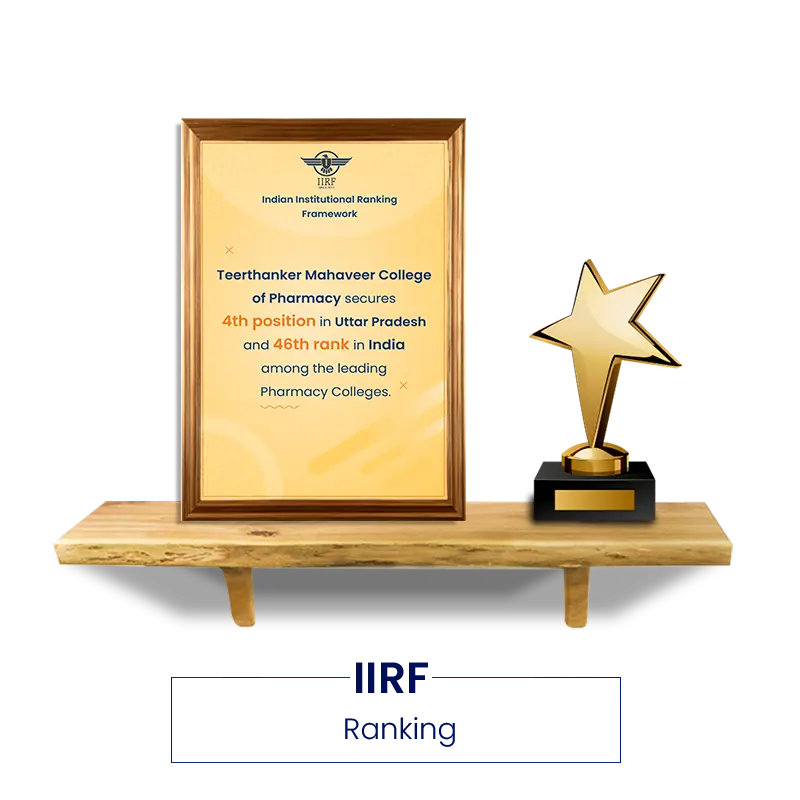
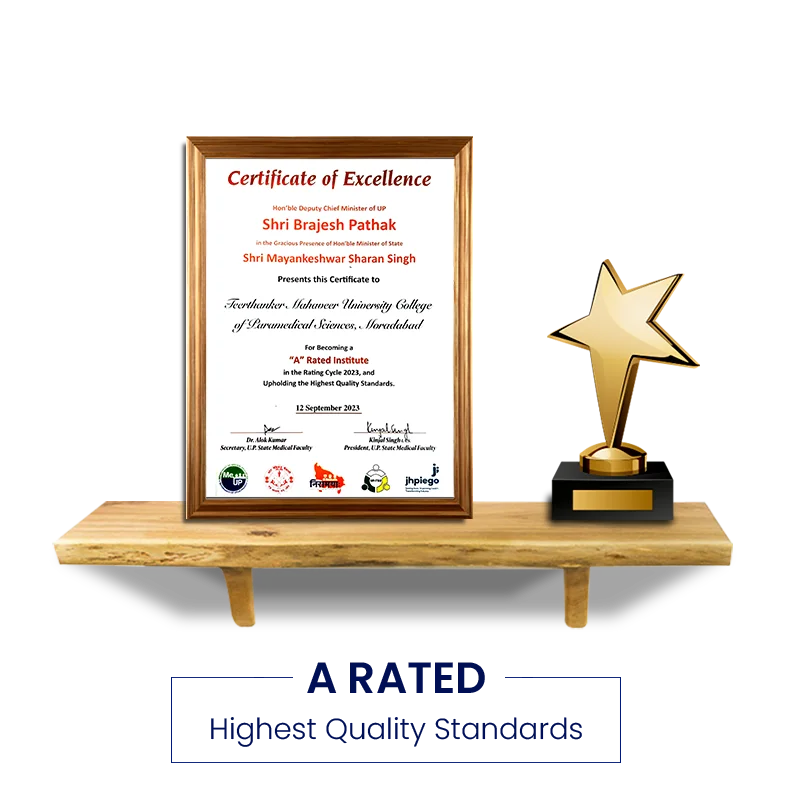
Teerthanker Mahaveer University (TMU) ranks among the top private universities in India, distinguished by its strong academic reputation and NAAC 'A' accreditation. It holds high rankings in NIRF and IIRF, and boasts impressive achievements such as the highest package of 60 LPA, an 82% rate in outstanding placements, and membership in the UNAI. Featuring world-class infrastructure and a business incubation centre, TMU has earned acclaim from leading organisations like LinkedIn, ObserveNow, Outlook, and Digii100. Explore more on this TMU’s website for further details.







Teerthanker Mahaveer University (TMU), located in Moradabad, has[...]
READ MORE
The entrepreneurial spirit thrived as the[...]
READ MOREA Bachelor of Business Administration (BBA Course) is an undergraduate degree programme that focuses
Read MoreUP Board 12th Result 2024, 12th board result details, how to check 12th result, careers after 12th,
Read MoreExplore the differences between LLB and BA LLB courses in terms of eligibility, duration, and career
Read MoreLearn about the crucial role of leadership skills in management College
Read MoreTop universities in india, best universities in india, top university in india, best university in i
Read MoreDiscover the essential strategies for management college students to build a strong personal brand.
Read MoreThe Faculty of Engineering and CCSIT is going celebrate 'National Technology Day' under the theme 'From Schools to Startups: Igniting Young Minds to Innovate'
The Cultural Club, CCSIT, is organising IGNITE 2024, the annual function. Don't miss out on the opportunity to showcase your talents. Contact event coordinators to register. Read More!
The Center for Indian Knowledge System, TMU is organising a workshop on the Indian Knowledge System- AMRIT VACHNAM. Our esteemed Chancellor, Shri Suresh Jain will serve as the Chief Guest for this event.
CCSIT is organising an expert talk on "Study Abroad at Aivancity School of Technology, France" from 12:00 PM to 1:30 PM with Prof. Amod Bhat as the speaker.
The University shall remain closed on account of Lok Sabha Elections. However, the emergency services of the Hospital shall remain functional.
Mega Quiz KHOJ 2024 Final Round for junior and senior batches is going to be held from 09:30 AM to 1:30 PM in Room Number 3106. Selected Students are requested to check the schedule. Read More!
TMU and University of Putra Malaysia are jointly organising the International e-Mobility Programme - Trees, Tech, and Tradition 2024 on the theme "Science & Culture for a Sustainable Future," on April 15 & 16. Register now.
Online Examination Schedule Released: ST IIT Bombay's Even Semester Jan-June 2024 Cycle for Various Programmes (BSc, BCA, MSc, BTech). All concerned SPOCs and Invigilators, please take note of the scheduled examinations. Read More!
The Department of Medical Laboratory Techniques, College of Paramedical Sciences, is going to organise a Hospital Visit to Amrita Institute of Medical Sciences and Research Centre, Faridabad, in collaboration with IIC.
The Faculty of Engineering is organising the 2nd Alumni Meet. Alumni, faculty, and students are invited to join to reconnect.
TMU partners with ISRO for the START online programme. Final year UG and PG students in physical sciences and technology can register for free from April 8th-12th
The College of Computing Sciences and IT is organising IBM Day to celebrate IBM's legacy, innovation and technology.
Alumni Mentorship Event Hosting Pooja Baghari from Government Medical College, Budaun, UP, on 'Normal Delivery/Labour to be held at LT Nursing.
Alumni Mentorship Event featuring Anamika Yadav, Physiotherapist at Ayushman Hospital and Health Services, New Delhi, on the topic 'Pain and Pain Gate Theory' to be held at College of Physiotherapy
Cultural Fest 'Blossom Bash,' to be hosted at the Nursing Building to celebrate Holi.
The Cultural Club of CCSIT is organisng a student fest for Holi, "SPLASH-The Joy of Colors," at the LT & CCSIT Compound.
Workshop on Recent Advances in ICU Rehabilitation to be held at the Nursing Building.
Awareness on vaccination to primary school students on national vaccination day
The Women Empowerment Cell, Faculty of Engineering, and CCSIT are going to organise International Women's Day at LT2.
The Department of Mechanical Engineering is hosting a one-day workshop on "Drone Technology" in association with ESTC Ramnagar.
The Computer Science and Engineering Department is organising a Digital/Physical Poster Competition on the topic "Mera Pehla Vote-Desh ke liye".
Students may register for the 14th edition of Mega Quiz Khoj-2024 which is being organised by the Techno Club.
The Department of Physics is going to organise National Science Day with various activities and competitions at LT-6.
The Electronics and Communication Engineering Department is organising a Guest Lecture on "Process of Innovation & Technology Readiness Level" at LT-6.
Prashant
Placed in: Hindustan Wellness
The B.Pharma Programme at TMU gently guided me through the captivating world of pharmaceuticals. Initially, I was a bit confused in choosing where to land, but choosing TMU became one of the best decisions made. It was a personal exploration where my passion for healing and discovery found a nurturing home. I can’t thank enough my second home, TMU.
Rashmi Raj
Placed in: Decathalon
For me TMU wasn't just a place of study, it was where I discovered the artistry in business. Professors here were mentors who helped me navigate the complexities of creativity. TMU, to me, isn't just an educational space; it's the place where my journey in the world of commerce became a fascinating and personal expedition.
Shruti Jain
Placed in: Nagarro
TMU focuses on developing industry-ready skills. The practical approach to learning, coupled with exposure to real-world scenarios, enabled me to seamlessly transition into my career. TMU's impact on my professional journey is undeniable. I am thankful for the holistic education and support I received here.
Shubham Sagar
Placed in: TGT (Mathematics)
In my experience, pursuing a B.Ed was like entering a realm where education transformed into art. The mentors helped us enhance my academic and interpersonal skills. Teachers weren't just teachers; they became my guides, showing me how to teach with care. Thank You TMU community and I am very proud to be its part
Shaily Jain
Placed in: HL Mando India Pvt Ltd.
TMU has been instrumental in facilitating life-changing career connections that have had a profound impact on my professional journey. The relationships built with faculty, alumni, and industry professionals have played a pivotal role in my career progression. The supportive and enduring network cultivated at TMU continues to be a cornerstone of my ongoing success.
Nikita Shah
Placed in: Coforge
TMU is more than a university to me—it's the heartbeat of my career journey. The professors, like mentors and friends, guided me through real-world challenges. Today, as I navigate my field with confidence, I owe my success to the practical wisdom TMU instilled in me.
Ms. Pragati
Placed in: Civil Judge, UPPCS (J)
TMU has been a crucible for nurturing leadership skills, offering a transformative journey through leadership programmes, mentorship initiatives, and engagement in extracurricular activities. The holistic approach at TMU has honed my ability to lead effectively, and in clearing this exam. The University’s impact on my leadership journey is evident in the accomplishments of my evolving career.
Abdul Malik Khan
Placed in: India Mart
TMU, for me, is not just an MBA destination, it's the crucible where my leadership skills were forged. Beyond textbooks and case studies, TMU offered a dynamic learning environment where theories met practical challenges. It's a journey where I honed the skills that set me apart in the dynamic landscape of business and management.
Teerthanker Mahaveer University (TMU) has emerged as a prominent educational institution, garnering attention for various reasons. Let's explore the factors that contribute to TMU's status as one of the best private universities in India.
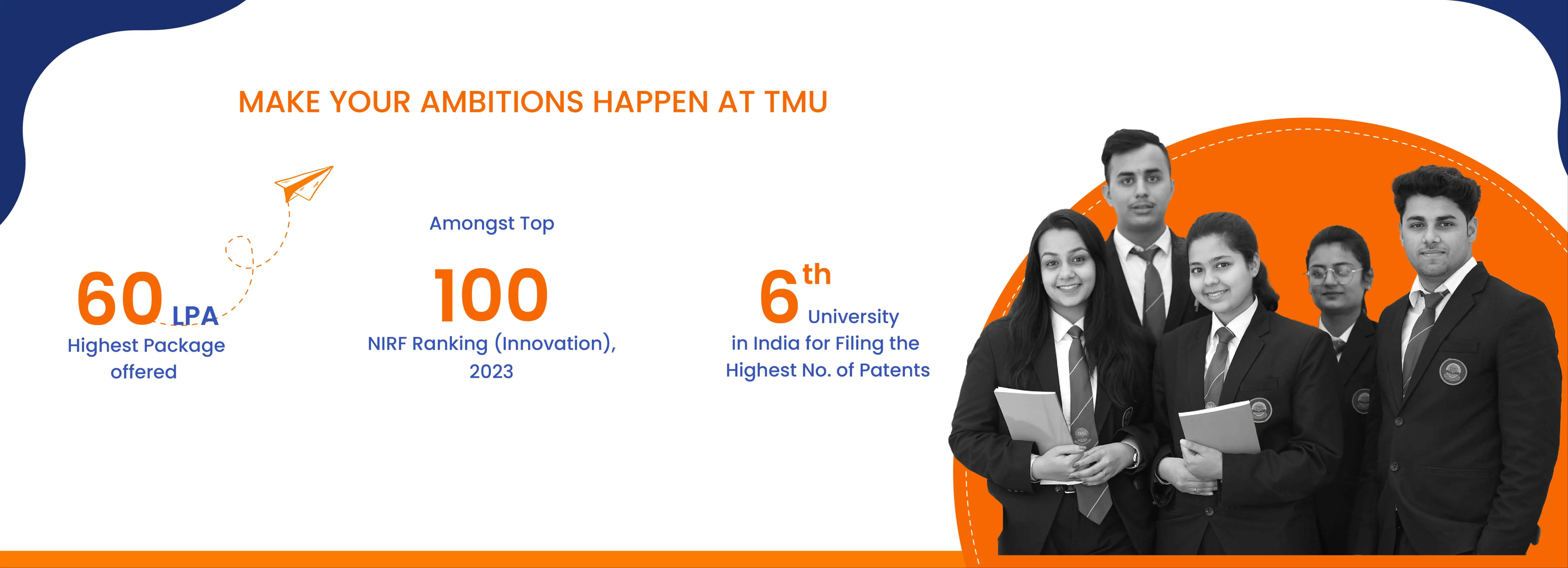
One of the key indicators of a university's success is its placement records. TMU boasts an outstanding placement rate of 82% in the academic year 2022-23.
The university's commitment to providing quality education is evident in the remarkable achievement of a 60 LPA package offered to TMU students, showcasing the recognition and demand for graduates from the university.
With over 100 collaborations with national and international organizations, TMU ensures that its students have access to diverse and enriching opportunities.
TMU secured a position in the 51-100 rank band in the NIRF innovation category, highlighting its commitment to fostering innovation in education.
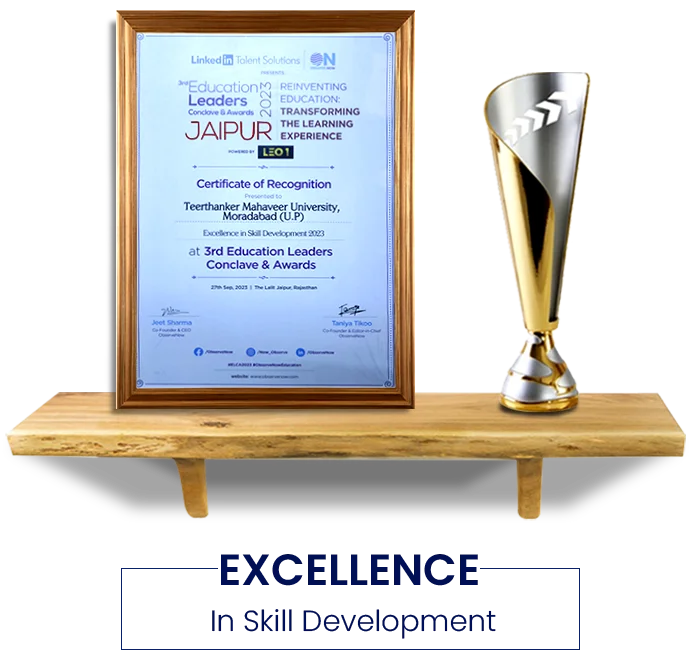
Acknowledgement from Observe Now and LinkedIn Talent Solutions for Excellence in Skills Development further solidifies TMU's standing.
TMU holds the 45th rank among the Top 50 State Private Universities by Outlook India, a testament to its overall excellence.
With over 28,000 alumni, TMU has created a robust network of successful individuals contributing to various fields globally.
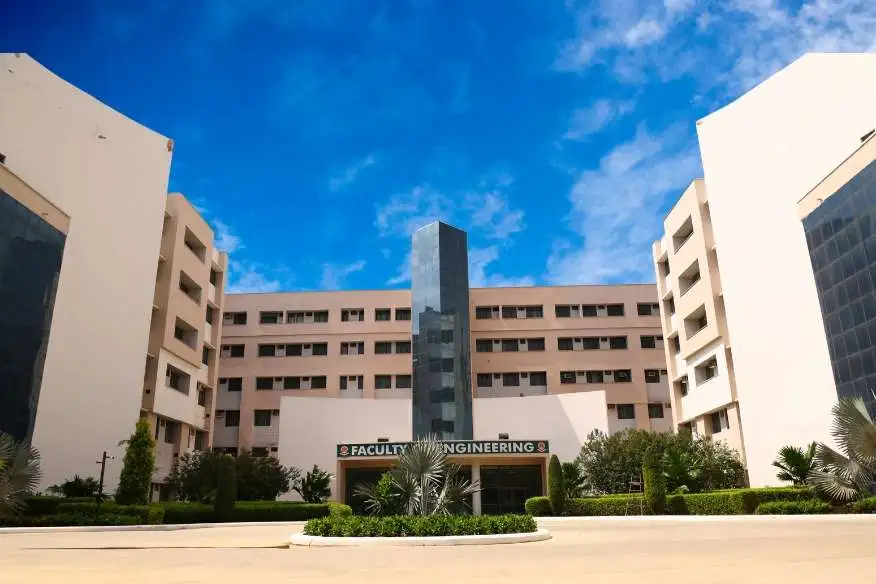
TMU offers over 150 programmes across 14 on-campus colleges and independent departments, catering to a wide range of academic interests.
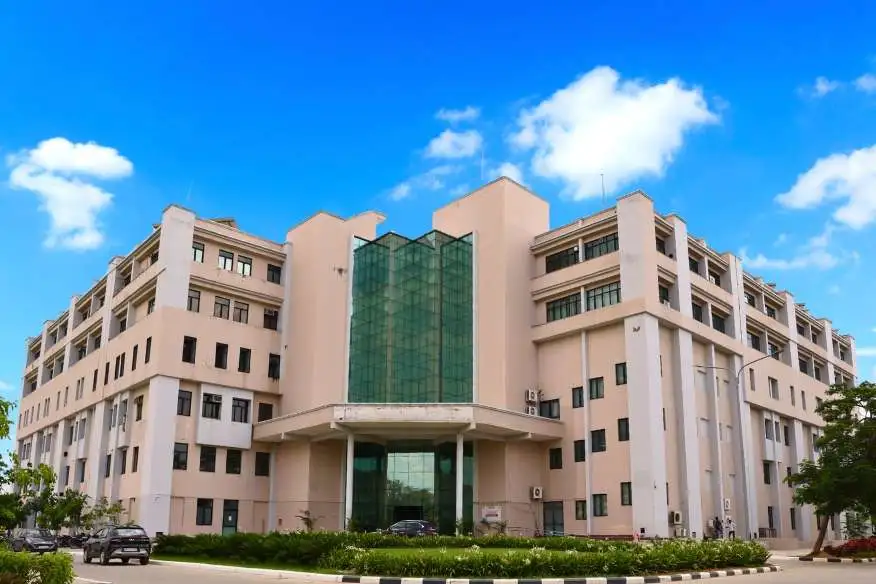
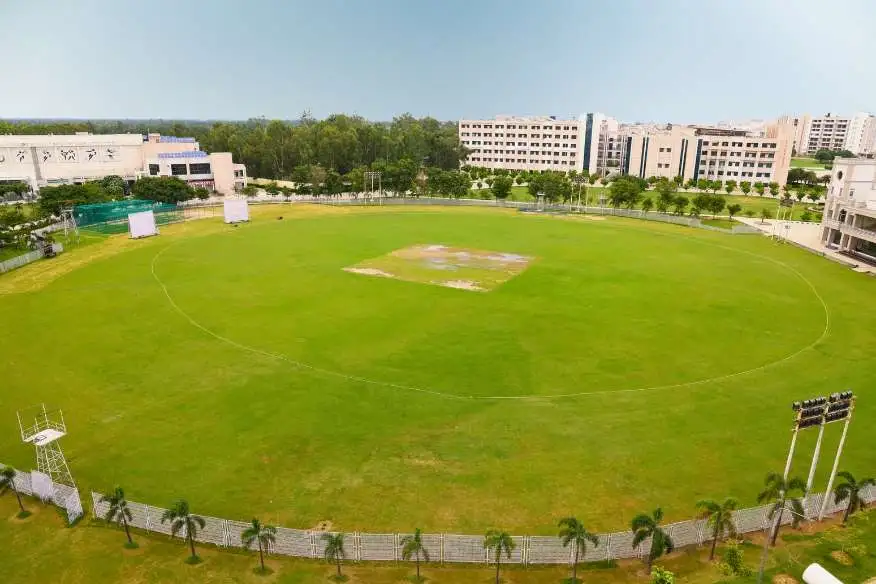
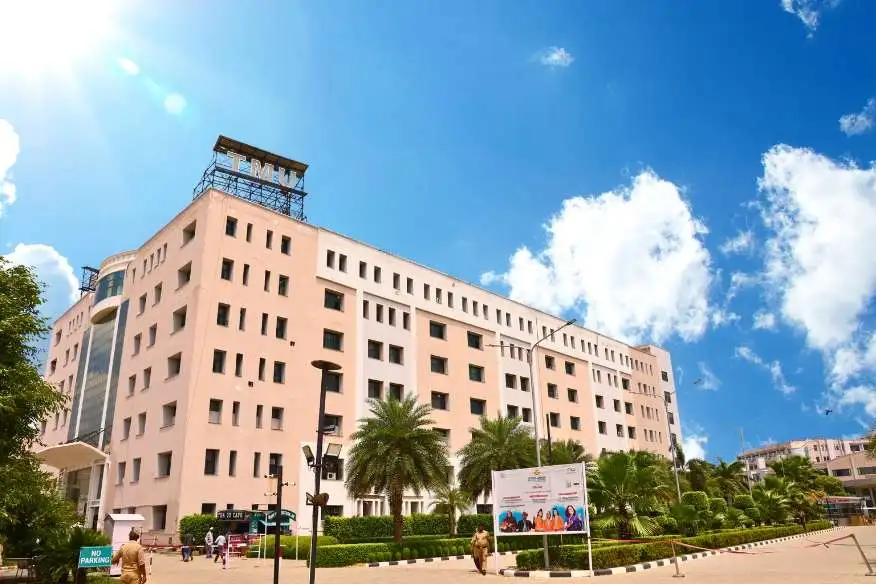
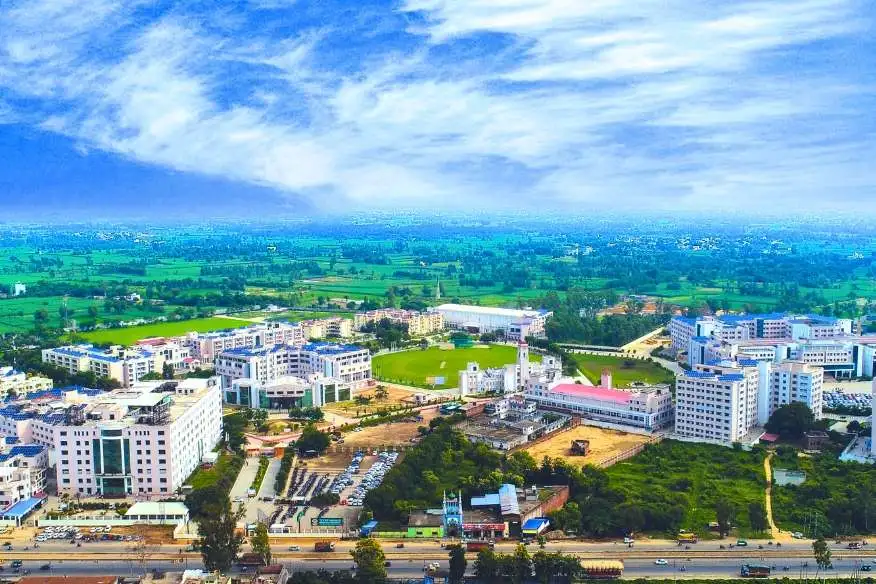
The university's lush green campus spanning over 130 acres provides a conducive environment for learning. State-of-the-art facilities, including sports complexes and libraries, contribute to a holistic educational experience.
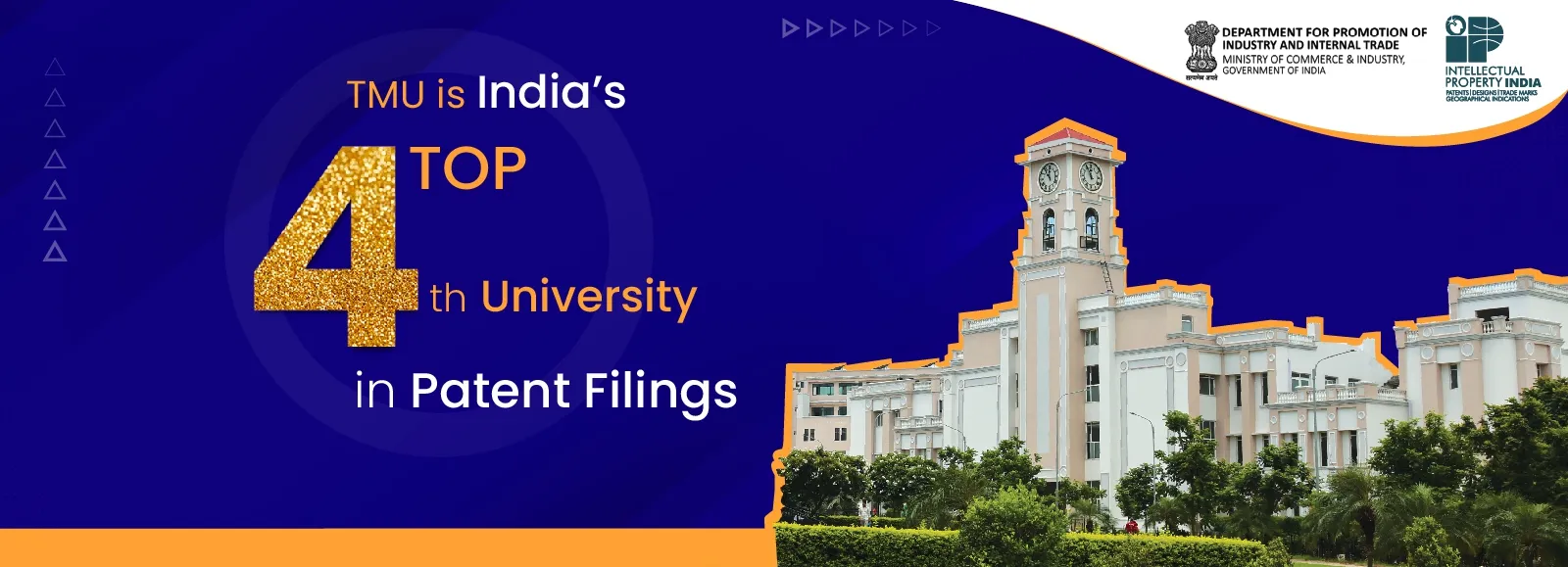
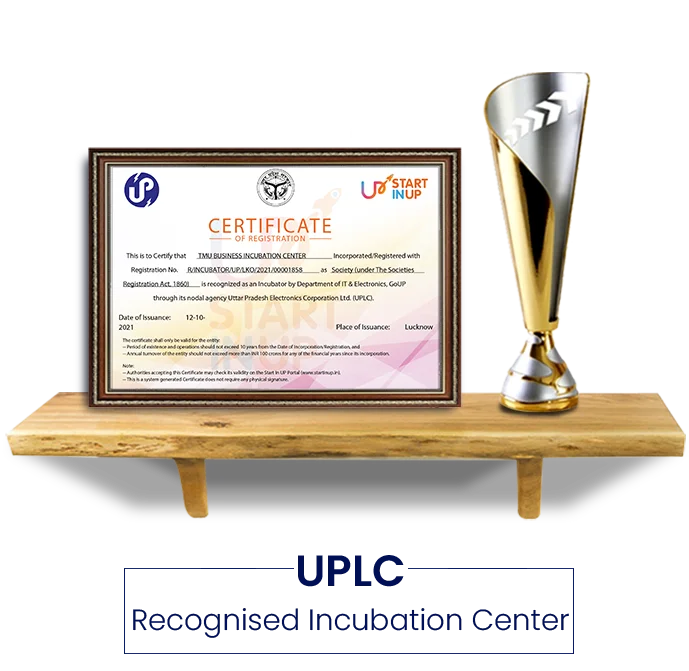
TMU ranks 6th nationally in patent filings among all universities, showcasing a commitment to academic excellence. The Business Incubation Centre's recognition by the UP state government further emphasizes TMU's success in fostering innovation.
TMU has established strong ties with leading industries, providing students with valuable insights and opportunities. Collaborations with IBM, AutoCAD, TCS-iON, and others enhance the practical exposure students receive.
TMU is strategically aligning with the future of education by implementing NEP 2020, adopting a national credit framework and redesigning the curriculum.
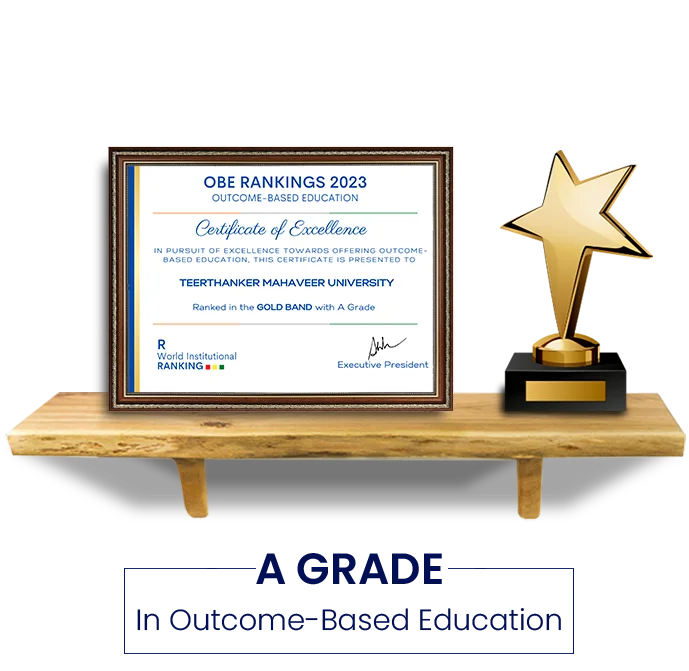
TMU's focus on OBE enhances the overall quality of learning, preparing students for the challenges of the future. TMU is actively contributing to the idea of a self-reliant India by creating a hub for startups, an Entrepreneurship Development Cell, and aligning its activities with the vision of an Aatmanirbhar Bharat through the Institution Innovation Council.
The university prioritizes skill development through various initiatives, including a Centre for Teaching Learning & Development, global internship opportunities, and live projects.
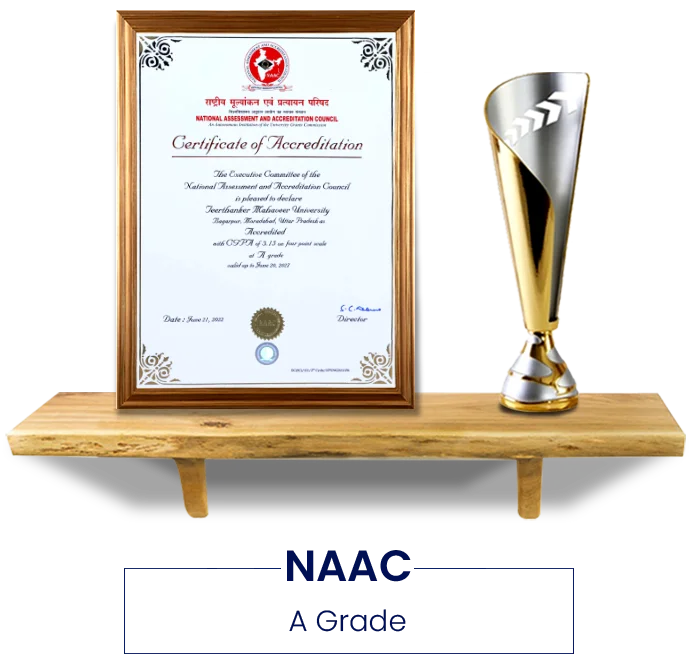
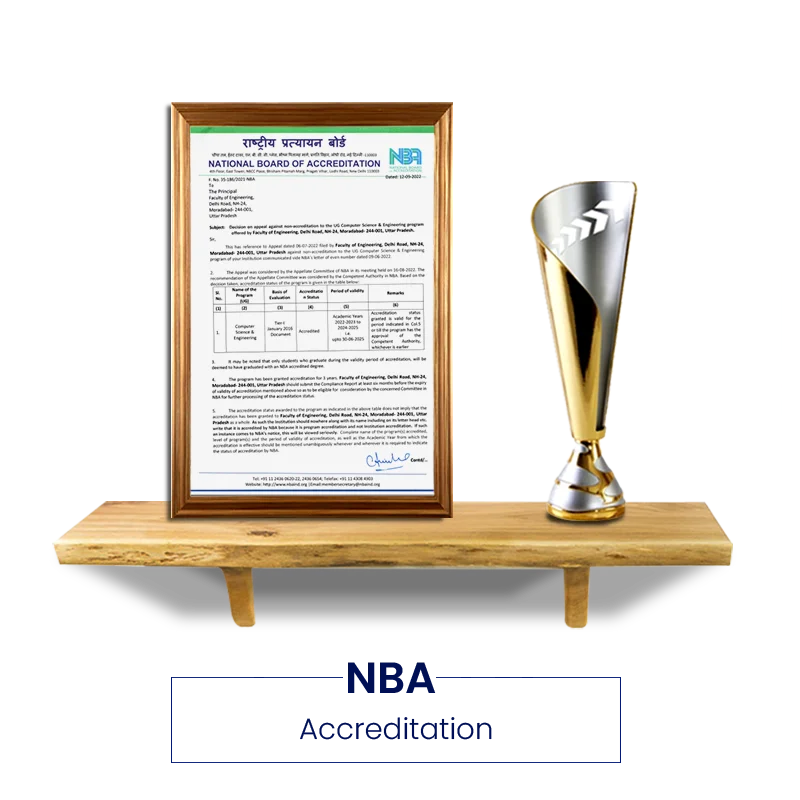
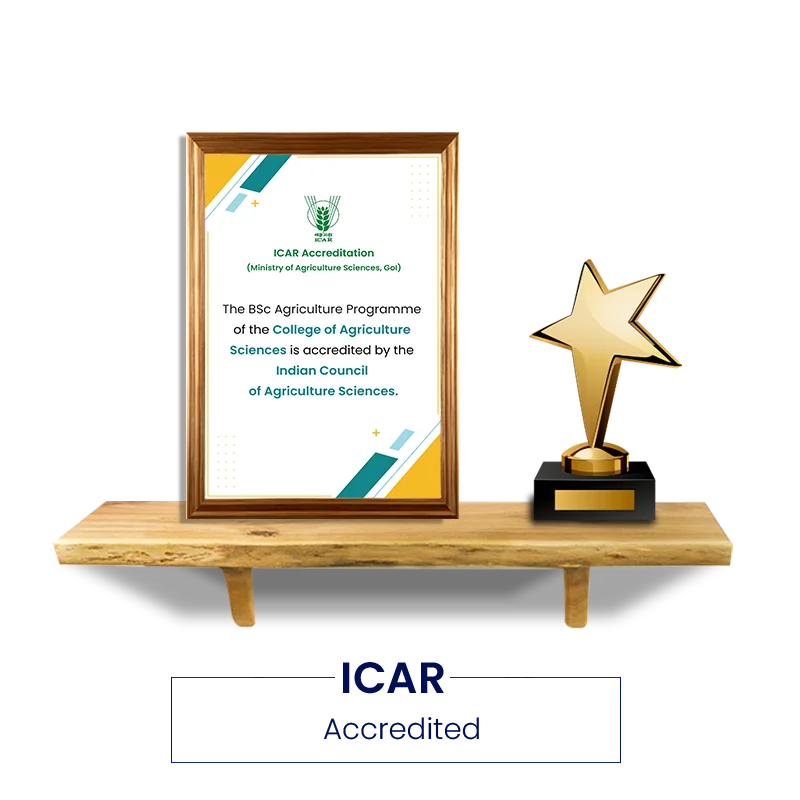
TMU's numerous accreditations, including NAAC-A, NBA, and ICAR, reflect its commitment to maintaining high-quality standards in education.
TMU's affiliation with the United Nations Academic Impact (UNAI) and global collaborations contribute to creating a culturally diverse community.
TMU's involvement in social initiatives, including NSS units and support for sustainable institutions, highlights its commitment to social responsibility.
Teerthanker Mahaveer University's consistent commitment to excellence, innovation, and holistic development has propelled it into the league of top universities in India. The impressive placement records, accolades, and a focus on quality education make TMU a preferred choice for aspiring students.
TMU's commitment to excellence, innovation, and holistic development sets it apart. The university's impressive placement records and global collaborations contribute to its distinguished status.
TMU actively fosters entrepreneurship through its Business Incubation Centre, strategic initiatives aligned with Aatmanirbhar Bharat, and a strong industry-university interface.
Accreditations like NAAC-A, NBA, and ICAR reflect TMU's adherence to high-quality standards, ensuring students receive a top-notch education.
TMU engages in various social initiatives, including NSS units and support for sustainable institutions, showcasing its commitment to social responsibility.
To get admission to Teerthanker Mahaveer University, visit the admission page or contact 18002701490