




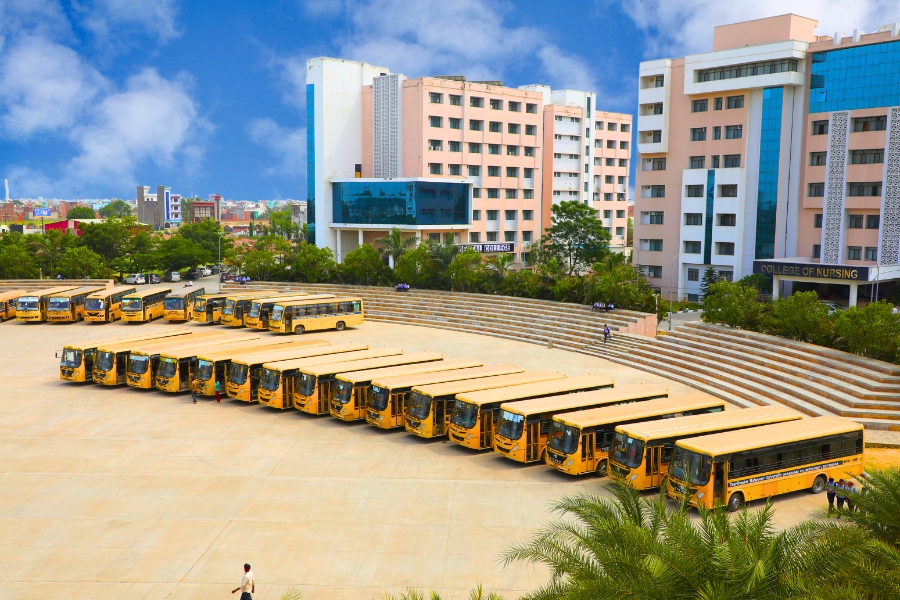
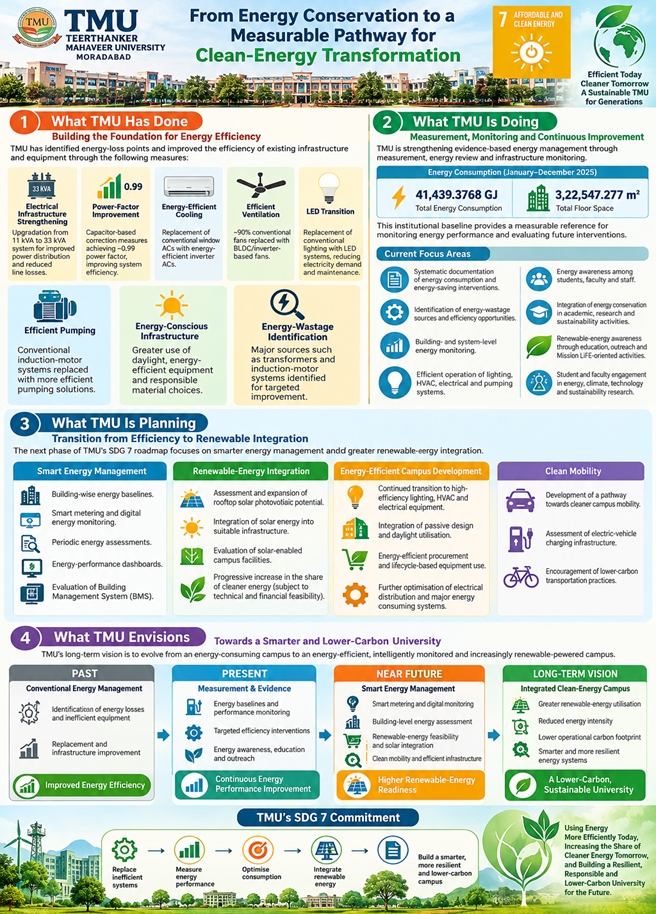
TMU approaches Clean and Affordable Energy as an institutional pathway that connects reliable energy access, energy efficiency, renewable-energy adoption, responsible consumption, technological improvement, learning, research and community engagement. Our energy sustainability journey has evolved from conventional energy management and conservation to systematic identification of energy losses, efficiency-led infrastructure improvements, measurable performance monitoring, and a forward-looking transition to cleaner, smarter energy systems.
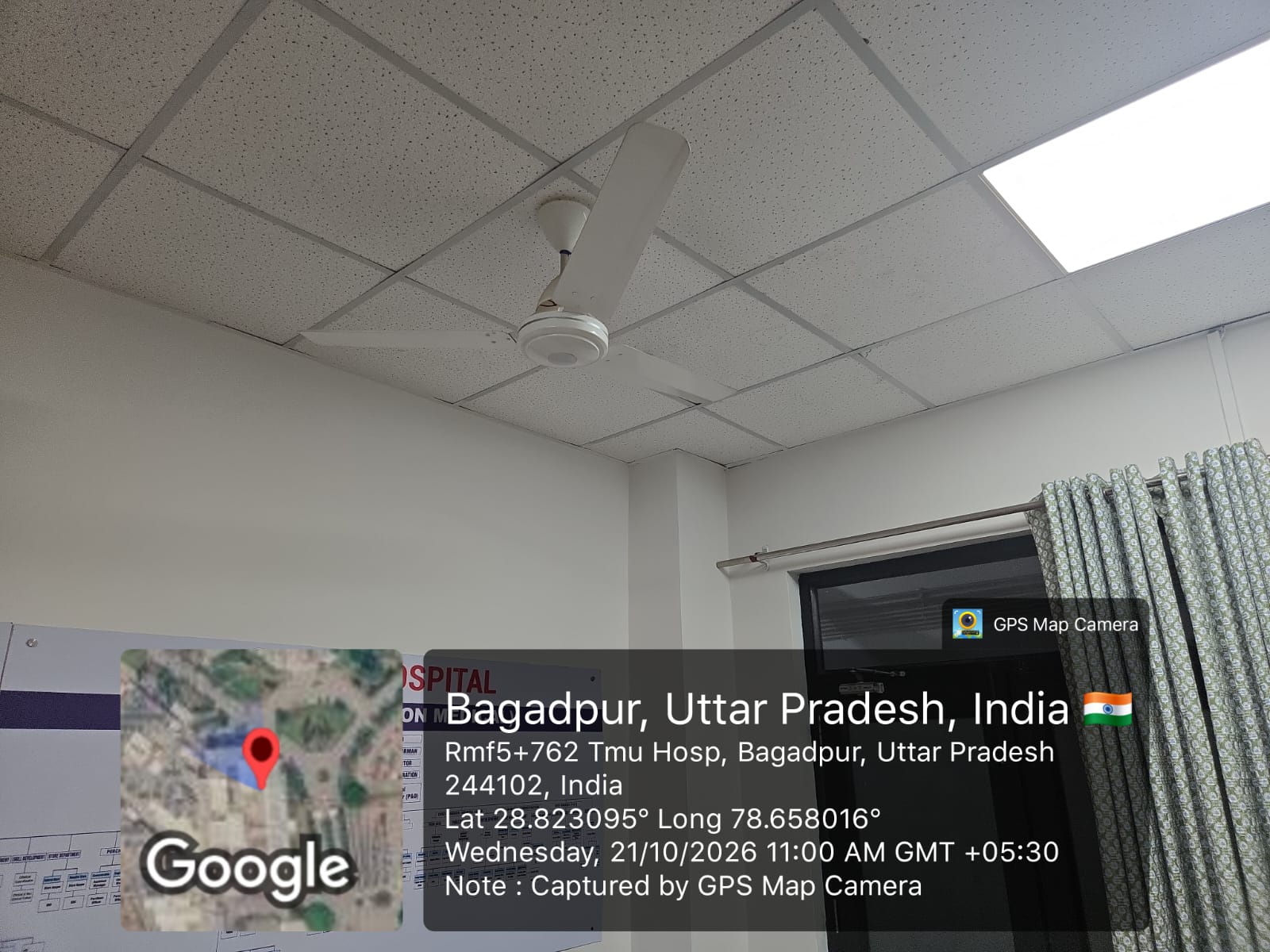
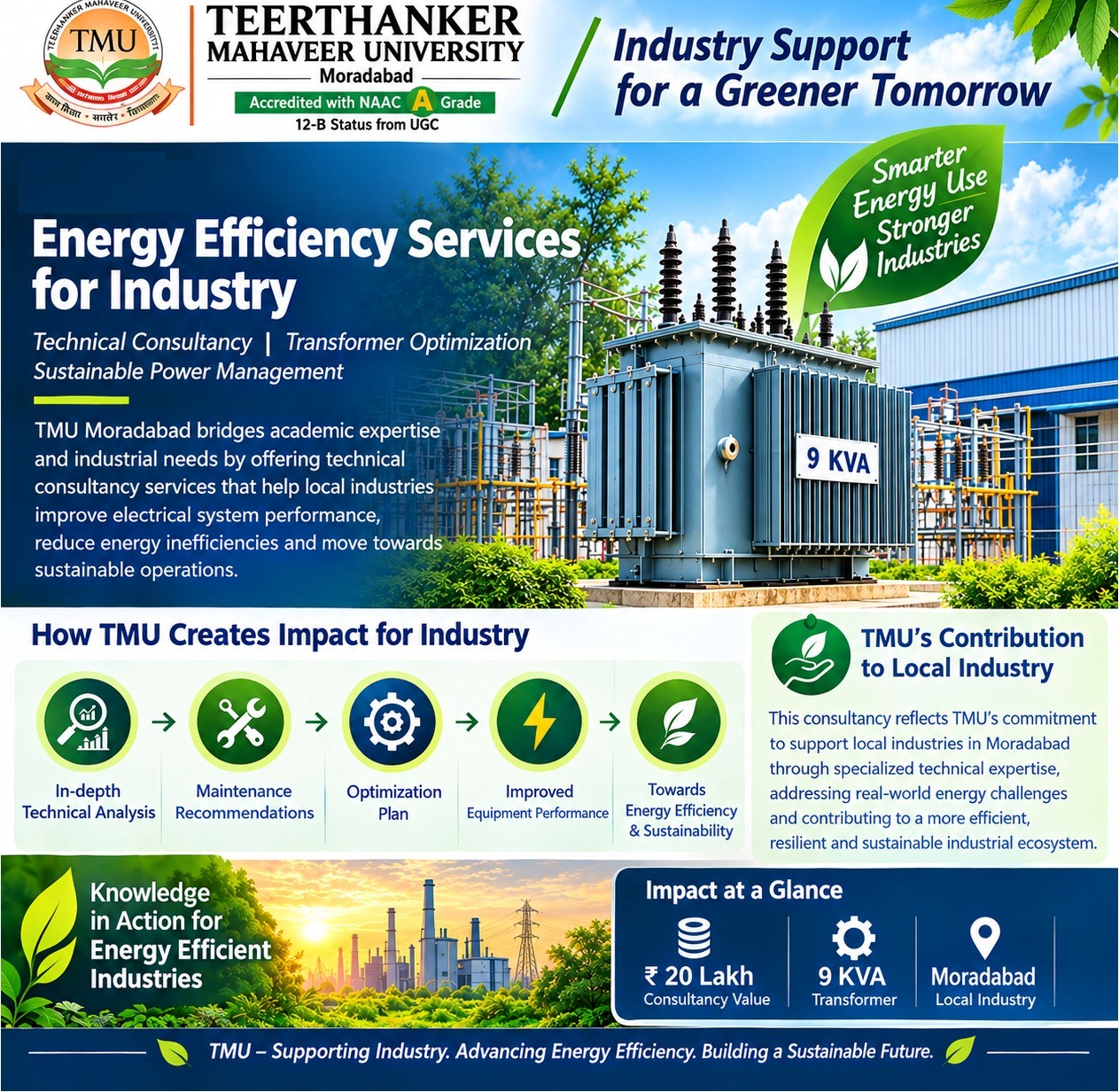
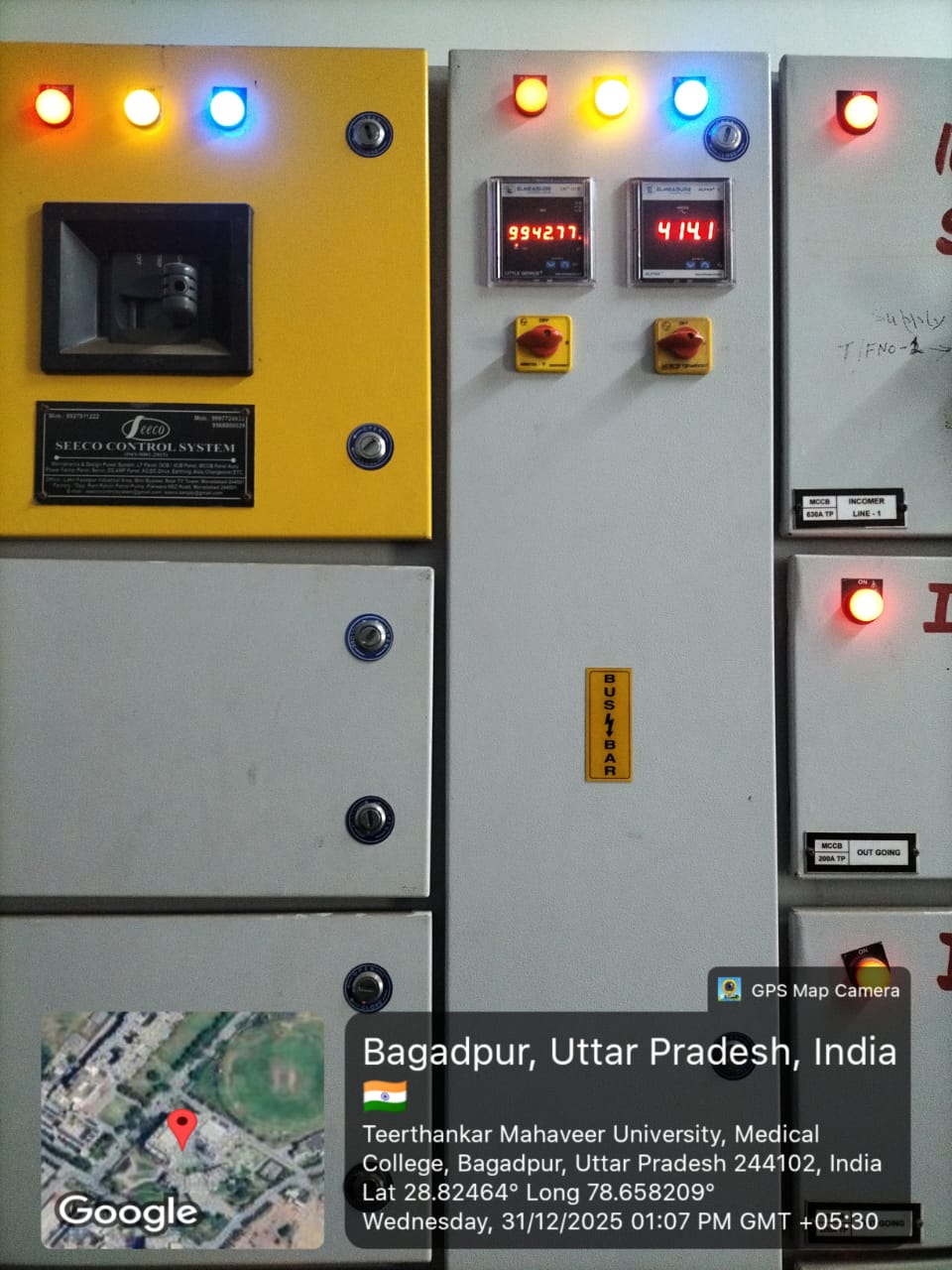
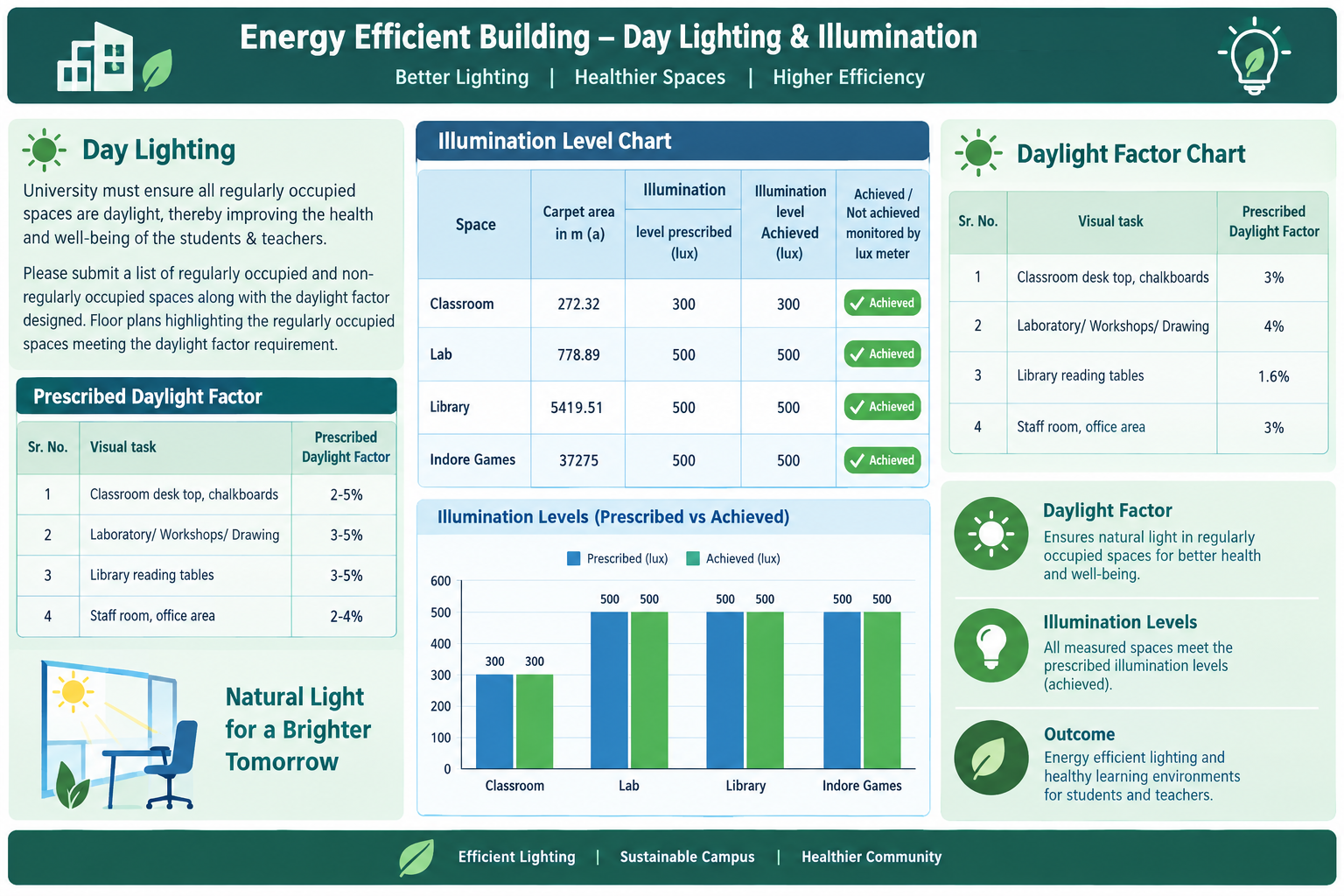
Over time, TMU has embedded energy efficiency within campus planning, buildings, electrical infrastructure, equipment, academic activities and operational practices. Energy-conscious infrastructure incorporates daylight utilisation, energy-efficient lighting, efficient electrical equipment, and locally sourced construction materials, reducing unnecessary energy demand and transportation-related environmental impacts. The progressive replacement of conventional systems with LED lighting, energy-efficient appliances, inverter air-conditioners and approximately 90% BLDC inverter fans reflects our emphasis on reducing energy consumption without compromising functional requirements. The upgrade from an 11 kVA to a 33 kVA electrical system, together with power-factor correction measures achieving approximately 0.99 power factor, has strengthened electrical system efficiency and reduced avoidable distribution losses. Conventional induction-motor arrangements in domestic pumping systems have also been replaced with more energy-efficient solutions.
TMU increasingly places measurement and evidence at the centre of energy-performance improvement. For January–December 2025, the University recorded 41,439.3768 GJ of energy use across 3,22,547.277 m² of floor space, providing an institutional baseline for monitoring energy intensity and evaluating future interventions. The University also documents energy-saving performance, energy reviews, infrastructure interventions, energy-wastage reduction measures and related operational improvements. This evidence-led approach enables the institution to distinguish essential energy demand from avoidable consumption and to progressively direct resources towards areas with greater efficiency potential.
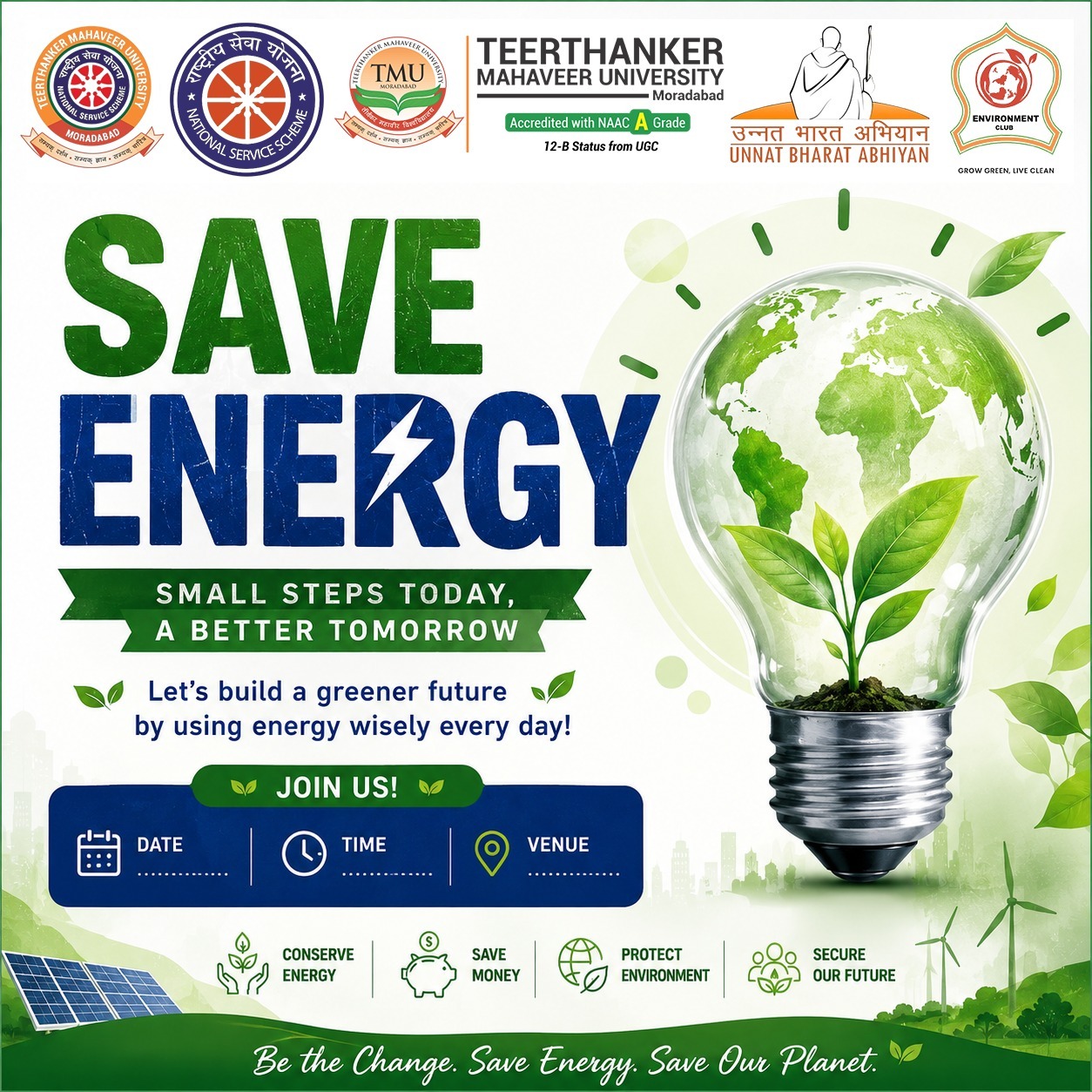
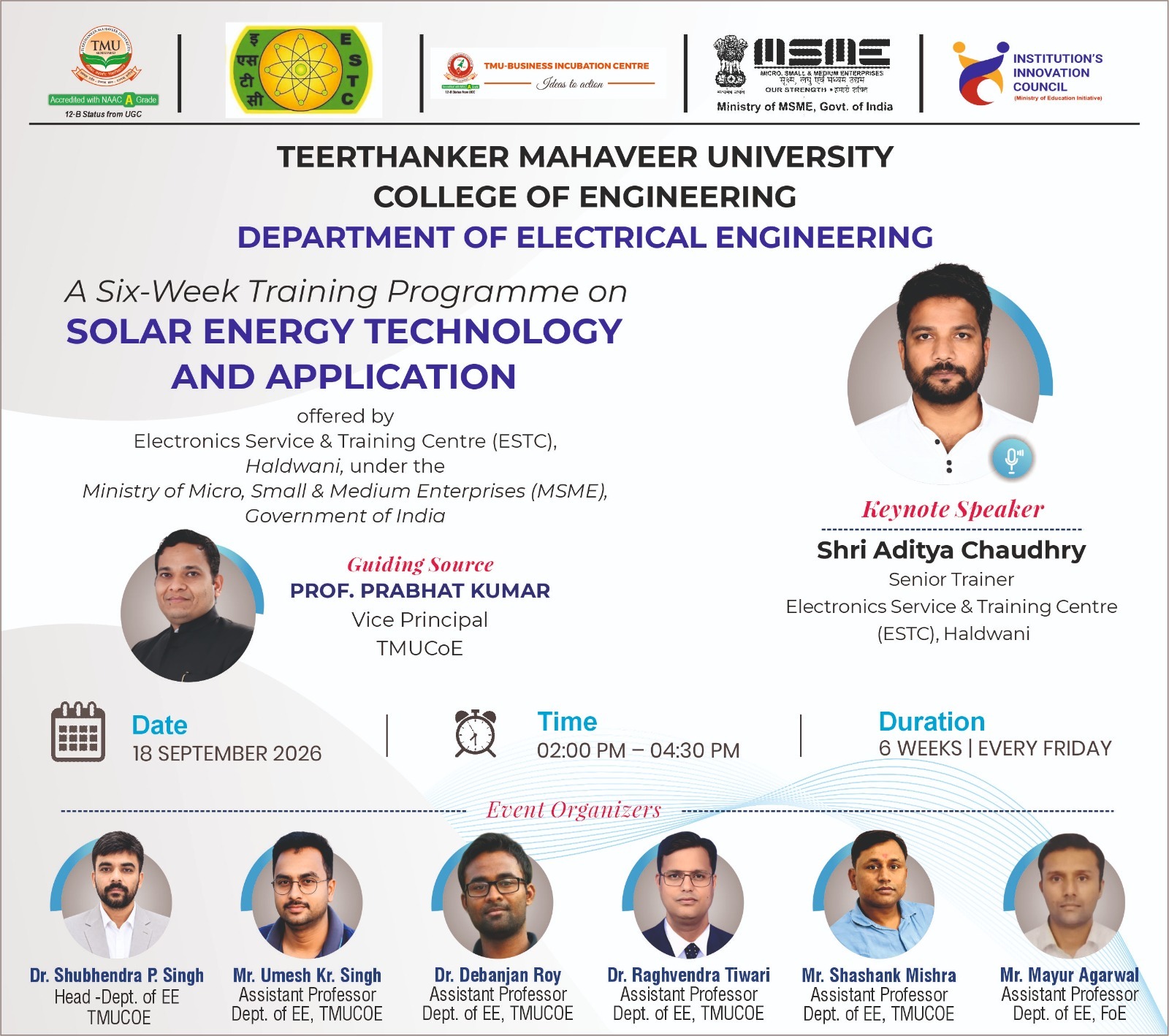
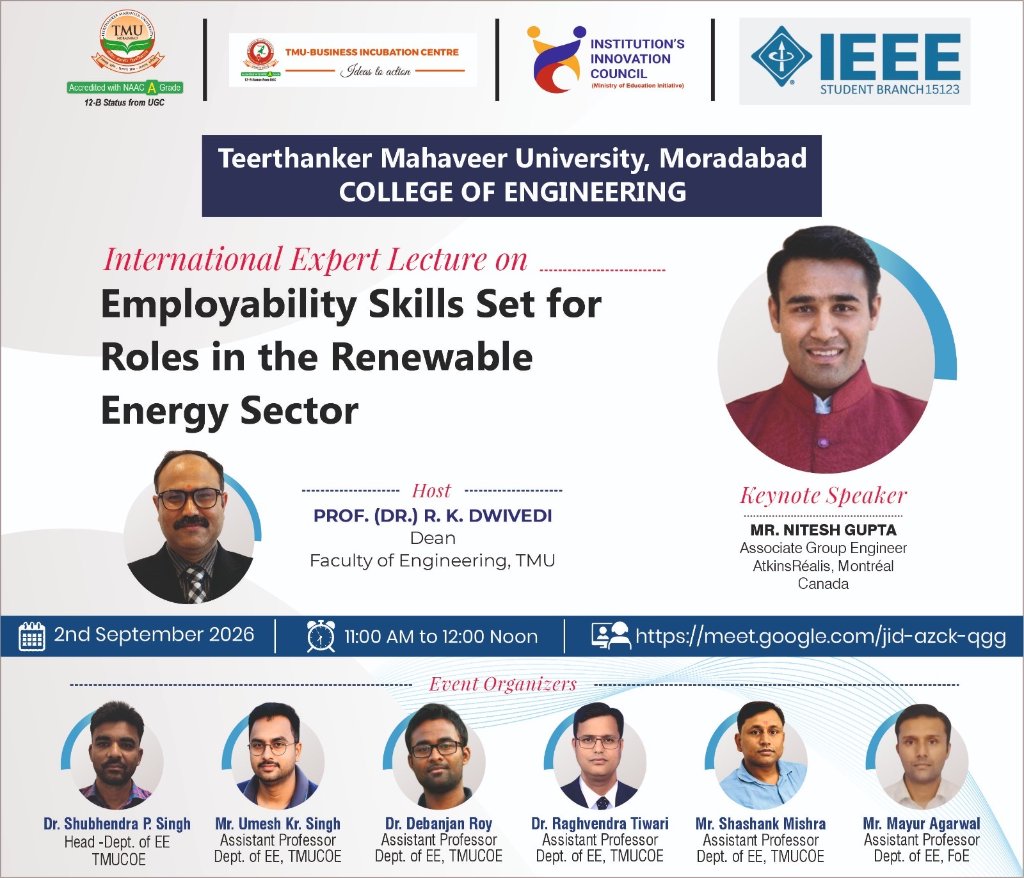
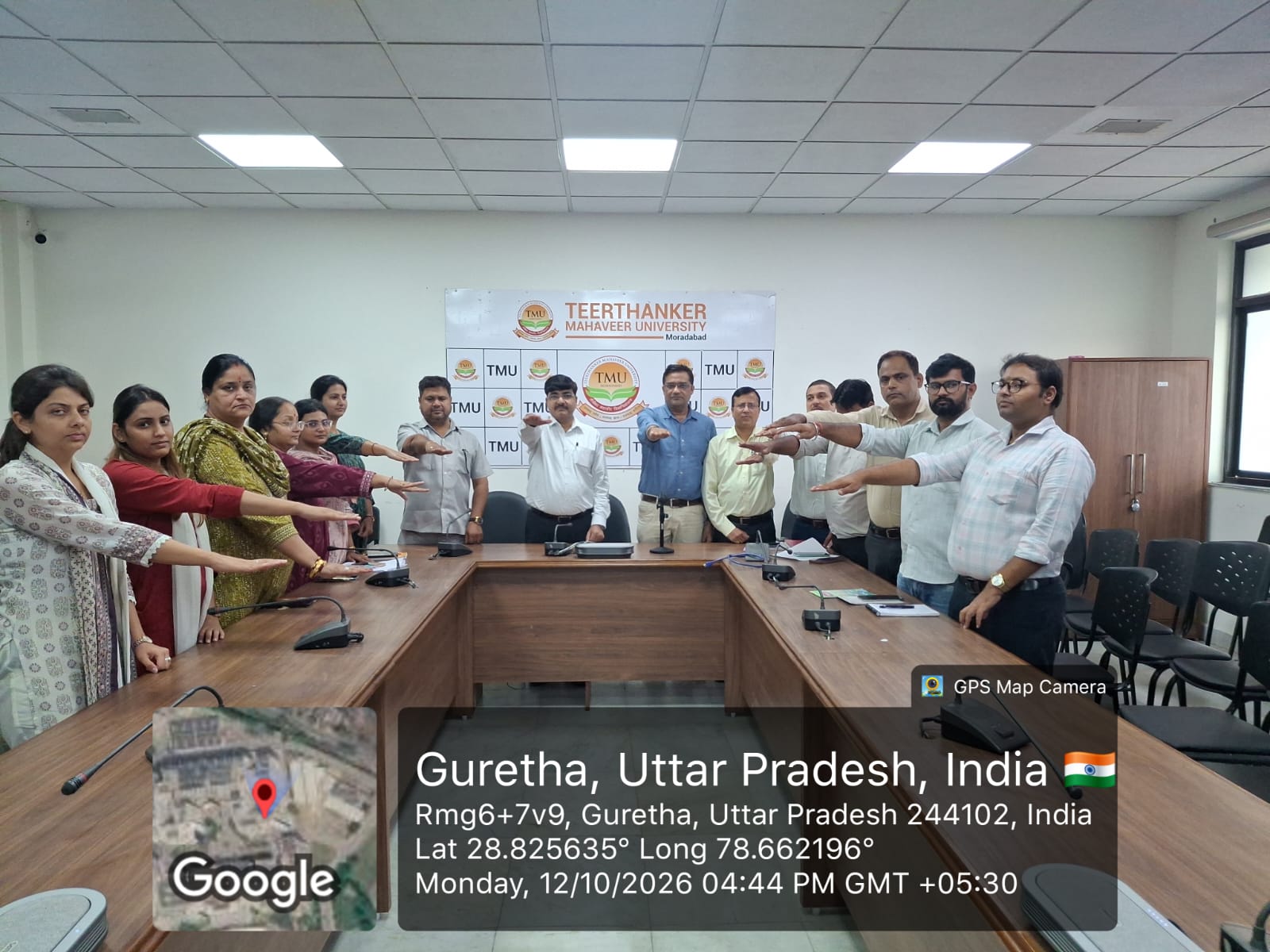
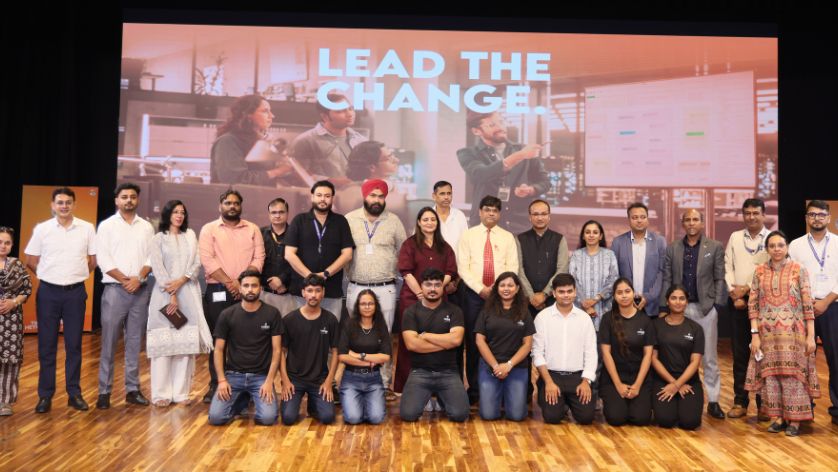
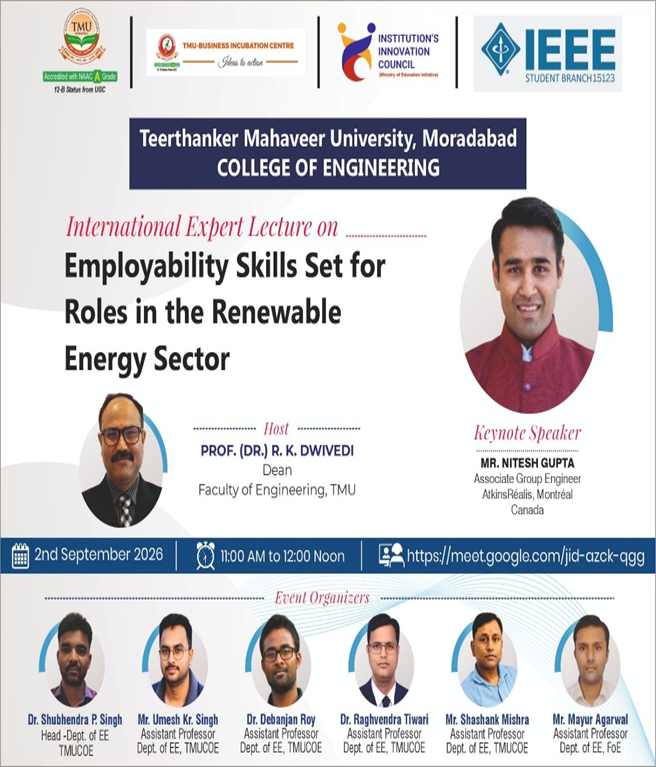
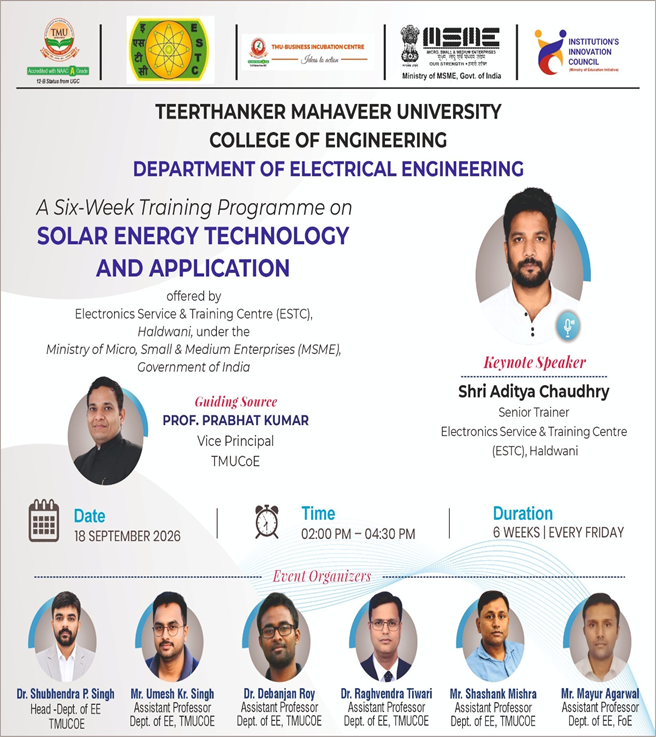
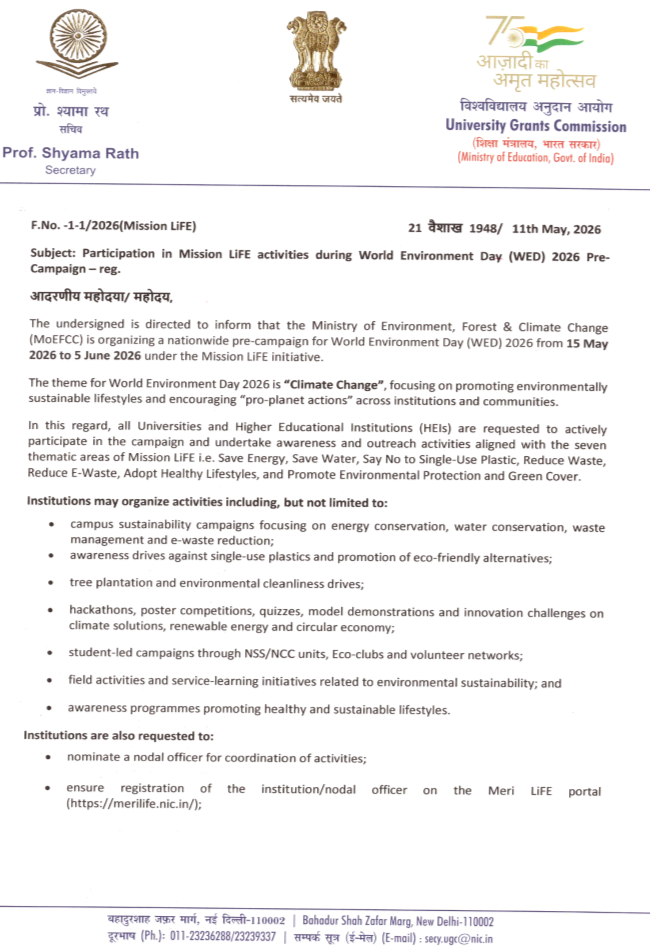
Our commitment extends beyond infrastructure. Faculty and students are engaged through education, research, innovation, awareness and sustainability-oriented outreach, while community initiatives promote energy conservation, responsible electricity use, renewable-energy awareness and resource-conscious behaviour. Through participation in sustainability and Mission LiFE-oriented activities, TMU translates institutional knowledge into practical community-level understanding, reinforcing the principle that the clean-energy transition requires not only technological change but also energy literacy and responsible human behaviour.
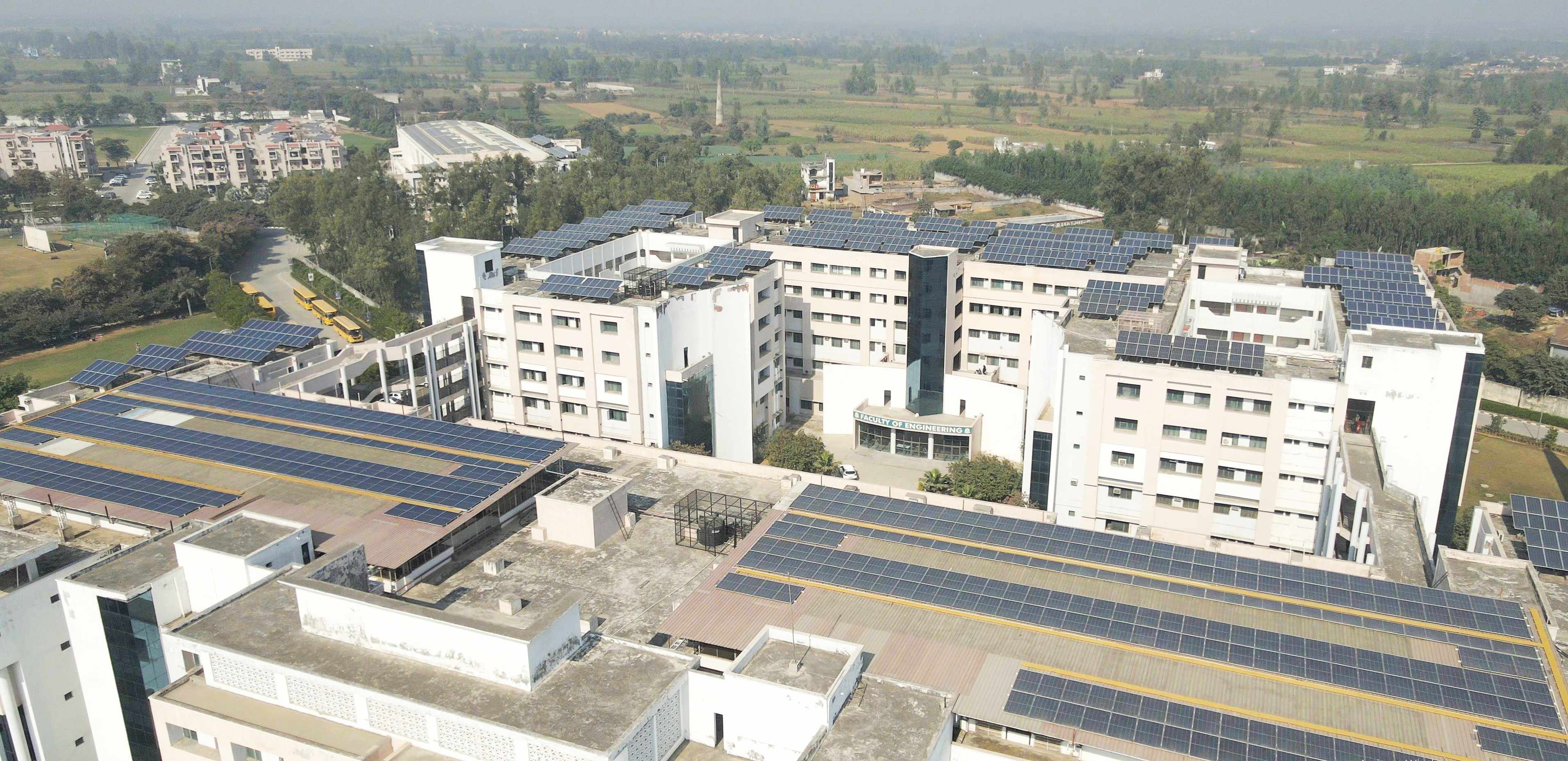
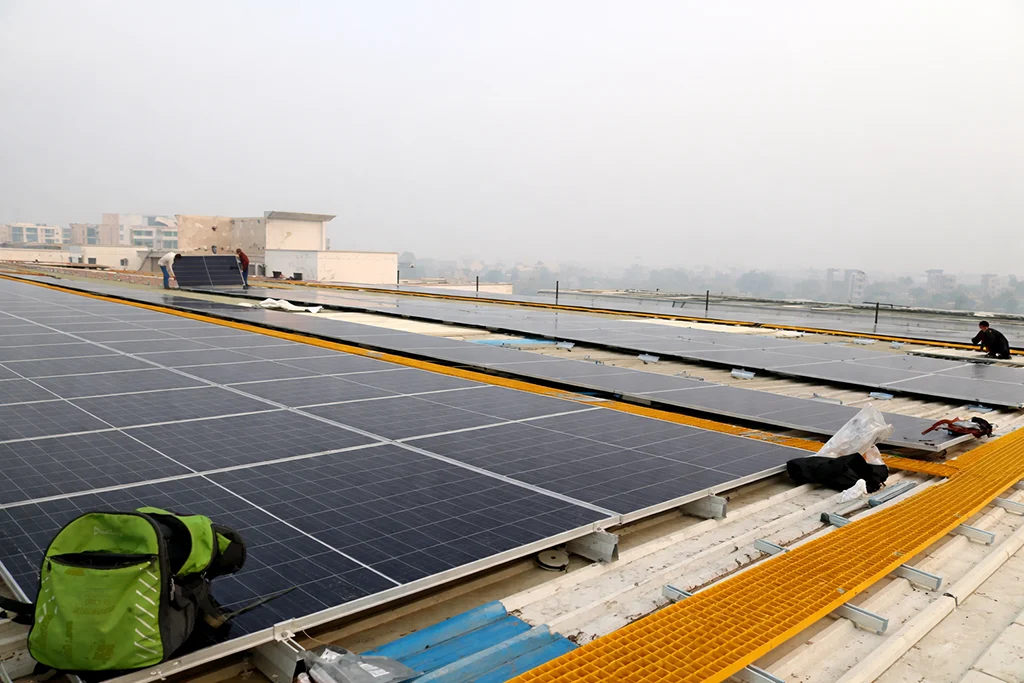
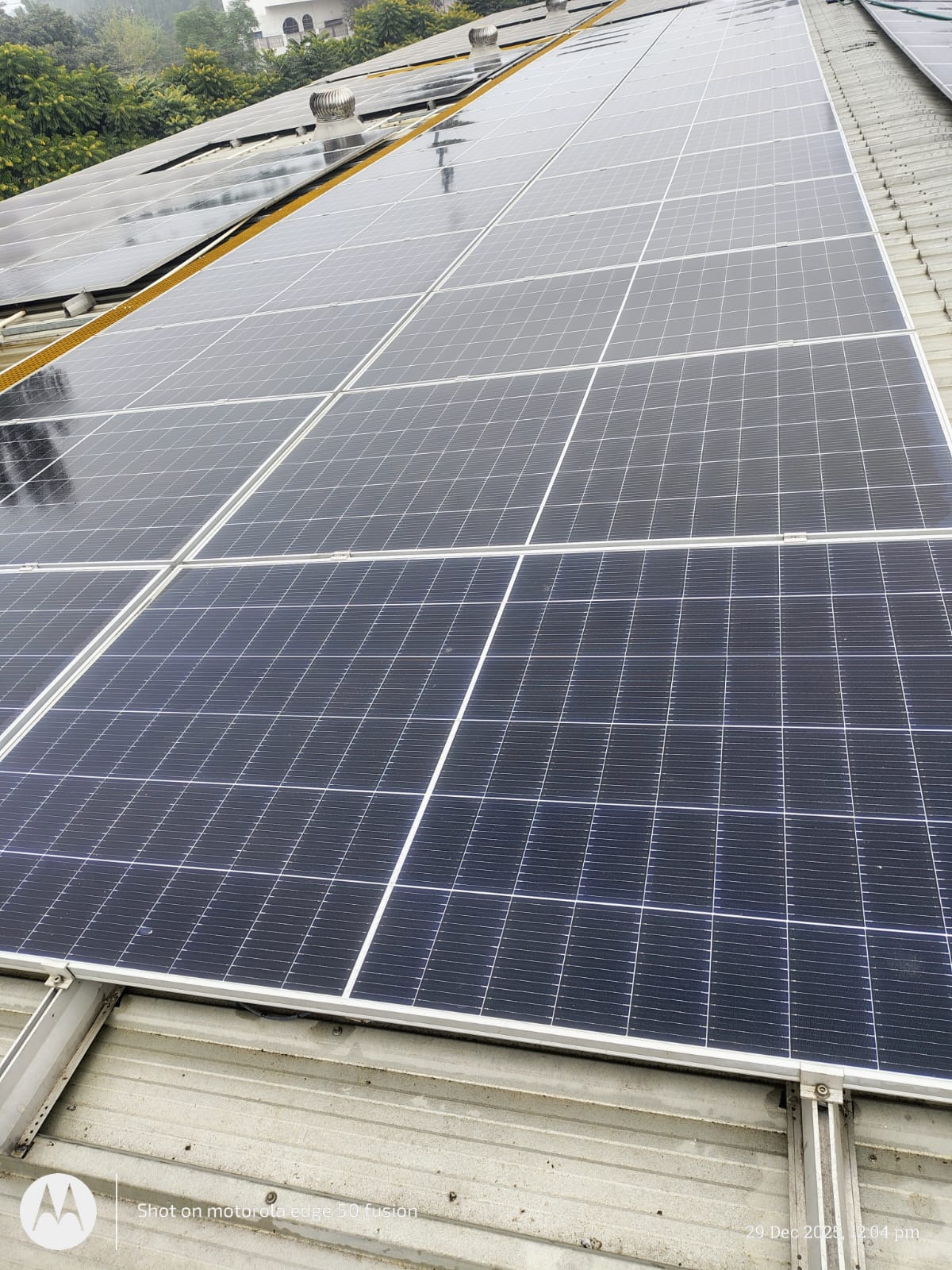
Through an integrated institutional strategy for sustainable energy transformation, the University has achieved a 39% increase in the share of green energy in its total electricity consumption, reflecting measurable progress towards cleaner power. Solar energy integration across all buildings is embedded in the University's Institutional Development Plan, supported by energy-efficiency measures and technological advancements. Focused research and innovation in renewable energy further strengthen its contribution to sustainable energy solutions. Through responsible energy management, renewable energy adoption and continuous infrastructure upgrades, TMU is accelerating its transition towards a low-carbon, energy-efficient and environmentally sustainable campus.
Future Plan for Affordable and Clean Energy
Future Action Plan: SDG 7- Affordable and Clean Energy
Planning period: 2026–27 onwards
| Strategic priority | Proposed future action & Key Focus Areas |
|---|---|
| 1. Strengthen Energy Measurement & Baseline Management |
|
| 2. Improve Energy Efficiency Across Campus |
|
| 3. Expand Renewable Energy |
|
| 4. Develop Smart Energy Infrastructure |
|
| 5. Promote Clean and Sustainable Mobility |
|
| 6. Integrate SDG 7 into Teaching and Learning |
|
| 7. Strengthen Research, Innovation and Entrepreneurship |
|
| 8. Extend Energy Sustainability to the Community |
|
| 9. Establish a Low-Carbon Energy Management Framework |
|
| 10. Strengthen Governance and Accountability |
|
Integrate energy performance review into the University's sustainability and quality-assurance mechanisms.