






Advancing Access, Excellence and Lifelong Learning in Education

Introduction:

Teerthanker Mahaveer University (TMU) is committed to providing inclusive, equitable, and quality education that promotes lifelong learning opportunities for all, in alignment with Sustainable Development Goal 4 (SDG 4): Quality Education. With a diverse portfolio of over 150 academic programmes across multiple disciplines, the University integrates SDG principles into its curriculum to enhance sustainability awareness, social responsibility, and holistic student development.

TMU encourages continuous learning and professional growth through skill-oriented value-added courses, digital learning platforms, and continuing education initiatives. Its faculty members actively contribute to impactful research that addresses contemporary global challenges while encouraging students to develop innovative, practical solutions to real-world problems.

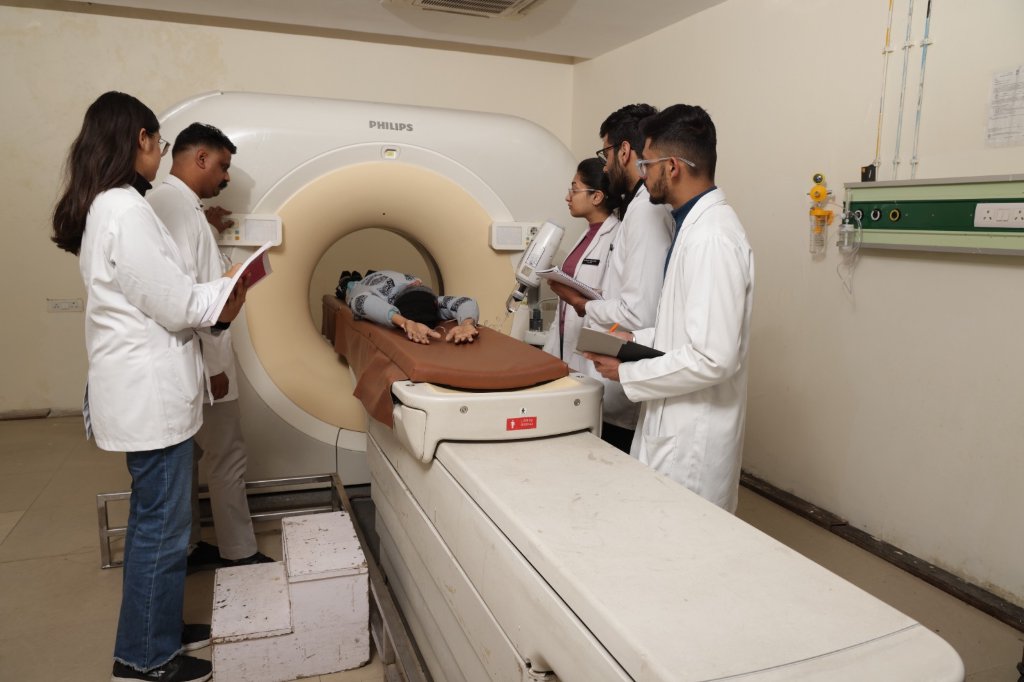
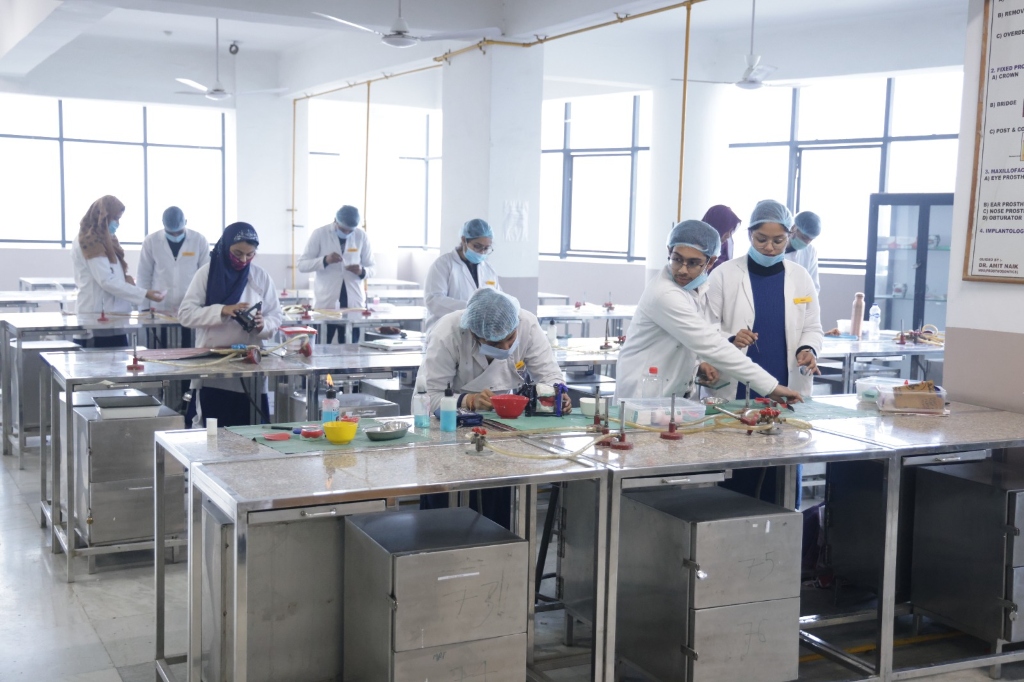
The University further strengthens its educational ecosystem through digitally enabled classrooms, well-equipped laboratories, and modern learning infrastructure that supports effective teaching, research, and experiential learning. Through these initiatives, TMU reinforces its commitment to accessible, inclusive, and high-quality education, empowering learners with the knowledge, skills, and values necessary to contribute to sustainable development and societal progress.
Our Commitment to Change

Teerthanker Mahaveer University (TMU) is dedicated to delivering quality education that is inclusive, equitable, and accessible to all. Offering a wide array of over 150 academic programs across diverse disciplines, TMU integrates the principles of the Sustainable Development Goals (SDGs) into its curriculum to cultivate awareness and social responsibility among students.

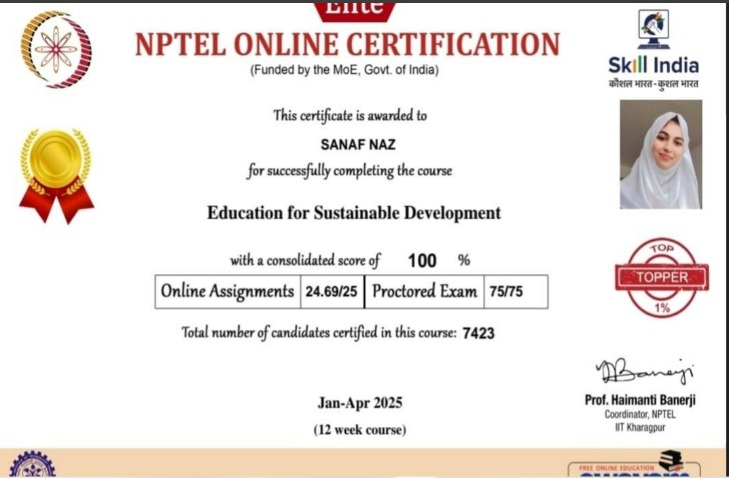
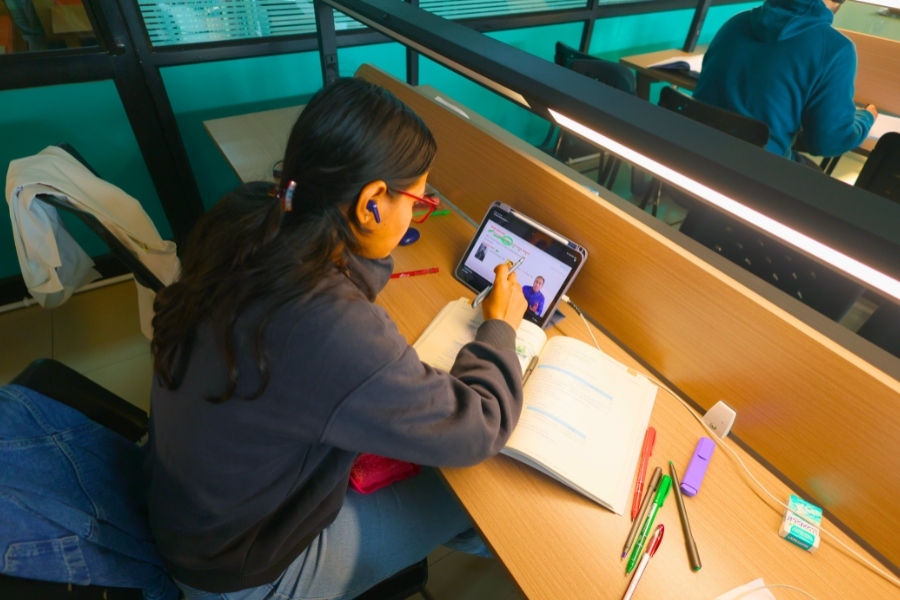
The university promotes lifelong learning through skill-enhancing value-added courses, online learning platforms, and continuing education initiatives that support personal and professional growth. TMU’s faculty members are actively engaged in impactful research, addressing contemporary global challenges and guiding students to innovate practical solutions for real-world issues.

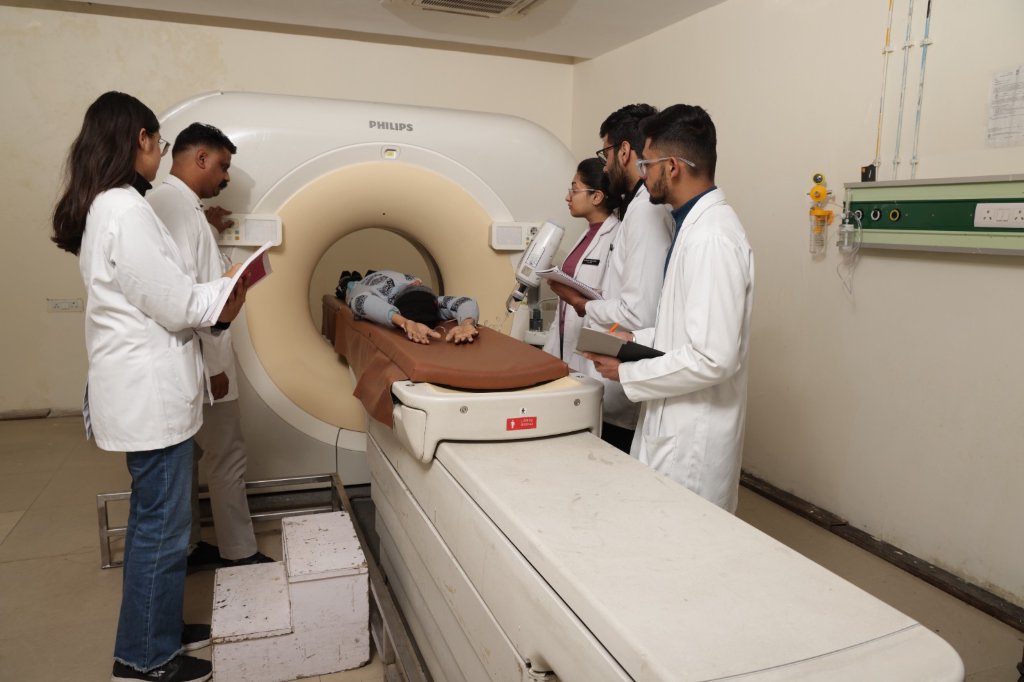
With a strong emphasis on infrastructure, TMU provides digitally enabled classrooms, well-equipped laboratories, and advanced learning environments that foster academic excellence. Through these efforts, TMU aligns its vision with SDG 4, nurturing a knowledge-driven ecosystem that contributes meaningfully to sustainable development and societal advancement.

Future-Oriented Initiatives for Quality Education

We at TMU, aim to further strengthen our contribution to Sustainable Development Goal: Quality Education by promoting inclusive learning, expanding educational accessibility, encouraging lifelong learning, and enhancing academic and professional competencies. Building upon the University's existing initiatives, the following future-oriented initiatives outline its approach towards creating an accessible, innovative, and skill-driven educational ecosystem.

  1. Strengthen Academic Excellence: Continuously enhance the quality of teaching and learning through innovative pedagogical approaches, outcome-based education, multidisciplinary learning, and regular academic development initiatives.
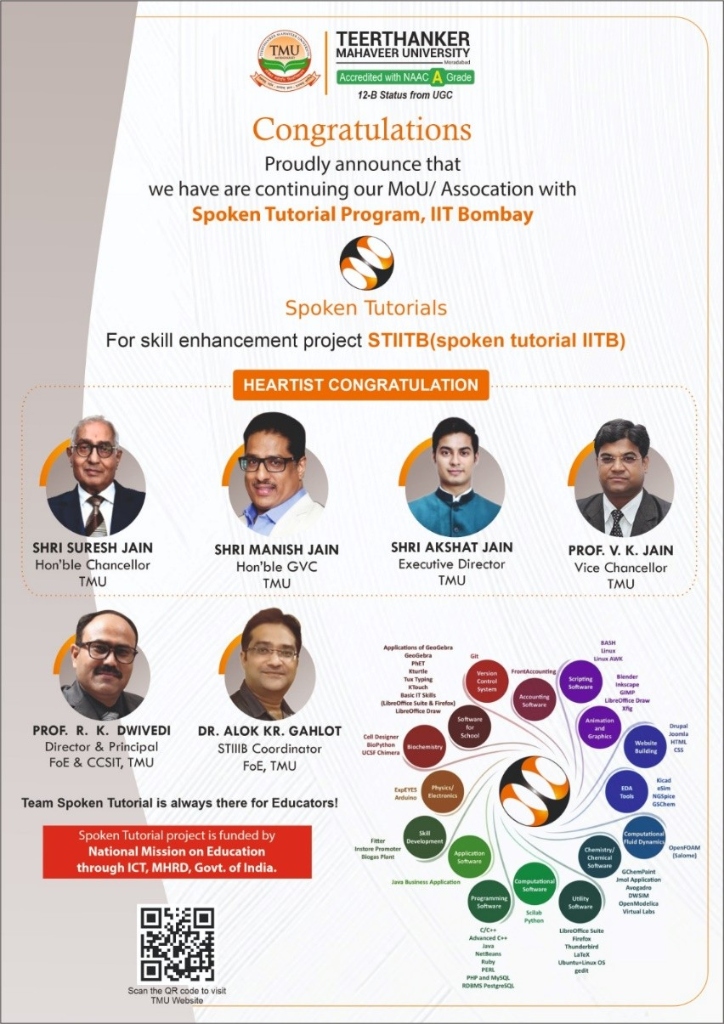
  2. Expand Digital Learning Opportunities: Strengthen technology-enabled education through digital classrooms, online learning platforms, MOOCs, SWAYAM, and IIT Bombay's Spoken Tutorial Programme to facilitate flexible and accessible learning.
  3. Promote Vocational and Skill-Based Training: Expand vocational training programmes, practical workshops, industry-oriented courses, and professional development initiatives to equip students with relevant technical and employability skills.
  4. Strengthen Faculty Development Programmes: Organise regular Faculty Development Programmes (FDPs), capacity-building workshops, research-oriented training, and professional development sessions to improve teaching methodologies and academic competencies.
  5. Expand Educational Outreach Activities: Strengthen community-based educational initiatives by engaging with schools, educational institutions, and underserved communities to promote knowledge sharing, peer teaching, awareness, and inclusive learning opportunities beyond the campus.