




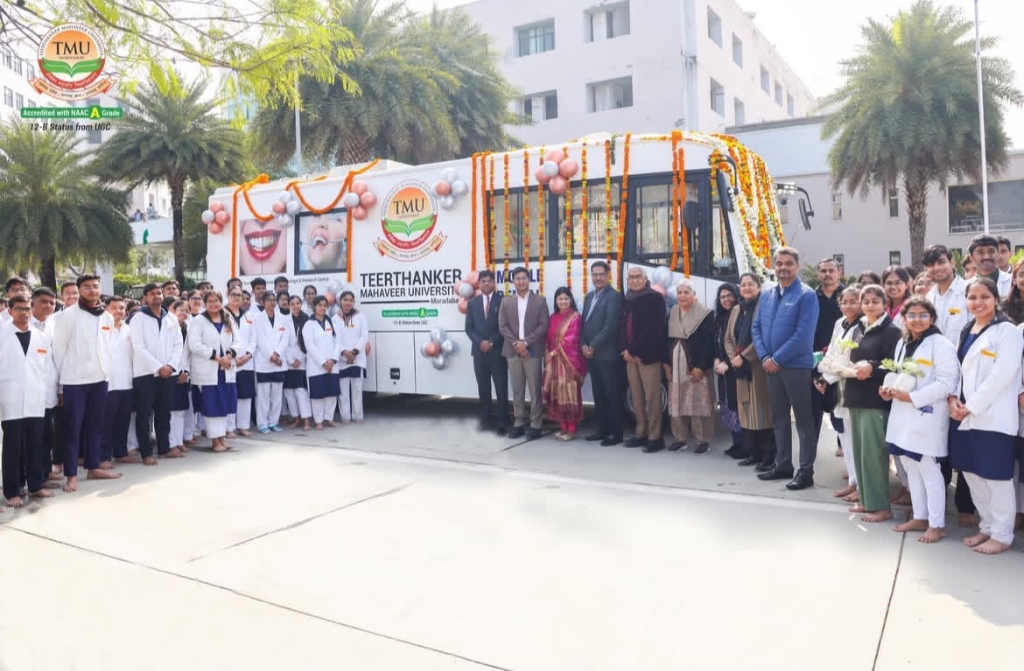

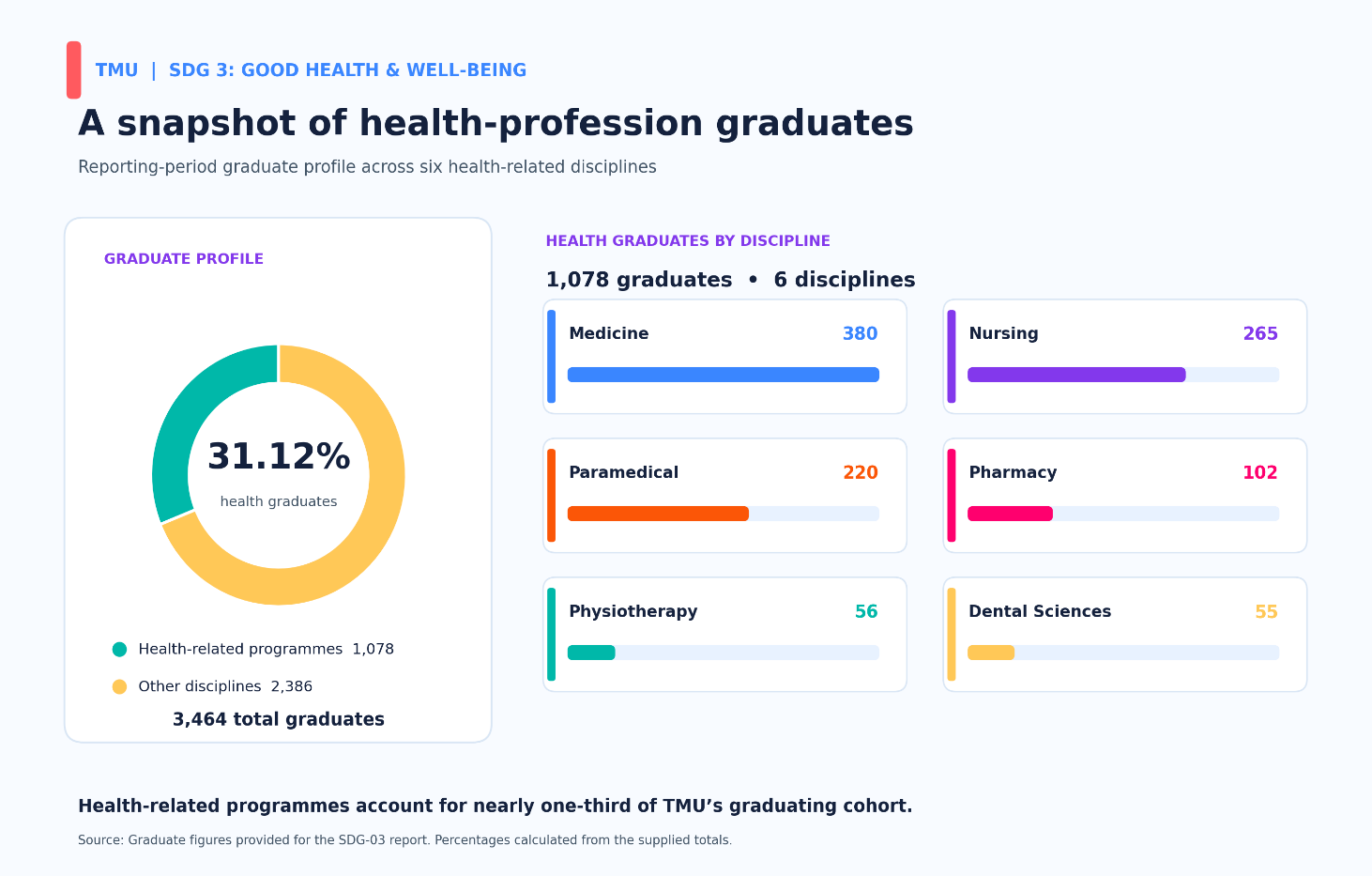



At Teerthanker Mahaveer University (TMU), Moradabad, health and well-being are addressed through health education, clinical services, preventive healthcare, community outreach, and professional training. The University brings together Medical College and Hospital to provide healthcare services and conduct activities that respond to the health needs of students, employees, and people in surrounding communities. Through its medical, dental, nursing, pharmacy, physiotherapy, and allied health disciplines, TMU connects classroom learning with clinical practice, public health education, and community-based services. We at TMU encourage our health professionals to collaborate for advance research and academic practices with other institutions in India and abroad.
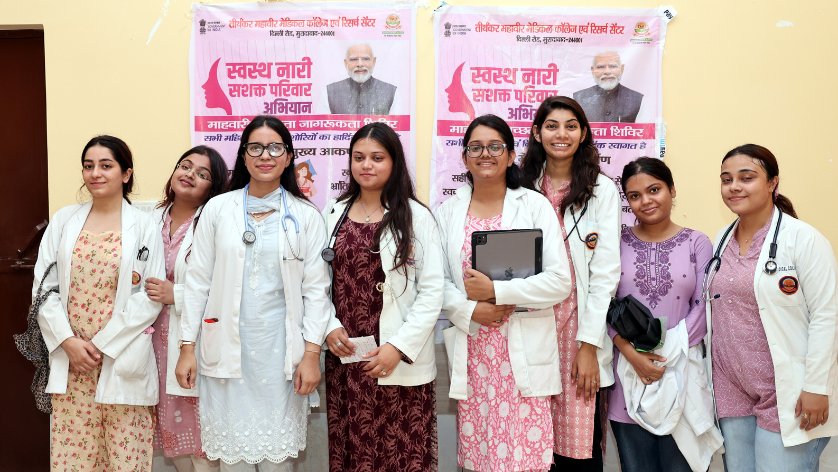
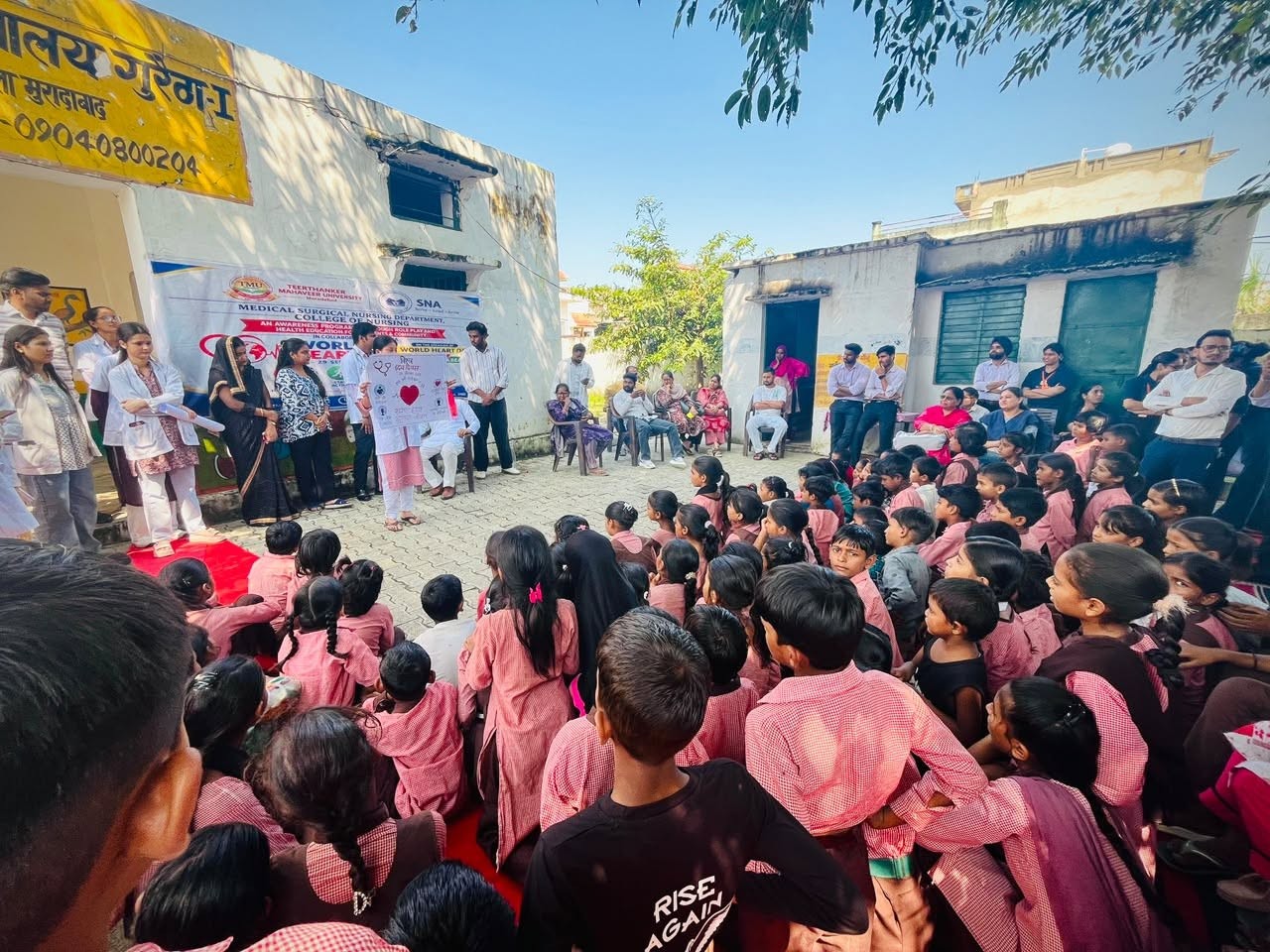
During the reporting period, the University conducted and supported activities addressing several public health concerns, including cancer screening, anaemia detection, immunisation awareness, menstrual hygiene, tuberculosis awareness, oral health, and voluntary blood donation. Health camps and community outreach programmes have provided opportunities for screening, health education, early identification of health problems, and referral for further medical care. These activities also give students practical experience in healthcare delivery and help extend health-related information and services to people in nearby communities.
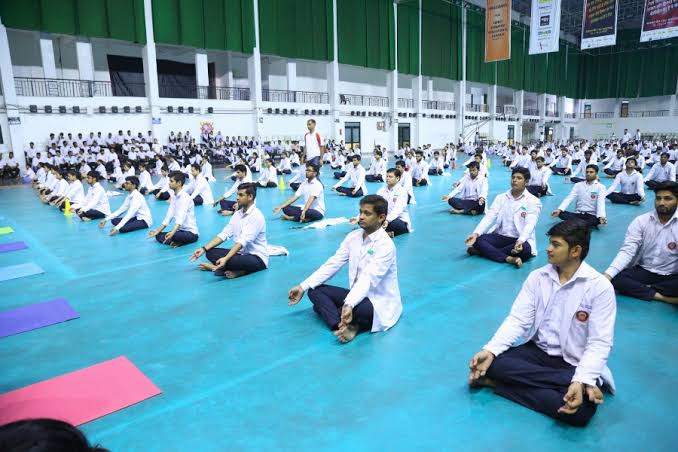
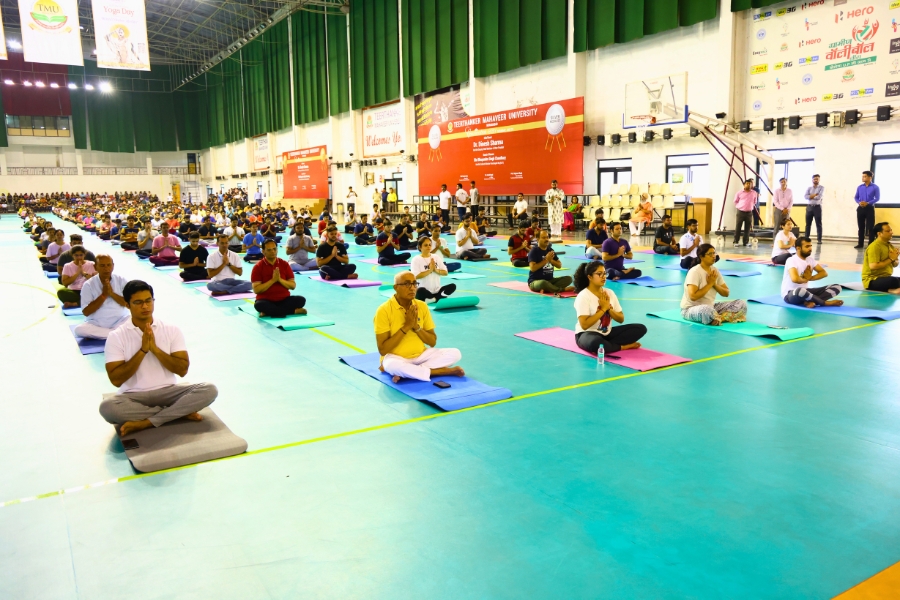
The University addresses the mental health and well-being of its students and staff through the Mental Health and Well-Being Policy, Mental Health and Well-Being Monitoring Committee and Mental Health and Well-Being Centre. The University has appointed a Nodal Officer for the monitoring and reporting of the Mental Health and Well-Being cases. These institutional arrangements provide a framework for mental health awareness, early identification of mental health concerns, psychosocial support, referrals, and monitoring. Other health-related measures include sexual and reproductive healthcare services for students, smoke-free campus practices, sports and physical activity, and student health education, which encourage healthier habits within the university community.
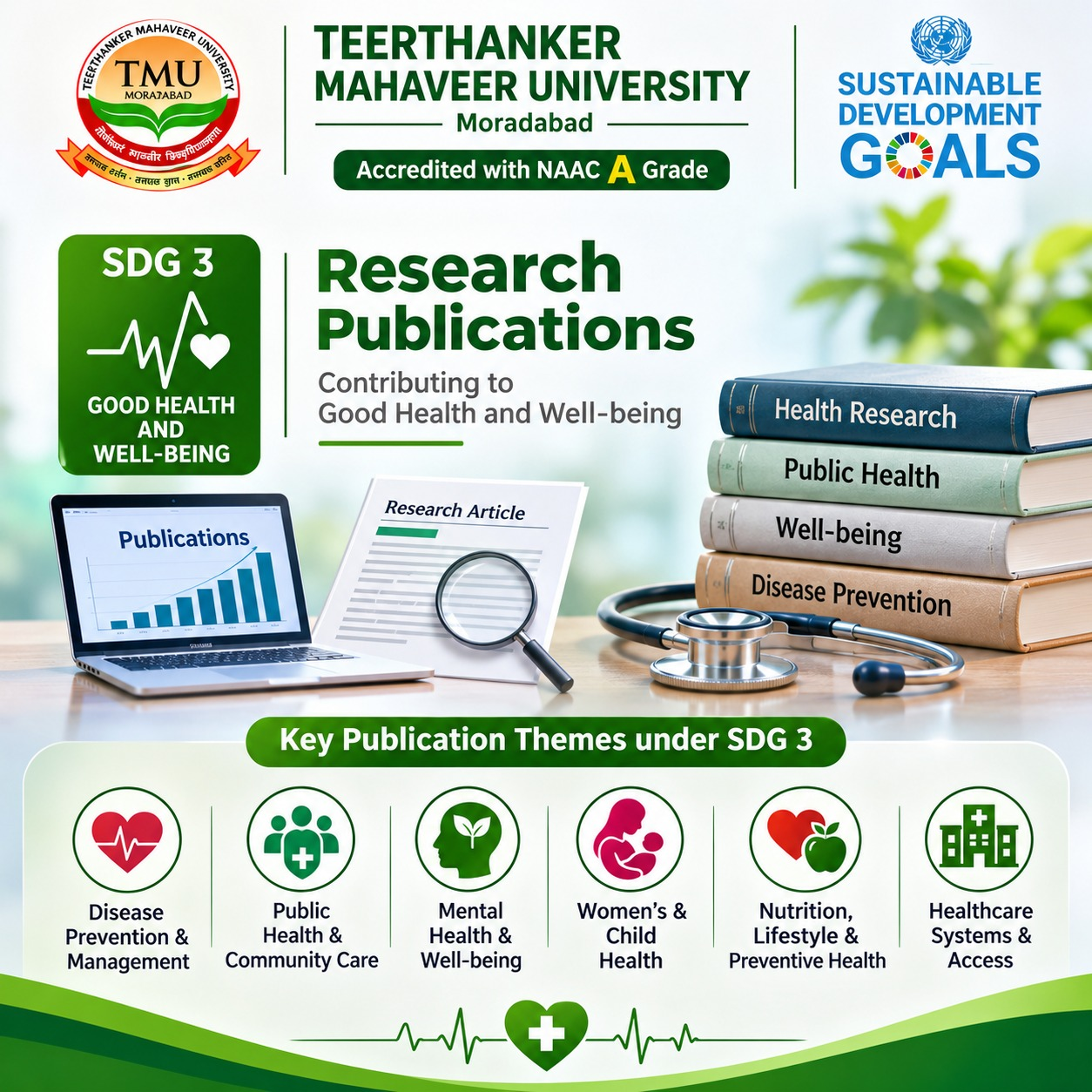
TMU's work under SDG-03 therefore covers healthcare services, disease prevention, community health education, and support for physical and mental well-being. By linking its academic programmes with clinical services and outreach activities, the University seeks to improve access to health information and care while addressing the health needs of its students, employees, and surrounding communities.
Institutional Recognitions & Quality Certifications
Teerthanker Mahaveer University has been honoured with the prestigious QS I-GAUGE Institution of Happiness Award for 2025–26. Further strengthening its commitment to mental health and well-being, the University has also secured the Platinum Band in the R-World Mental Health and Well-Being (MHW) Ranking 2025–26. TMU has been awarded ISO 45001:2018 Certification, demonstrating its commitment to maintaining a safe and healthy working environment for students, faculty, staff, and other stakeholders.
These recognitions reflect TMU’s sustained commitment, promoting a positive, inclusive, supportive, and holistic campus environment that promotes happiness, mental health and well-being, and overall quality of life.

