




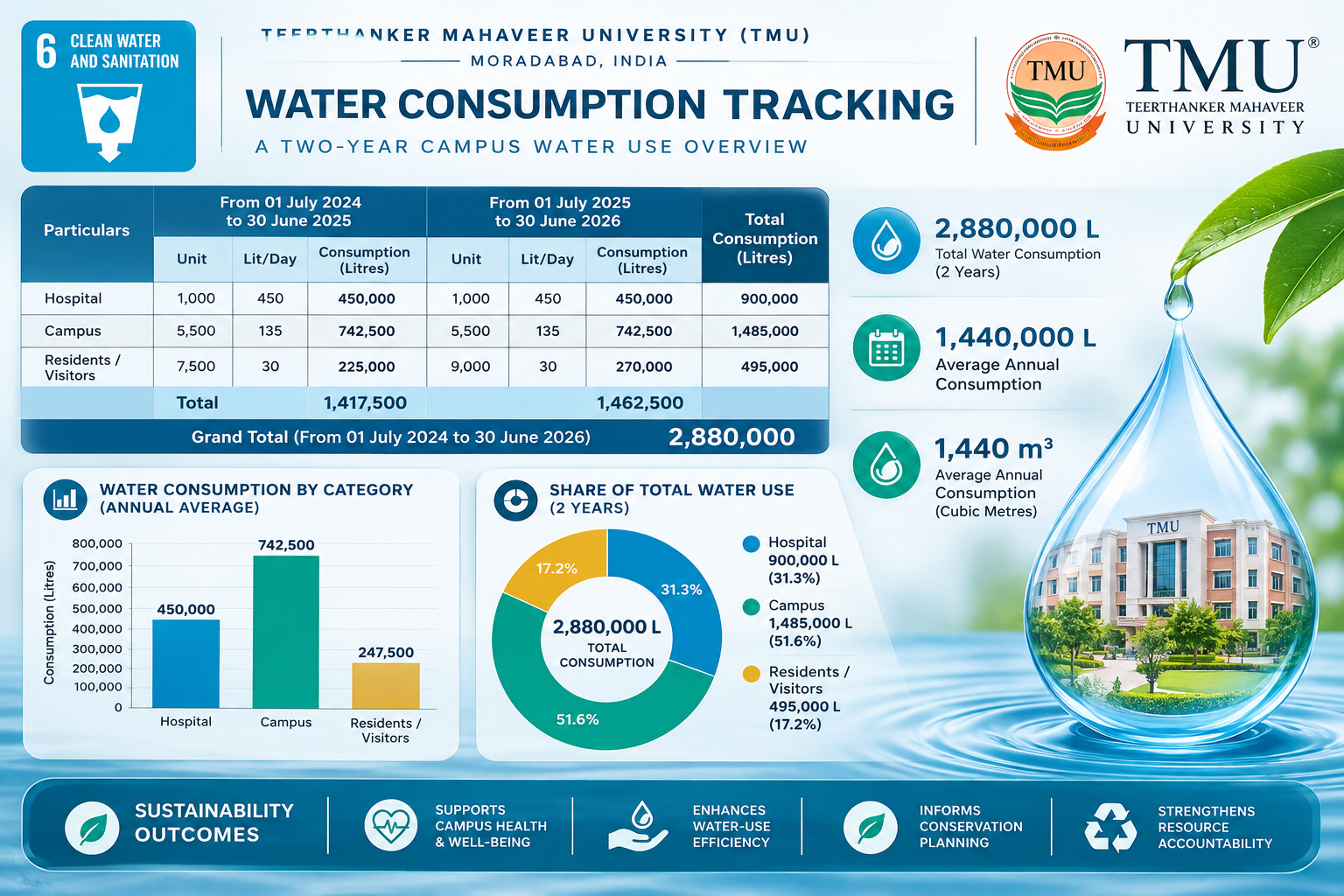
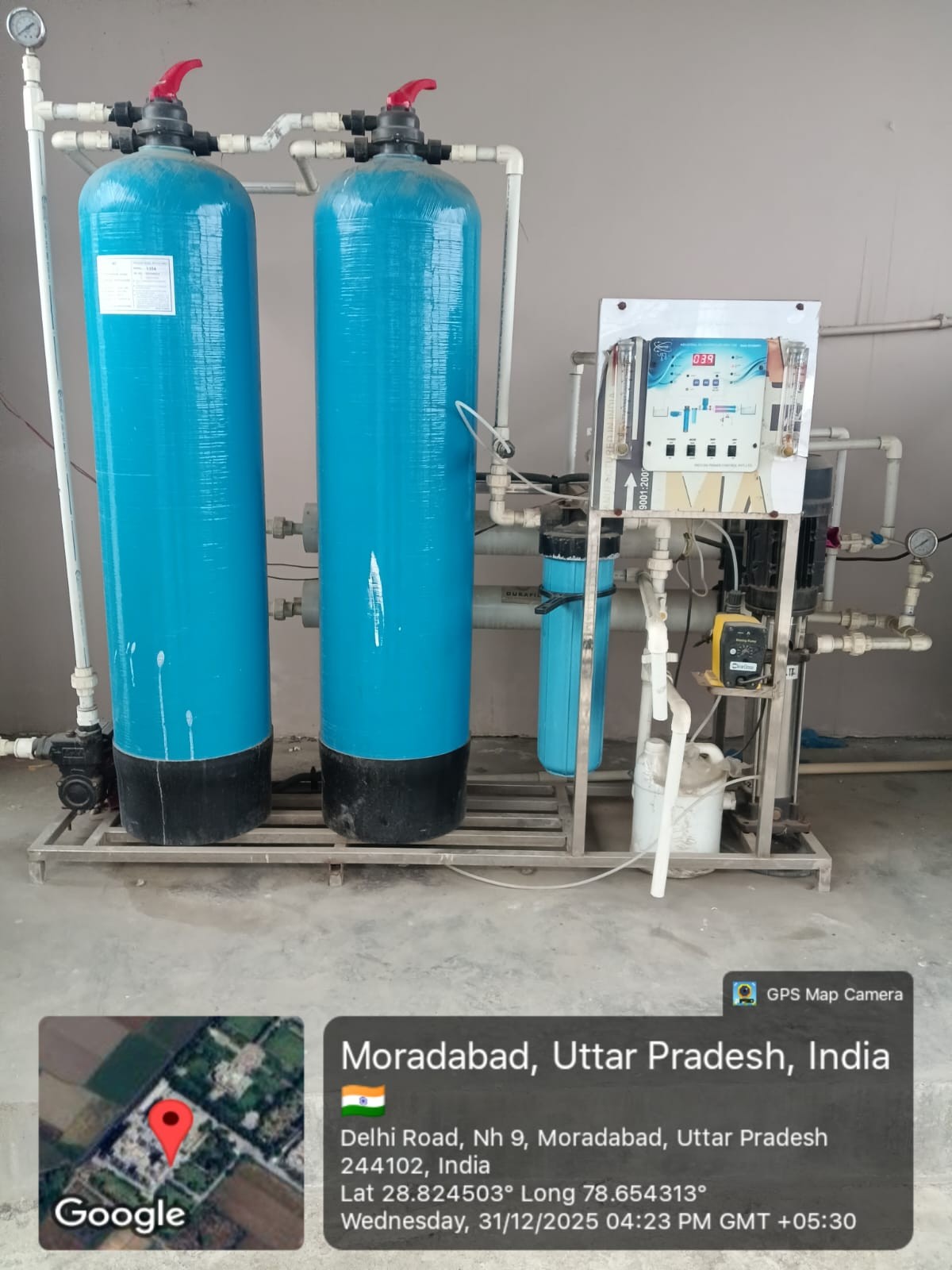
TMU is continuously working towards Clean Water and Sanitation through an integrated approach combining water conservation infrastructure, wastewater treatment, rainwater harvesting, efficient irrigation, responsible water reuse, responsible water management, safe sanitation, water conservation, sustainable development and community engagement. Its water-management framework connects campus operations with environmental protection, sustainability education and outreach to farmers, promoting the responsible use of water as a shared resource.
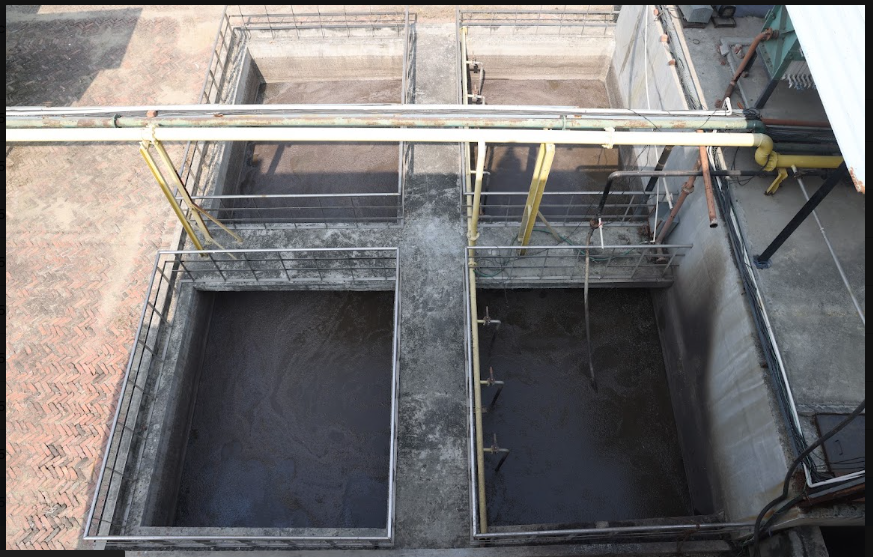
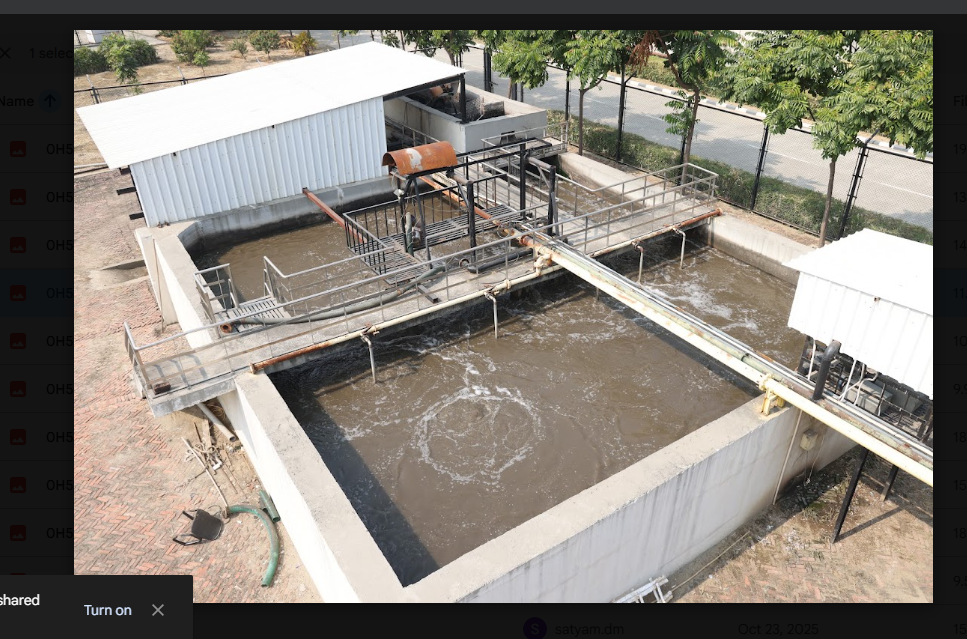
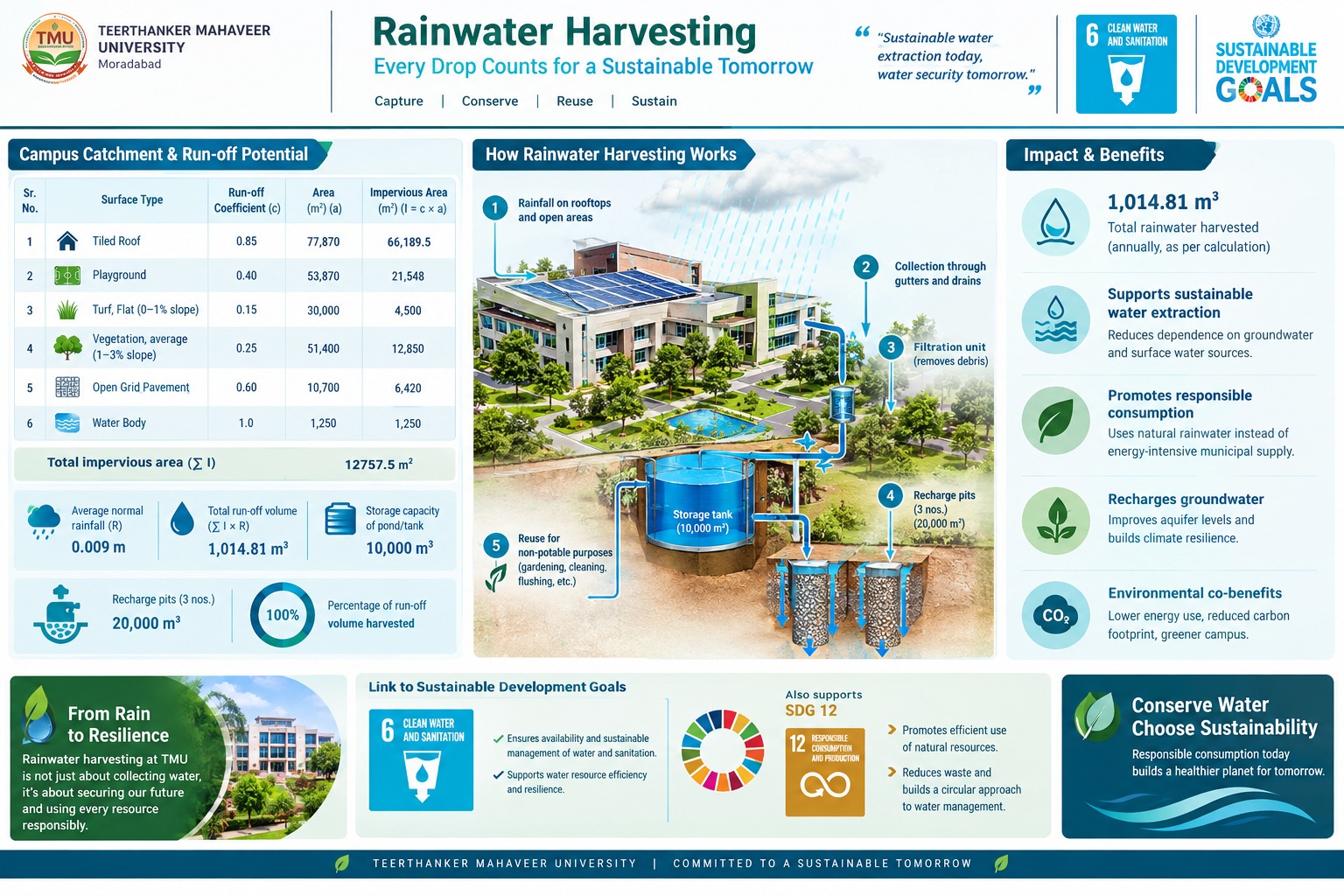
TMU’s infrastructure includes a 1.5 MLD Sewage Treatment Plant (STP), a 200 KLD Effluent Treatment Plant (ETP) and a rainwater-harvesting lake with a capacity of 1 crore litres. Supported by water-reuse practices, sprinkler irrigation and awareness initiatives, these measures provide a foundation for reducing freshwater demand, improving wastewater management and strengthening water conservation across campus and surrounding communities.
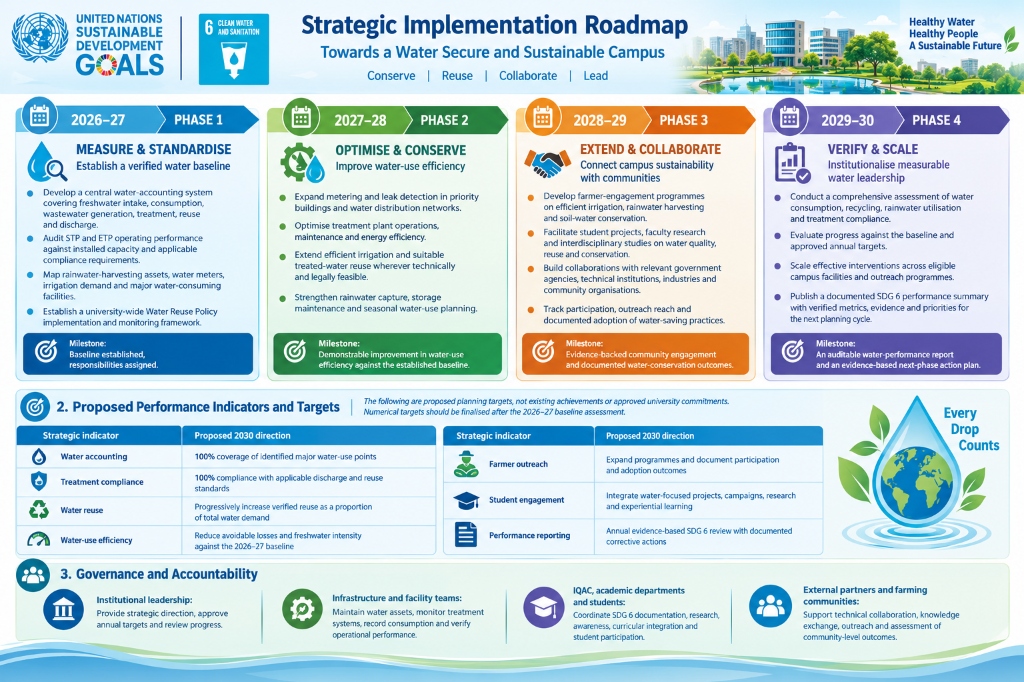
Click on the roadmap infographic to view high-resolution full size
TMU's Water Sustainability Framework
1. Wastewater Treatment and Resource Recovery
1.5 MLD STP | 200 KLD ETPThe Sewage Treatment Plant and Effluent Treatment Plant support the treatment of domestic sewage and relevant effluent streams, respectively. These facilities provide the infrastructure for improved wastewater management and, where treated water meets applicable standards, safe reuse for suitable non-potable purposes.
2. Rainwater Harvesting and Water Security
1 Crore Litres | 10M Litre LakeTMU's rainwater-harvesting infrastructure provides a significant water-storage resource to support rainwater conservation and strengthen local water resilience through integrated rooftop catchments, percolation ponds, and dedicated groundwater recharging wells.
3. Water Reuse and Efficient Irrigation
Water Reuse Policy | SprinklersTMU promotes responsible water use through a water-reuse approach and efficient irrigation practices. Sprinkler irrigation can improve the control of water application in appropriate settings, while suitable treated wastewater supports landscaping and other permitted non-potable applications.
4. Community Outreach and Farmer Engagement
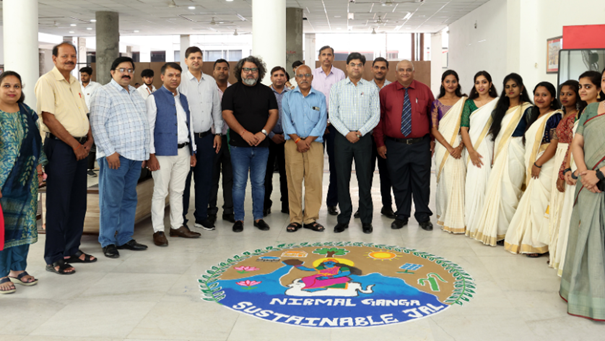
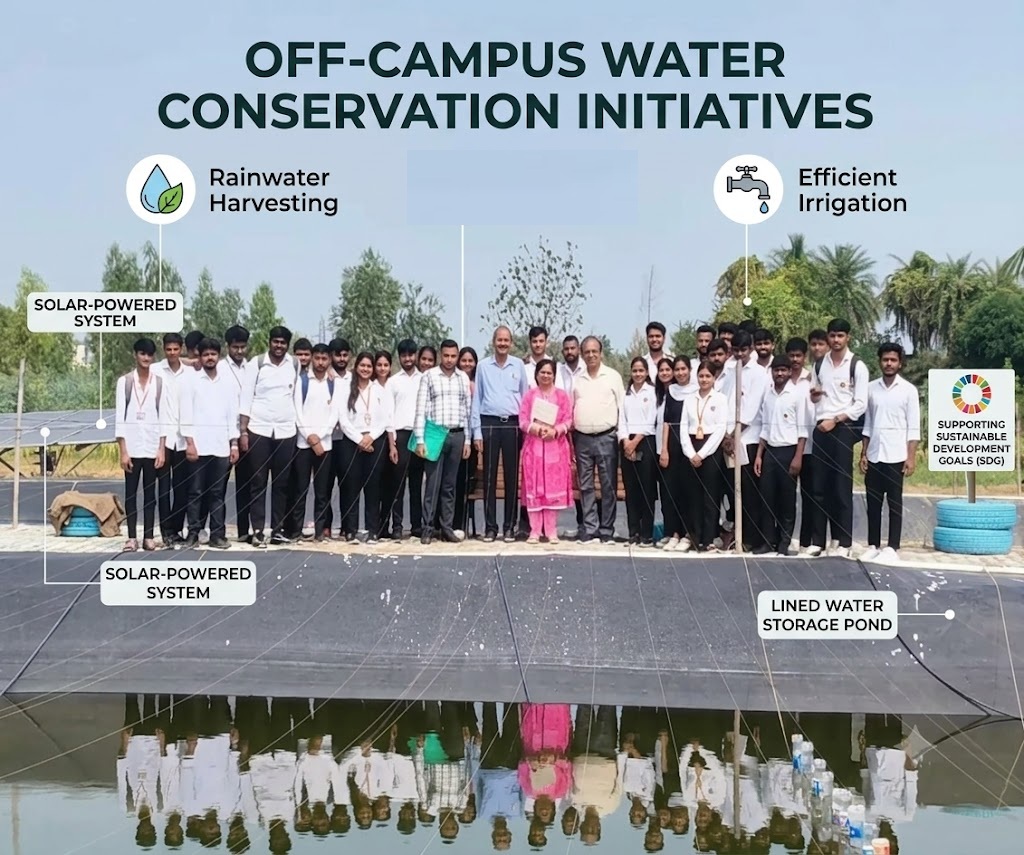
Knowledge Sharing | OutreachThrough outreach activities, awareness programmes and engagement with farmers, TMU extends water-conscious practices beyond the university campus. Knowledge sharing on efficient irrigation, rainwater harvesting and responsible water use helps connect institutional sustainability with agricultural and community needs.
5. Education, Student Participation and Collaboration
Learning | Research | ActionAcademic activities, student participation, environmental awareness campaigns and collaborative initiatives translate SDG 6 principles into practical water leadership. Linking classroom learning with campus infrastructure and community engagement strengthens sustainability awareness and encourages responsible water behaviour.
TMU SDG 6: Future Roadmap 2026–2030
Clean Water and Sanitation | From Infrastructure to Measurable Impact
Strategic Vision: To advance TMU's journey toward a water-sustainable campus through measurable conservation, efficient treatment, safe reuse, climate resilience, research and community participation, contributing to the United Nations Sustainable Development Goal 6.
The roadmap will guide the enhancement and upgrade of TMU's existing 1.5 MLD STP, 200 KLD ETP, 1-crore-litre lake, rainwater-harvesting infrastructure, water-reuse practices and sprinkler irrigation, with a focus on operational performance, verified outcomes and continuous improvement.
1. Strategic Implementation Roadmap
Measure & Standardise
Goal: Establish a verified water baseline
- Develop a central water-accounting system covering freshwater intake, consumption, wastewater generation, treatment, reuse and discharge.
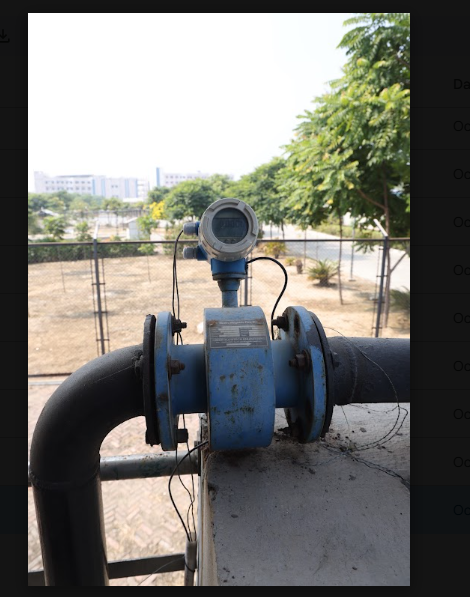
- Audit STP and ETP operating performance against installed capacity and applicable compliance requirements.
- Map rainwater-harvesting assets, water meters, irrigation demand and major water-consuming facilities.
- Establish a university-wide Water Reuse Policy implementation and monitoring framework.
Optimise & Conserve
Goal: Improve water-use efficiency
- Expand metering and leak detection in priority buildings and water distribution networks.
- Optimise treatment plant operations, maintenance and energy efficiency.
- Extend efficient irrigation and suitable treated-water reuse wherever technically and legally feasible.
- Strengthen rainwater capture, storage maintenance and seasonal water-use planning.
Extend & Collaborate
Goal: Connect campus sustainability with communities
- Develop farmer-engagement programmes on efficient irrigation, rainwater harvesting and soil-water conservation.
- Facilitate student projects, faculty research and interdisciplinary studies on water quality, reuse and conservation.
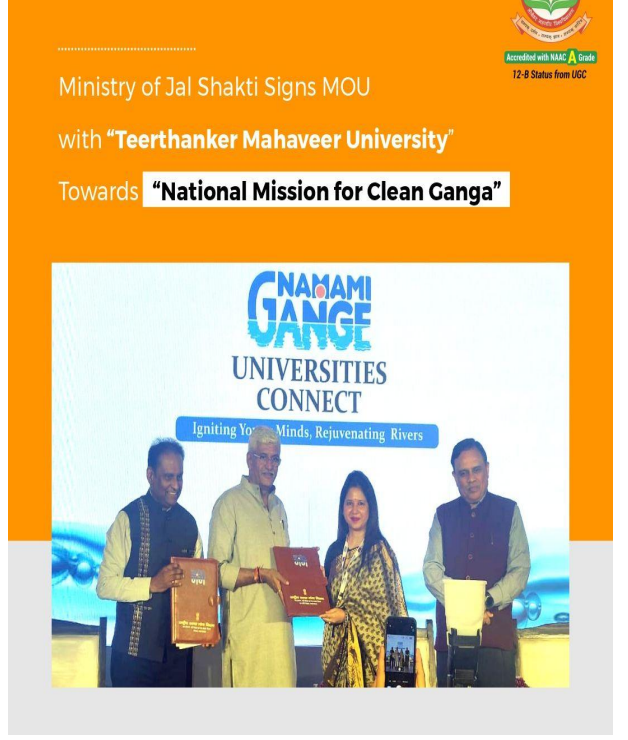
- Build collaborations with relevant government agencies, technical institutions, industries and community organisations.
- Track participation, outreach reach and documented adoption of water-saving practices.
Verify & Scale
Goal: Institutionalise measurable water leadership
- Conduct a comprehensive assessment of water consumption, recycling, rainwater utilisation and treatment compliance.
- Evaluate progress against the baseline and approved annual targets.
- Scale effective interventions across eligible campus facilities and outreach programmes.
- Publish a documented SDG 6 performance summary with verified metrics, evidence and priorities for the next planning cycle.
2. Proposed Performance Indicators and Targets
The following are proposed planning targets, not existing achievements or approved university commitments. Numerical targets should be finalised after the 2026–27 baseline assessment.
| Strategic Indicator | Proposed 2030 Direction |
|---|---|
| Water accounting | 100% coverage of identified major water-use points |
| Treatment compliance | 100% compliance with applicable discharge and reuse standards |
| Water reuse | Progressively increase verified reuse as a proportion of total water demand |
| Water-use efficiency | Reduce avoidable losses and freshwater intensity against the 2026–27 baseline |
| Strategic Indicator | Proposed 2030 Direction |
|---|---|
| Farmer outreach | Expand programmes and document participation and adoption outcomes |
| Student engagement | Integrate water-focused projects, campaigns, research and experiential learning |
| Performance reporting | Annual evidence-based SDG 6 review with documented corrective actions |
| Every Drop Counts — Sustainable Water Stewardship | |
3. Governance and Accountability
Institutional leadership
Provide strategic direction, approve annual targets and review progress.
Infrastructure and facility teams
Maintain water assets, monitor treatment systems, record consumption and verify operational performance.
IQAC, academic departments and students
Coordinate SDG 6 documentation, research, awareness, curricular integration and student participation.
External partners and farming communities
Support technical collaboration, knowledge exchange, outreach and assessment of community-level outcomes.