


SDG 14: Life Below Water

Protecting Aquatic Ecosystems Through Conservation and Responsible Practices

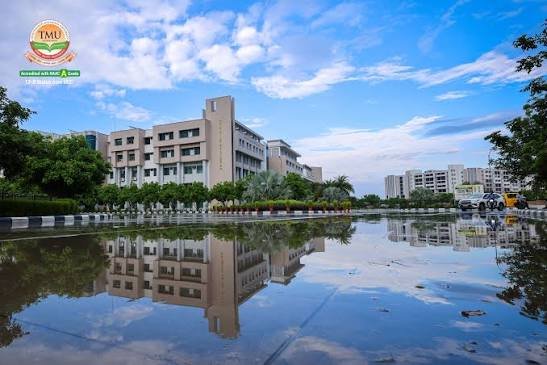
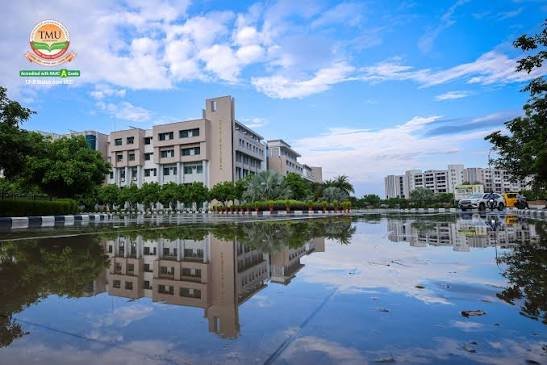
The conservation of aquatic ecosystems is fundamental to maintaining ecological balance, protecting biodiversity and ensuring the long-term sustainability of freshwater and marine resources. SDG 14 — Life Below Water, calls for the conservation and sustainable use of aquatic resources by addressing water pollution, ecosystem degradation and unsustainable resource utilization. Recognizing the interdependence of terrestrial and aquatic environments, TMU integrates aquatic ecosystem protection into its institutional policies, environmental infrastructure, academic programmes and community engagement initiatives.

TMU adopts a preventive and resource-conscious approach to aquatic ecosystem conservation through systematic wastewater management, supported by Sewage Treatment Plants (STPs), Effluent Treatment Plants (ETPs) and its Zero Liquid Discharge (ZLD) commitment. These interventions aim to prevent untreated wastewater from contaminating natural water bodies, promote wastewater treatment and facilitate the responsible reuse of treated water for non-potable applications. Institutional water management practices further strengthen pollution prevention and reduce pressure on freshwater resources.

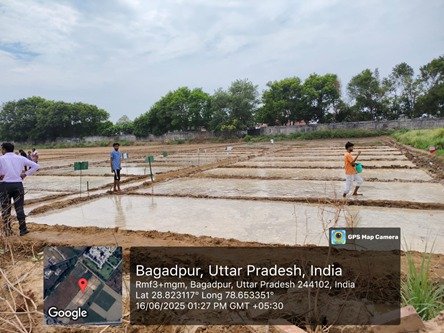
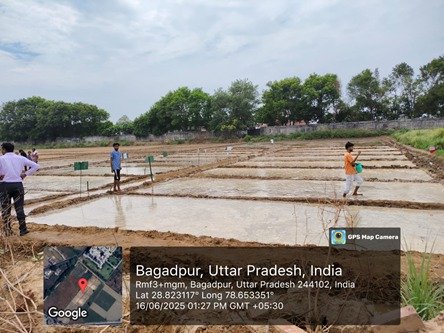
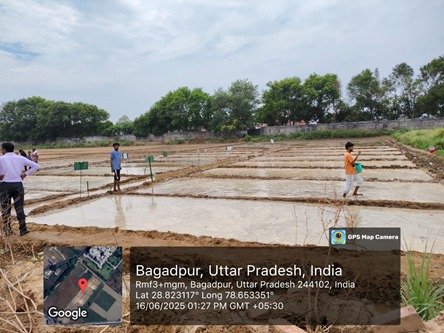
Beyond campus infrastructure, the University extends its commitment through community outreach, environmental awareness and interdisciplinary academic engagement. The College of Agriculture Sciences promotes sustainable agricultural practices, responsible water utilization and awareness of water-related ecological challenges, while the College of Engineering and other relevant academic departments contribute through civil engineering perspectives, environmental technologies, wastewater management and pollution-control initiatives. Student participation, awareness programmes and NSS led community-based activities reinforce the importance of protecting aquatic habitats and preventing water contamination.

Through its environmental policies, wastewater treatment infrastructure, resource-reuse practices and collaborative academic initiatives, TMU seeks to translate SDG 14 from a global sustainability commitment into measurable institutional action. By connecting responsible water management on campus with ecological awareness and community participation, the University strengthens its contribution towards healthier aquatic ecosystems, pollution prevention and the sustainable protection of Life Below Water.

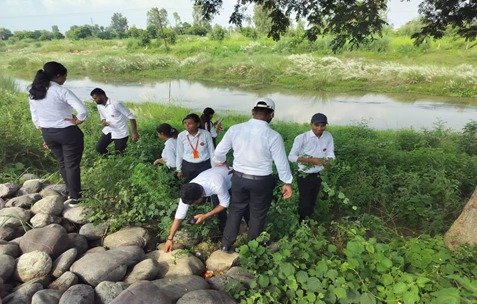
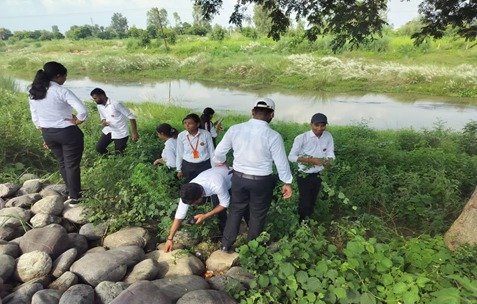
Clean Ramganga Campaign — Swachhta Hi Seva

Aquatic Ecosystems & Environmental Research

Future Plan For SDG 14: Life Below Water

The future plan builds on TMU’s documented initiatives in freshwater ecosystem protection, single-use plastic reduction, treated wastewater recycling, water-quality monitoring, and community river-cleanup campaigns. Recognising the vital hydrological linkage between inland waterways, river basins, and downstream marine ecosystems, the University prioritises practical, science-backed interventions across education, research, water governance, and collaborative stewardship.

Strategic Future Action Plan

Institutional Roadmap: 2027–2030

Metric & Focus Area Strategic Future Actions & Key Interventions
I. Community Awareness and Outreach
14.2.1 Freshwater Ecosystems
  • Organise awareness campaigns on river, lake, pond and wetland conservation.
  • Engage students and local communities in freshwater protection and biodiversity awareness.
  • Conduct periodic visits and documentation of nearby freshwater ecosystems.
14.2.2 Sustainable Fisheries
  • Organise expert lectures on sustainable fisheries and responsible aquaculture.
  • Collaborate with fisheries departments and academic institutions for knowledge-sharing activities.
  • Promote awareness of indigenous fish species and sustainable aquatic food practices.
14.2.3 Overfishing
  • Conduct awareness programmes on overfishing, illegal fishing and aquatic biodiversity loss.
  • Promote responsible fish consumption and protection of threatened aquatic species.
  • Disseminate information on sustainable fishing regulations and seasonal restrictions.
II. Conservation, Research and Innovation
14.3.1 Ocean Conservation Events
  • Observe World Oceans Day through seminars, expert lectures, poster competitions and awareness campaigns.
  • Organise virtual interactions with marine scientists and coastal conservation organisations.
14.3.2 Food from Aquatic Ecosystems
  • Develop responsible aquatic food procurement guidelines, where institutional procurement is applicable.
  • Encourage traceable and legally sourced fish and aquatic food products.
  • Promote awareness of sustainable aquaculture and aquatic food security.
14.3.3 Aquatic Biodiversity Conservation
  • Undertake biodiversity documentation of selected local ponds, wetlands and freshwater habitats.
  • Organise native vegetation plantation and freshwater habitat cleanliness initiatives where ecologically appropriate.
  • Encourage student and faculty research on aquatic biodiversity conservation.
14.3.4 Technology for Ecosystem Protection
  • Utilise available laboratory facilities for periodic water-quality assessment.
  • Encourage GIS-based mapping and digital documentation of selected water bodies.
  • Promote student research projects on wastewater treatment, microplastics and aquatic pollution prevention.
III. Pollution Prevention and Water Governance
14.4.1 Water Discharge Guidelines and Standards
  • Ensure wastewater treatment and discharge comply with applicable CPCB/SPCB standards and statutory requirements.
  • Conduct periodic STP/ETP performance assessments and treated wastewater quality testing.
  • Strengthen treated wastewater reuse for horticulture and other permissible non-potable purposes.
14.4.2 Action Plan to Reduce Plastic Waste
  • Gradually reduce single-use plastics across campus, hostels, cafeterias and institutional events.
  • Promote reusable alternatives, waste segregation and authorised plastic recycling.
  • Conduct annual plastic waste audits to measure consumption and reduction.
  • Target a 30% reduction in avoidable single-use plastic by 2030 against the 2026–27 baseline.
14.4.3 Reducing Marine Pollution
  • Strengthen institutional controls on plastic waste, chemical disposal and wastewater management.
  • Develop awareness initiatives on the connection between inland waste pollution, rivers and marine ecosystems.
  • Promote responsible disposal practices to prevent pollutants from entering natural drainage systems.
IV. Ecosystem Monitoring and Collaborative Stewardship
14.5.1 Minimising Alteration of Aquatic Ecosystems
  • Incorporate aquatic ecosystem considerations into relevant campus infrastructure planning.
  • Protect existing natural drainage channels and water-retention areas.
  • Promote rainwater harvesting and sustainable storm water management.
14.5.2 Monitoring Aquatic Ecosystem Health
  • Undertake periodic water-quality monitoring of selected freshwater bodies.
  • Document parameters such as pH, dissolved oxygen, turbidity and other relevant indicators.
  • Maintain digital records of monitoring results and identified environmental concerns.
14.5.3 Good Aquatic Stewardship Practices
  • Integrate aquatic conservation activities into NSS, student clubs and environmental awareness programmes.
  • Organise water-body cleanliness and freshwater conservation campaigns in coordination with local authorities.
  • Encourage student participation in responsible water and biodiversity stewardship.
14.5.4 Collaboration for Shared Aquatic Ecosystems
  • Develop collaborations with environmental NGOs, local authorities, fisheries departments and academic institutions.
  • Participate in joint awareness, research and freshwater conservation initiatives.
  • Facilitate expert lectures and knowledge-sharing programmes on aquatic ecosystem protection.
14.5.5 Watershed Management Strategy
  • Prepare an institutional watershed management framework focusing on rainwater harvesting, groundwater recharge and surface runoff management.
  • Map campus drainage and water-retention features.
  • Promote soil erosion prevention, catchment protection and community awareness on watershed conservation.

2. Implementation and Monitoring

Period Key Institutional Priority
2027 Baseline assessment, policy development and stakeholder identification
2028 Implementation of awareness, plastic reduction and monitoring initiatives
2029 Expansion of conservation projects and collaborative research
2030 Impact assessment, evidence documentation and programme continuity

Our Commitment

The University is committed to advancing SDG 14 through practical, locally relevant and scientifically supported interventions. By prioritising freshwater ecosystem protection, responsible waste management, pollution prevention, environmental education and collaborative research, the University aims to strengthen its contribution to the conservation of aquatic biodiversity and the sustainable management of water resources.