




7.2.5 Energy Waste Identification
Continuous Energy-Performance Management & Loss Elimination
TMU integrates energy-waste identification as a continuous energy-performance management process rather than a one-time conservation exercise. We review electricity-intensive infrastructure, utility systems and operating practices to identify sources of avoidable energy loss and then prioritise corrective interventions based on technical feasibility, operational relevance and potential for efficiency improvement.
Priority Energy-Waste Sources Identified
Targeted technical reviews identified two major recurring utility areas where targeted engineering interventions yield immediate, sustained efficiency improvements:
Transformer & Distribution-System Losses
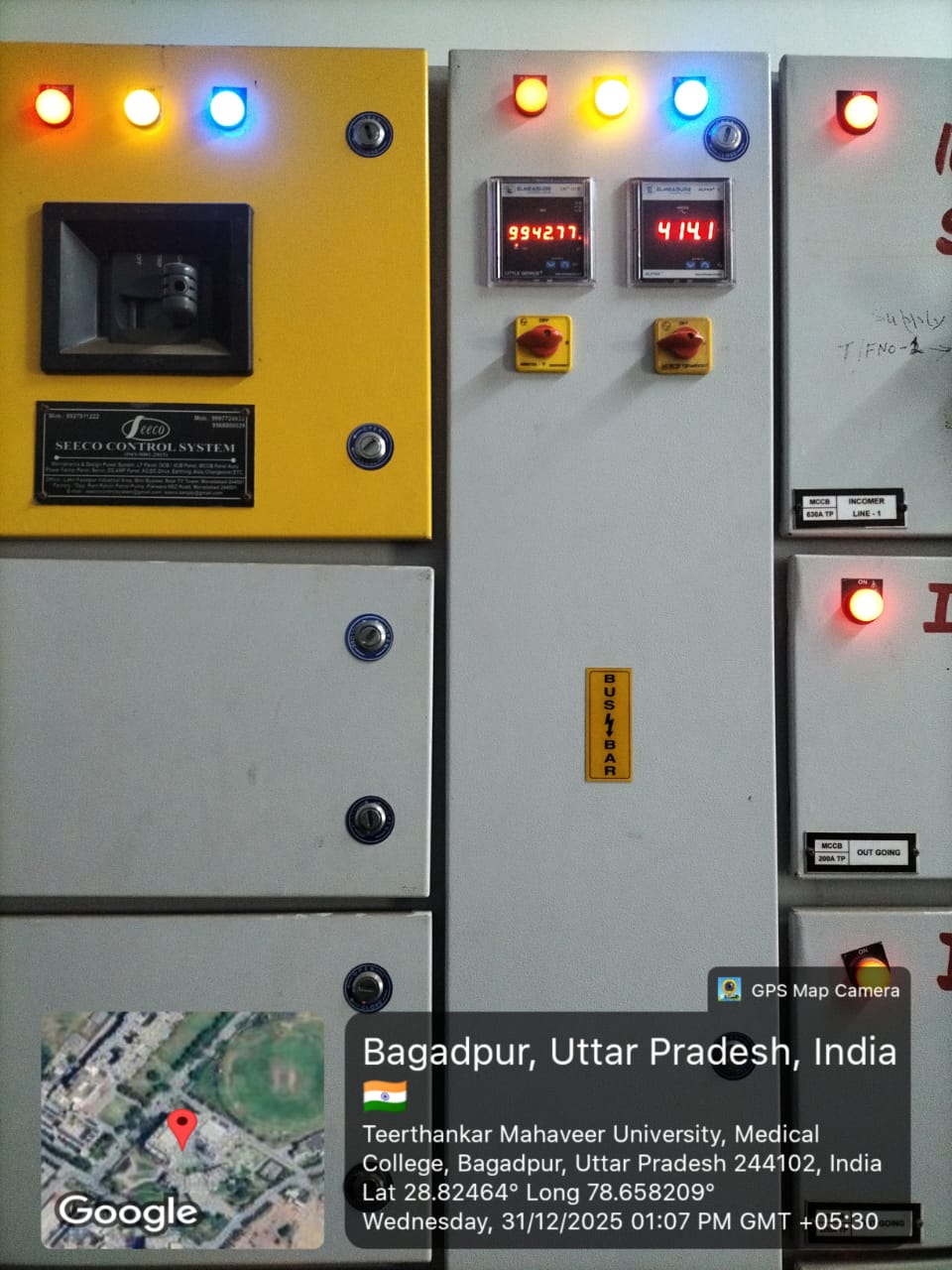
Review of our electrical distribution infrastructure identified reactive power demand as an area requiring efficiency improvement. Reactive power does not perform useful work but increases current flow within the electrical system and can contribute to avoidable distribution losses. To address this, power-factor correction capacitors were installed, supporting an operating power factor of approximately 0.99.
The intervention improves electrical power utilisation by:
- Reducing reactive-power demand
- Improving power-factor performance to ~0.99
- Reducing unnecessary current flow in feeders
- Supporting lower electrical distribution losses
- Improving the overall efficiency of the campus electrical network
Induction-Motor-Driven Pumping Systems
Domestic pumping systems were identified as another area with potential for energy optimisation because pumping operations represent a recurring electricity demand across institutional facilities. TMU subsequently replaced conventional induction-motor-based arrangements in domestic pump houses with more energy-efficient pumping solutions.
The intervention improves water-supply energy efficiency by:
- Reducing unnecessary motor energy consumption
- Improving pumping-system efficiency across domestic pump houses
- Reducing energy demand associated with routine water movement
- Supporting more efficient utility and sanitation operations
- Strengthening the integration of energy efficiency into campus infrastructure management
Beyond Equipment: Campus-Wide Energy-Waste Identification Framework
Our approach extends beyond individual equipment upgrades. Energy use is reviewed systematically across six comprehensive operational perspectives:
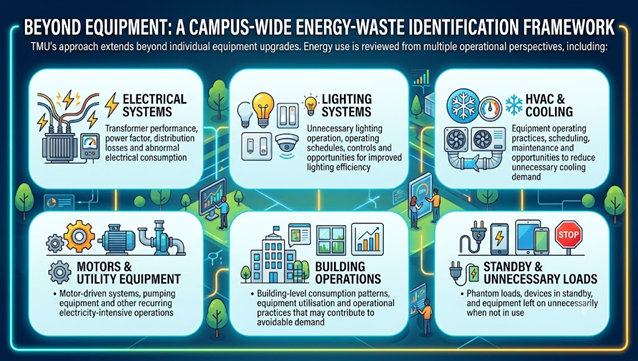
Figure: Six-Pillar Campus-Wide Energy-Waste Identification Framework
Electrical Systems
Transformer performance, power factor, distribution losses and abnormal electrical consumption.
Lighting Systems
Unnecessary lighting operation, operating schedules, controls and opportunities for improved lighting efficiency.
HVAC & Cooling
Equipment operating practices, scheduling, maintenance and opportunities to reduce unnecessary cooling demand.
Motors & Utility Equipment
Motor-driven systems, pumping equipment and other recurring electricity-intensive operations.
Building Operations
Building-level consumption patterns, equipment utilisation and operational practices contributing to avoidable demand.
Standby & Unnecessary Loads
Equipment operating outside required periods, standby consumption and avoidable electrical loads.
The Pathway from Energy Waste to Decarbonisation
Progressive Campus Decarbonisation
Where electricity consumption is reduced through efficiency measures, the University reduces the electricity required to deliver the same operational service. This provides a practical pathway toward reducing associated Scope 2 greenhouse-gas emissions:
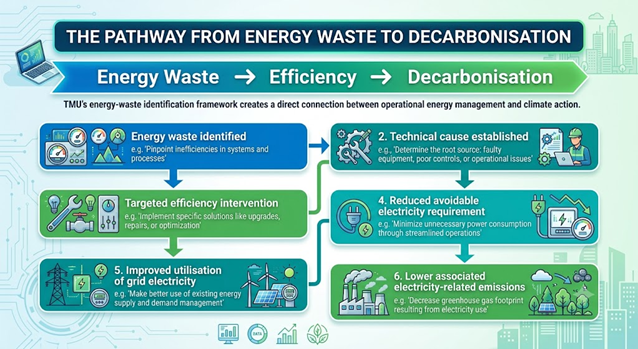
Figure: Step-by-Step Decarbonisation Mechanism: Energy Waste → Efficiency → Decarbonisation
Evidence-to-Impact Framework
The evidence-to-impact matrix correlates identified waste areas with implemented engineering interventions, verifiable efficiency outcomes, and overall contributions to SDG 7:
| Energy-Waste Identification | TMU Intervention | Efficiency Outcome | Impact on Clean & Affordable Energy |
|---|---|---|---|
| Reactive-power demand in electrical distribution | Power-factor correction capacitors | Power factor improved to approximately 0.99 | More efficient utilisation of supplied electricity |
| Transformer/distribution-system losses | Electrical-system efficiency intervention | Reduced reactive demand and associated avoidable losses | Improved energy efficiency |
| Induction-motor-driven domestic pumping | Replacement with more efficient pumping solutions | Reduced energy requirement for pumping operations | Efficient use of electricity in utility services |
| Unnecessary/avoidable operational consumption | Operational review and corrective action | Better alignment of energy use with actual operational requirements | Responsible energy management |
| Inefficient operating practices | Scheduling, shutdown and maintenance measures | Reduced unnecessary energy demand | Energy conservation and efficiency |
| Recurring energy-performance issues | Monitoring and review | Continuous identification of improvement opportunities | Institutionalised energy-efficiency management |
Regulatory & Operational Context
As a university located in Uttar Pradesh, TMU's electricity management operates within the applicable state electricity regulatory and distribution framework. Relevant electricity tariffs, institutional electricity connections and applicable provisions for renewable-energy integration and net metering are considered within the University's broader energy-management planning.
However, regulatory compliance is treated as the operating baseline, while energy-waste identification focuses on the University's own proactive responsibility to continuously improve the efficiency of its electrical infrastructure, equipment and operating practices.
Impact on Clean and Affordable Energy
Our energy-waste identification initiatives directly support the objective of improving energy efficiency by moving from passive energy consumption toward systematic identification and reduction of avoidable losses:
| Key Area | Description |
|---|---|
| Energy Efficiency | Improved utilisation of electricity through power-factor optimisation and efficient equipment. |
| Operational Efficiency | Reduction of unnecessary energy demand in recurring utility operations. |
| Resource Optimisation | Greater value obtained from each unit of electricity consumed. |
| Infrastructure Performance | Improved efficiency of electrical distribution and motor-driven systems. |
| Climate Action Linkage | Lower electricity demand can contribute to reduced associated Scope 2 emissions. |
| Continuous Improvement | A repeatable system for identifying, correcting and monitoring energy inefficiencies. |
A Practical Institutional Commitment Towards Energy Wastage Identification
“Identify the loss. Correct the inefficiency. Improve the performance. Sustain the gain.”