



2.5.4 - Sustainable Food Purchases
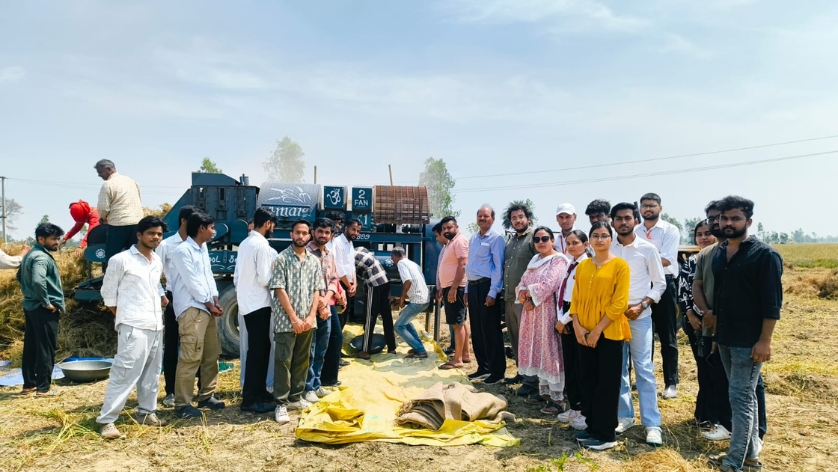
- Organized a Millet Event or similar campus food-awareness programme to promote nutritious, climate-resilient and locally suitable food choices.
- Conducted food exhibitions, recipe competitions, tasting sessions and awareness talks involving students, faculty & staff, farmers and local food producers.
- Encouraged campus food outlets and canteens to include nutritious, locally sourced and seasonal foods while reducing excessive food waste through food stalls.
- Established linkages with local farmers/FPOs/agri-entrepreneurial for sourcing millets, pulses, vegetables and other nutritious food products where feasible.
Sustainable Procurement & Purchasing Policy (Policy No. 24.0)
Institutional guidelines mandating environmentally sound, socially responsible, and economically viable procurement practices across all TMU campus operations, dining facilities, and agricultural initiatives.
View Policy1. Unveiling different agricultural waste & supplements for the cultivation of oyster mushroom (Pleurotus florida) & recycling of spent compost. Evidence
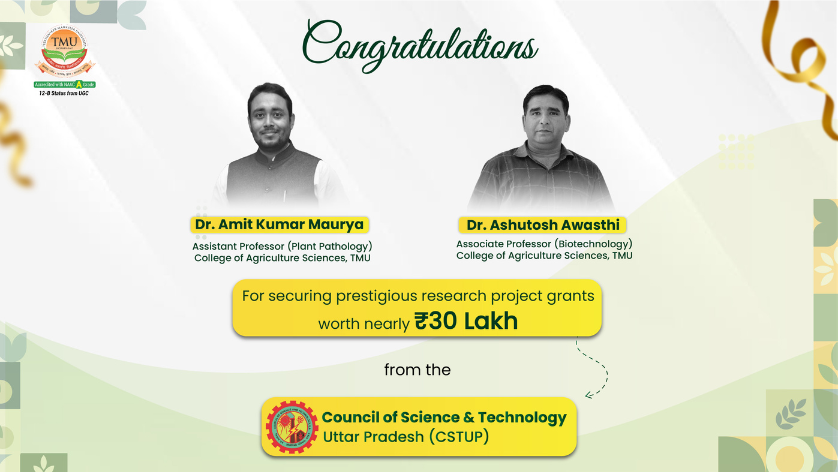
TMU secured a Rs.15.36 Lakh CST-UP research grant for a three-year project on agricultural waste and supplements for cultivation of oyster mushroom (Pleurotus florida) and recycling of spent compost. The project uses straw, husks and organic agricultural by-products as low-cost mushroom substrates and recycles spent compost as a soil amendment.
2. Developing biological solutions for managing plant health & productivity under Ecologically Intensive Agriculture - Evidence
TMU also secured a Rs.14.36 Lakh CST-UP research grant for a three-year project on biological solutions for plant health under Ecologically Intensive Agriculture.
The project highlights:
- Designing and deploying biological agents as sustainable alternatives to harmful agrochemicals.
- Improving soil health, crop resilience, and long-term sustainability.
3. Sustainable mushroom research publication.- Evidence
TMU faculty member, Dr Amit Kumar Maurya, co-authored a 2025 publication on:
“Scientific Mushroom Cultivation Technology: A Pathway to Sustainable Agriculture and Rural Revival.”
The work specifically connects mushroom production with:
- food poverty
- rural unemployment
- agricultural waste
- protein-rich food
- sustainable production
- pollution reduction
- farmer support.
4. International dairy-food innovation.- Evidence
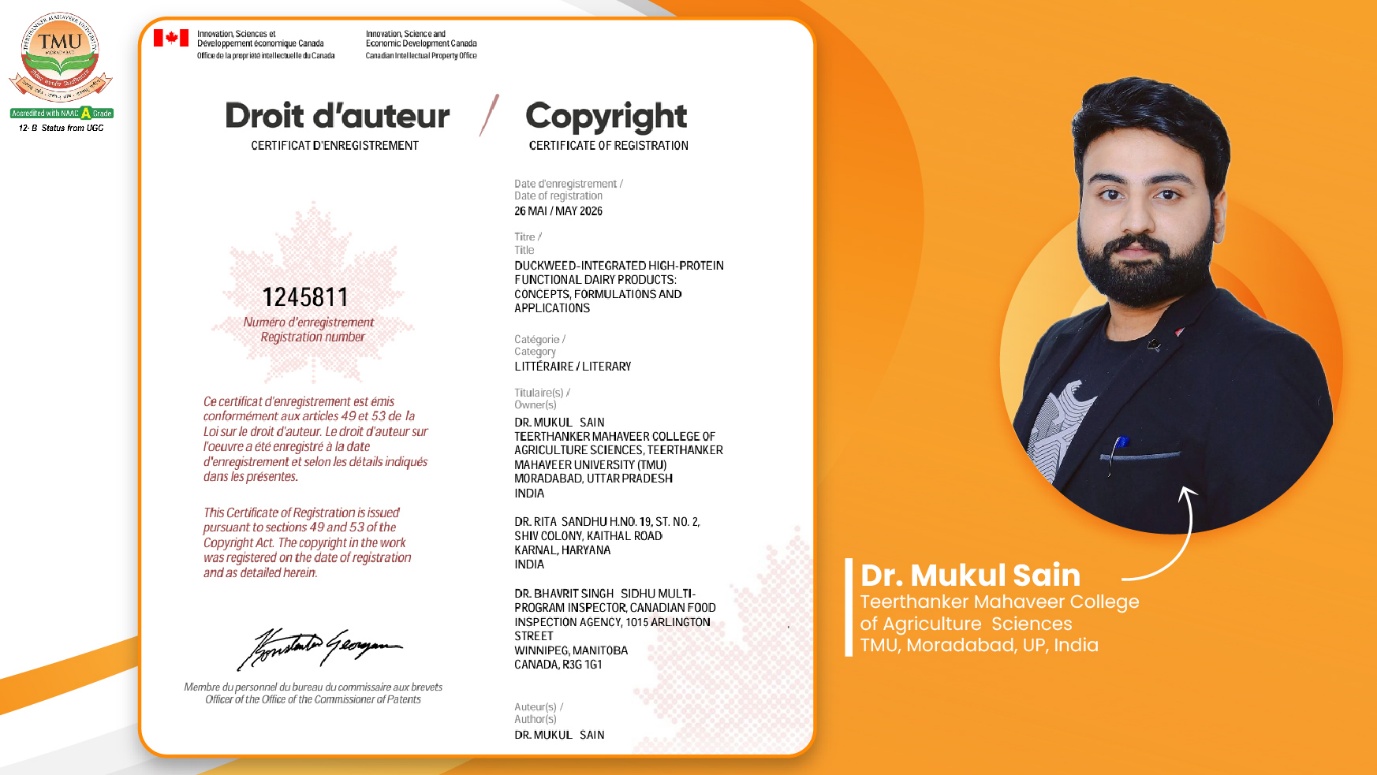
An international copyright awarded to faculty member Dr. Mukul Sain for “Duckweed-Integrated High-Protein Functional Dairy Products: Concepts, Formulations and Applications”. The work focuses on sustainable food innovation and high-protein functional dairy products.
Summary
Teerthanker Mahaveer University (TMU) is actively contributing to the reduction of food shortages and food waste in the surrounding community. Through awareness campaigns, the active involvement of students and staff, collaboration with government initiatives, and research in sustainable agriculture, the University is advancing efforts towards achieving Sustainable Development Goal 2: Zero Hunger. By encouraging responsible food consumption and strengthening local food systems, TMU is supporting the development of a more sustainable, food-secure, and equitable future for all.
The University also promotes research and educational activities that encourage sustainable agricultural practices, improve food production, and enhance awareness of food security challenges. These initiatives reflect TMU’s commitment to community engagement, responsible resource utilization, and building a resilient food system for present and future generations.
Future Plans
- Develop educational programmes and awareness campaigns for students and local communities to promote understanding of Zero Hunger, food security, nutrition, and sustainable food systems.
- Establish partnerships with agricultural research institutions and encourage research on sustainable farming practices, food security, nutritional improvement, and agricultural innovation.
- Engage students and faculty members in community-based initiatives aimed at addressing hunger, facilitating food distribution, and supporting economically disadvantaged and vulnerable communities.
- Encourage students and local farmers to adopt sustainable agricultural practices that enhance productivity while conserving natural resources and protecting the environment.
- Promote the development and adoption of innovative agricultural technologies to improve productivity, strengthen storage facilities, and reduce post-harvest losses.
- Organize skill development programmes for students and local farmers to enhance their capabilities in efficient farming techniques, food processing, and sustainable agricultural management.
- Collaborate with local authorities and relevant stakeholders to strengthen agricultural commodity markets, minimize price fluctuations, and ensure fair and equitable access to food.
- Promote environmentally sustainable initiatives focused on improving soil health, enhancing soil productivity, conserving natural resources, and addressing climate change challenges.
- Engage with policymakers, government agencies, and community stakeholders to advocate for policies and programmes that strengthen food security and advance Zero Hunger at local, regional, and national levels.