




2.3.3 - Sustainable Food Choices on Campus
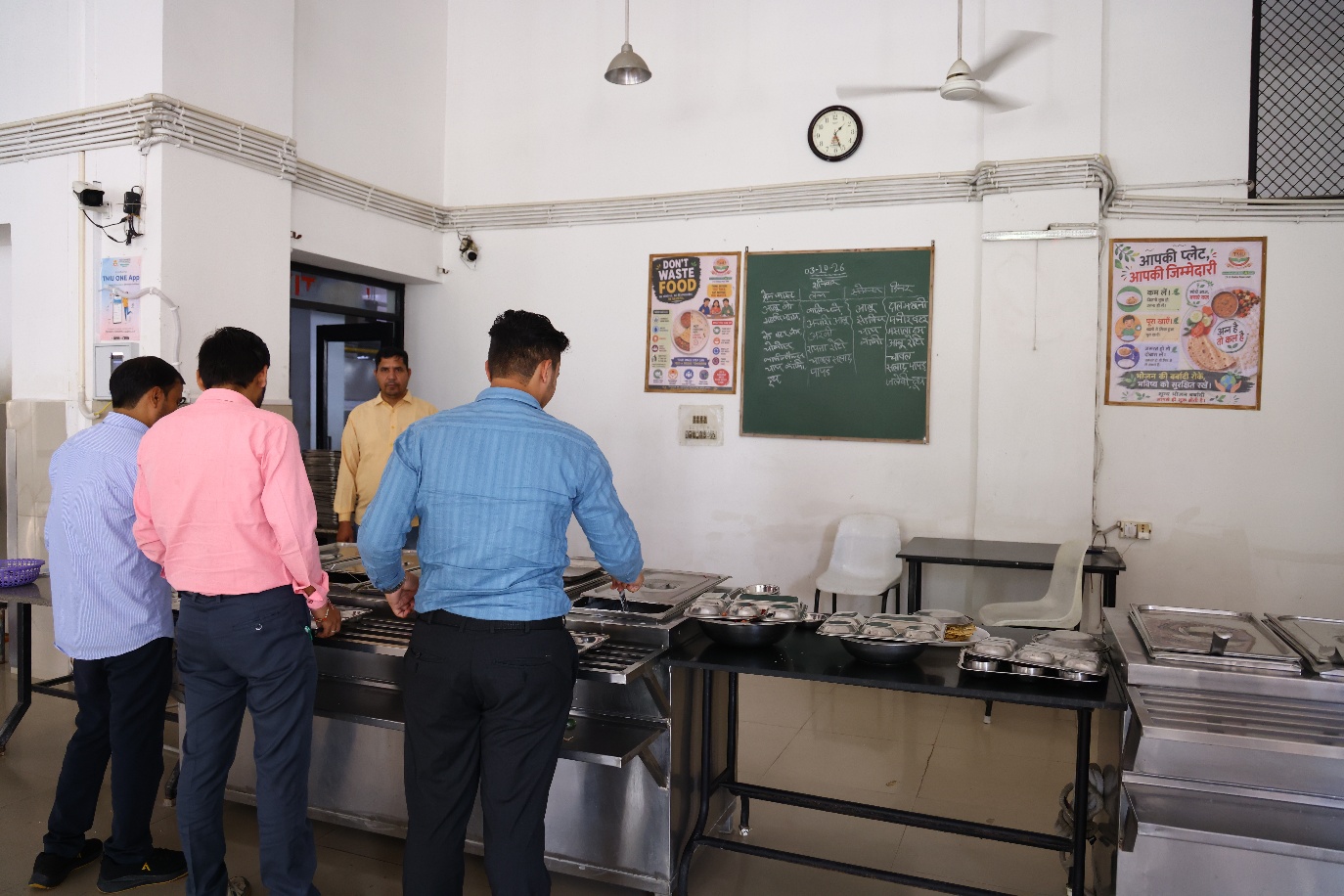
TMU promotes responsible food consumption through a strictly vegetarian campus food environment, organized hostel mess facilities and food-service practices that encourage students to make appropriate and responsible food choices. The University's hostel food environment maintains a pure vegetarian food system, with consumption of non-vegetarian food prohibited within hostel facilities. This provides a clearly defined vegetarian food environment for residential students and forms an important component of our approach to responsible and sustainable food consumption.
We also promote responsible consumption through measures intended to reduce unnecessary food wastage. Hostel mess guidelines encourage students to take food according to their immediate requirements and return for additional food when needed.
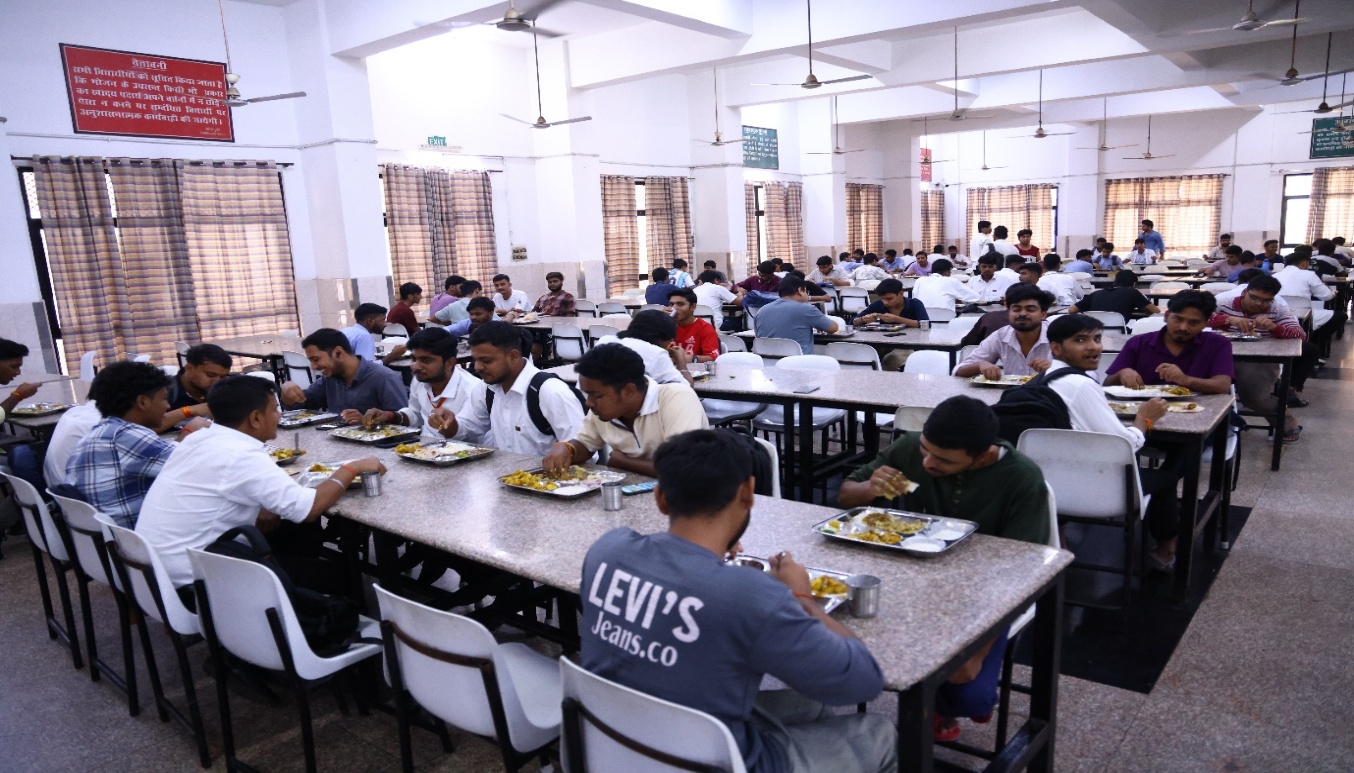
1. Continuing Strict Vegetarian Food Environment
We at TMU maintain a very strict vegetarian campus food environment, with non-vegetarian food prohibited within its hostel facilities. The University's hostel facilities provide organized vegetarian food services for residential students. This approach provides students with a consistent vegetarian food environment within residential facilities and supports responsible food consumption.
Key Features
- Pure vegetarian food in hostel mess facilities
- Non-vegetarian food prohibited within hostel facilities
- Organized hostel food-service system
- Structured meal provision
- Regular food-service arrangements
- Student-oriented food choices
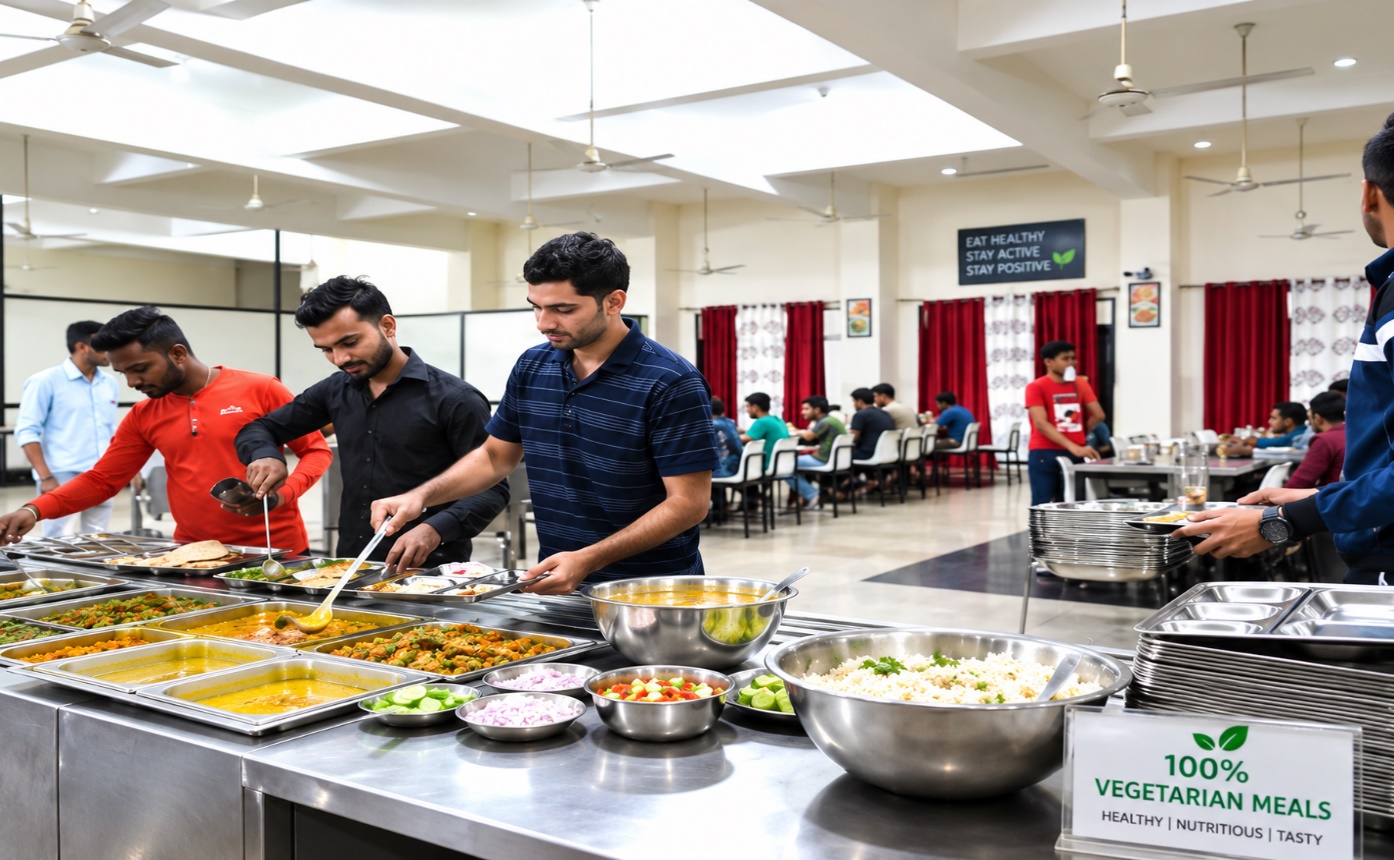
2. Choosing Local & Seasonal Produce
Teerthanker Mahaveer University (TMU) follows a local and seasonal approach to food procurement for its campus food services. Food items are purchased directly through local farmers, taking into account seasonal availability and the availability of produce in the market. This practice enables the University’s food services to procure ingredients according to the agricultural season and the produce available at the time of purchase. The ingredients are used in the preparation of meals served through campus dining facilities and hostel messes. By aligning food procurement with local availability and seasonal supply, we support local agricultural producers while incorporating fresh, seasonally available ingredients into its campus food services.
3. Minimizing Food Waste
We follow practical measures to improve the use of food resources in campus dining. Serving smaller portions initially and allowing students to take additional servings when required can help avoid serving more food than they intend to consume. The University’s meal-booking application also records meal bookings and cancellations, providing information that can help catering services estimate demand before preparing food. By reviewing booking patterns and actual meal attendance, the catering team can improve preparation planning and reduce the likelihood of surplus food. In addition, biodegradable food waste collected from campus food services is channeled to nearby piggery farms, as described in the University’s waste-management practices. These arrangements link food-service management with waste prevention and the utilization of collected food waste.
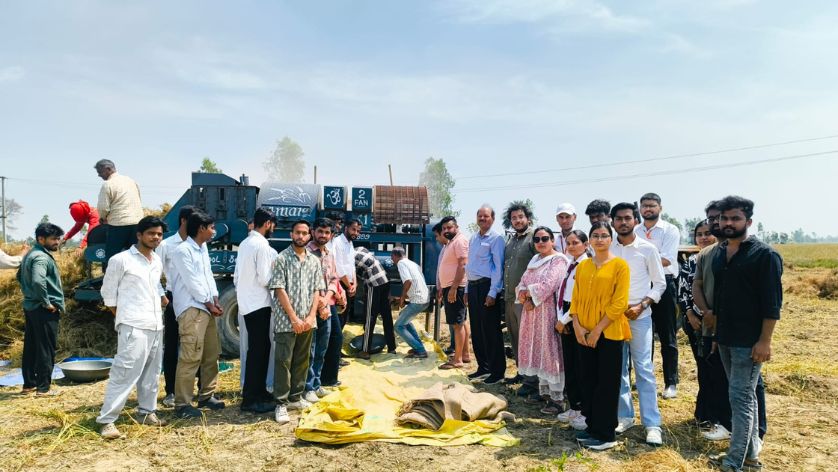
4. Supporting Responsible Farming
TMU’s practice of procuring food items through local farmers provides a direct link between campus food services and the local agricultural community. Purchases are guided by seasonal requirements and the availability of produce, allowing the University to source food according to the prevailing supply of agricultural products. This arrangement supports local farmers by providing a procurement channel for produce required by the University’s kitchens and dining facilities. It also enables food procurement to respond to the natural availability of different ingredients throughout the year. Purchase records, supplier details, and seasonal procurement registers can serve as supporting evidence of this practice for the University’s SDG-02 reporting.
5. Student Learning at Agriculture Food Lab
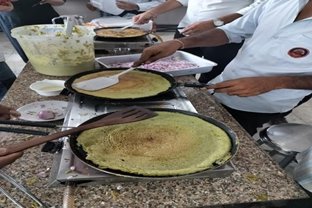
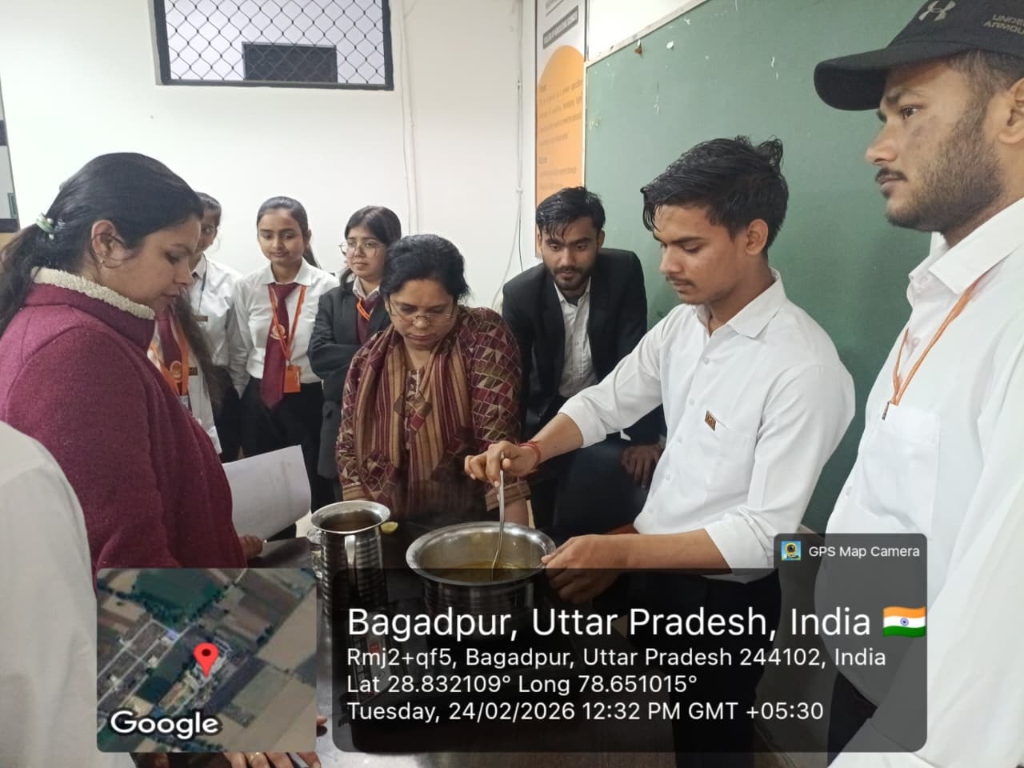
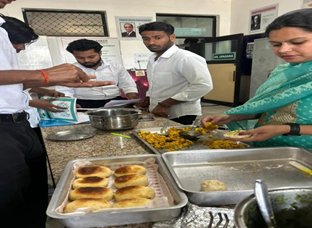
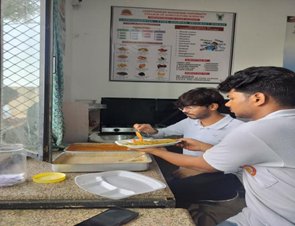
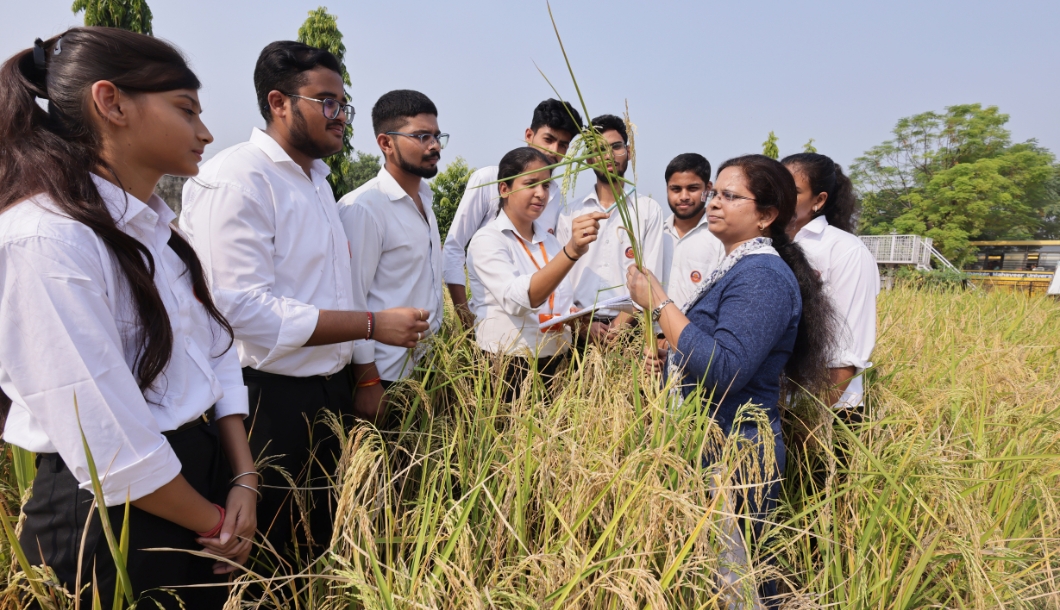
Teerthanker Mahaveer University (TMU) promotes healthy food choices through student learning initiative in which students prepare nutritious food items on campus (Non-Commercial, Only for Academic Learning). The initiative provides students a learning platform to practice on healthier food options and practical experience in food preparation, hygiene, teamwork, entrepreneurship ideas etc. It provides an opportunity to students to learn managing a small food enterprise, helping students develop organizational and entrepreneurial skills. The initiative connects food and nutrition awareness among students with practical exposure while doing their academic activties