



2.3.1 & 2.3.2 - Student Food Insecurity & Hunger & Student Hunger Interventions
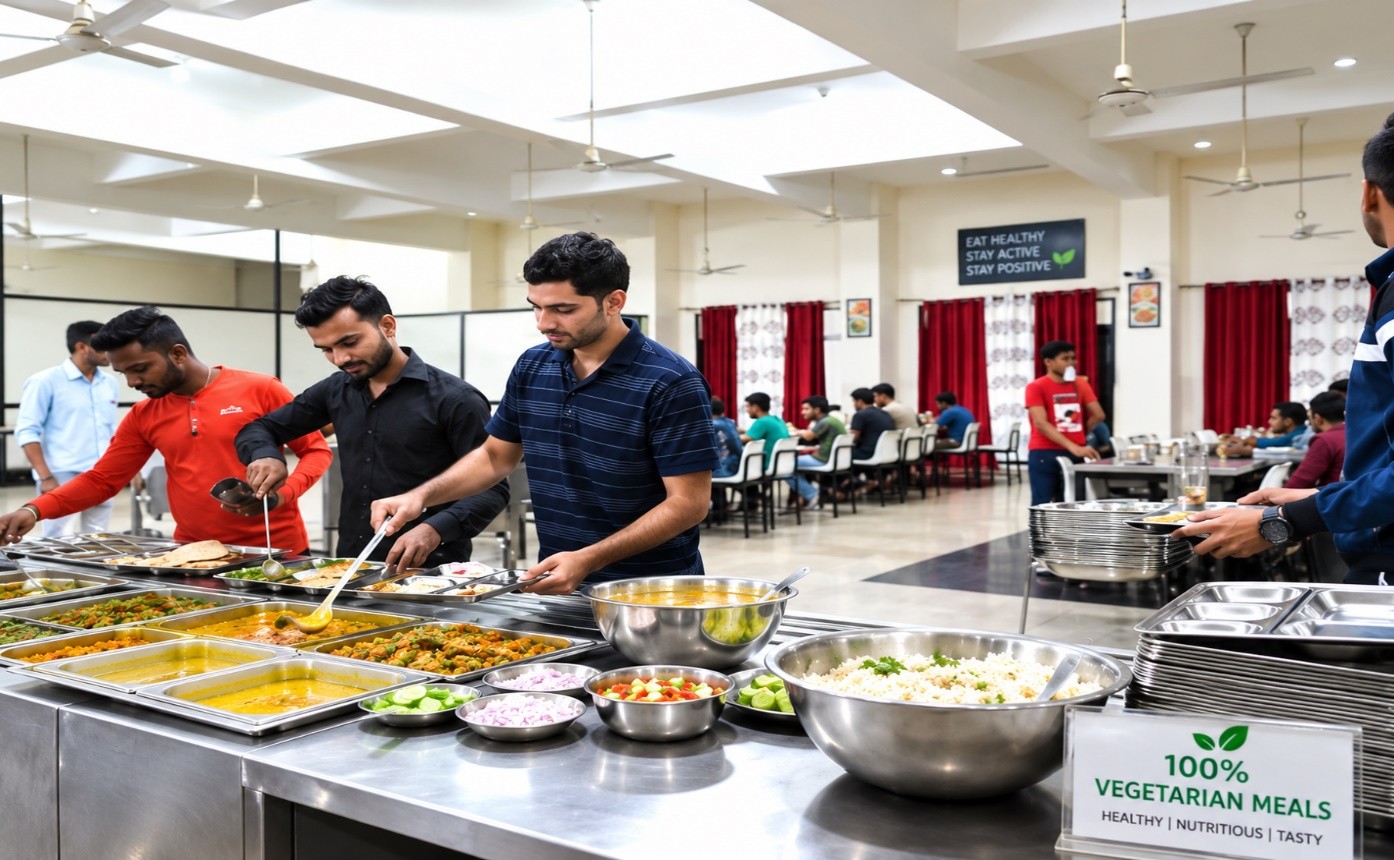
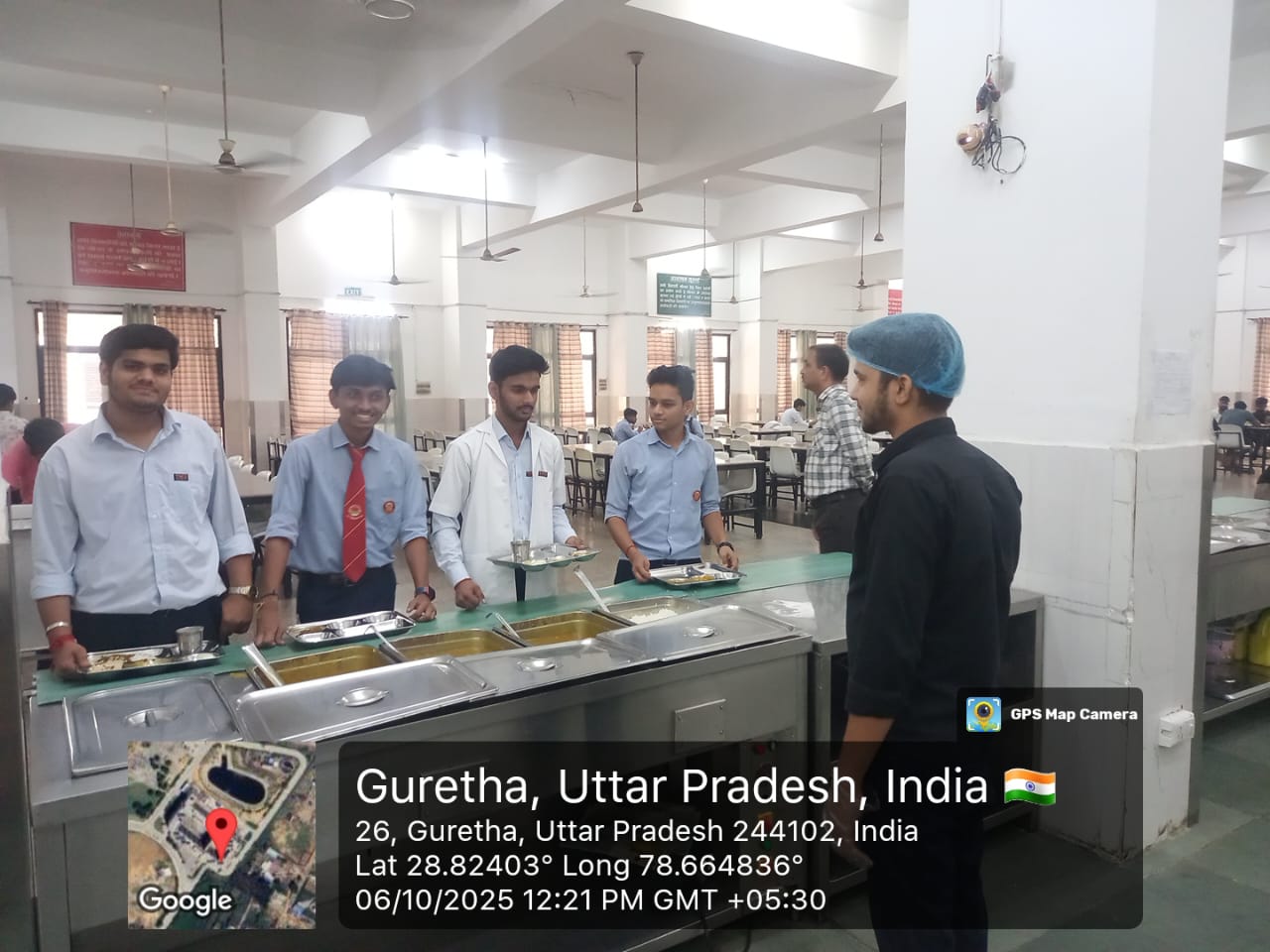
We recognize that access to adequate, nutritious, safe and affordable food is an important component of student well-being and an enabling factor for successful participation in academic and campus life. The University therefore provides students with access to multiple food-service facilities within the campus, including canteens, eateries and food outlets, enabling students to obtain food at convenient locations and at different times according to their requirements.
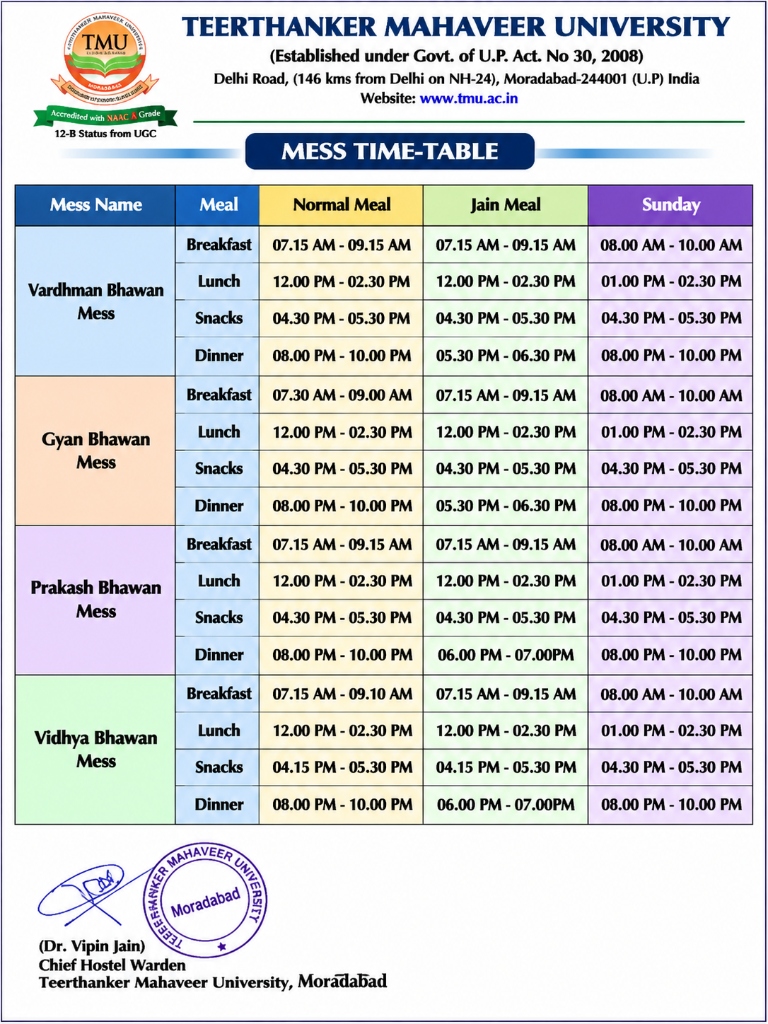
The campus food-service environment is designed to provide students with pure vegetarian food at student-friendly and affordable prices. The availability of multiple food outlets within the University helps ensure that students have convenient access to meals and refreshments without having to depend exclusively on food sources outside the campus. TMU's hostel system also provides organized mess facilities for residential students. The University's hostel information documents the provision of pure vegetarian food and its structured mess arrangements.
Accessible Food Facilities Within the Campus
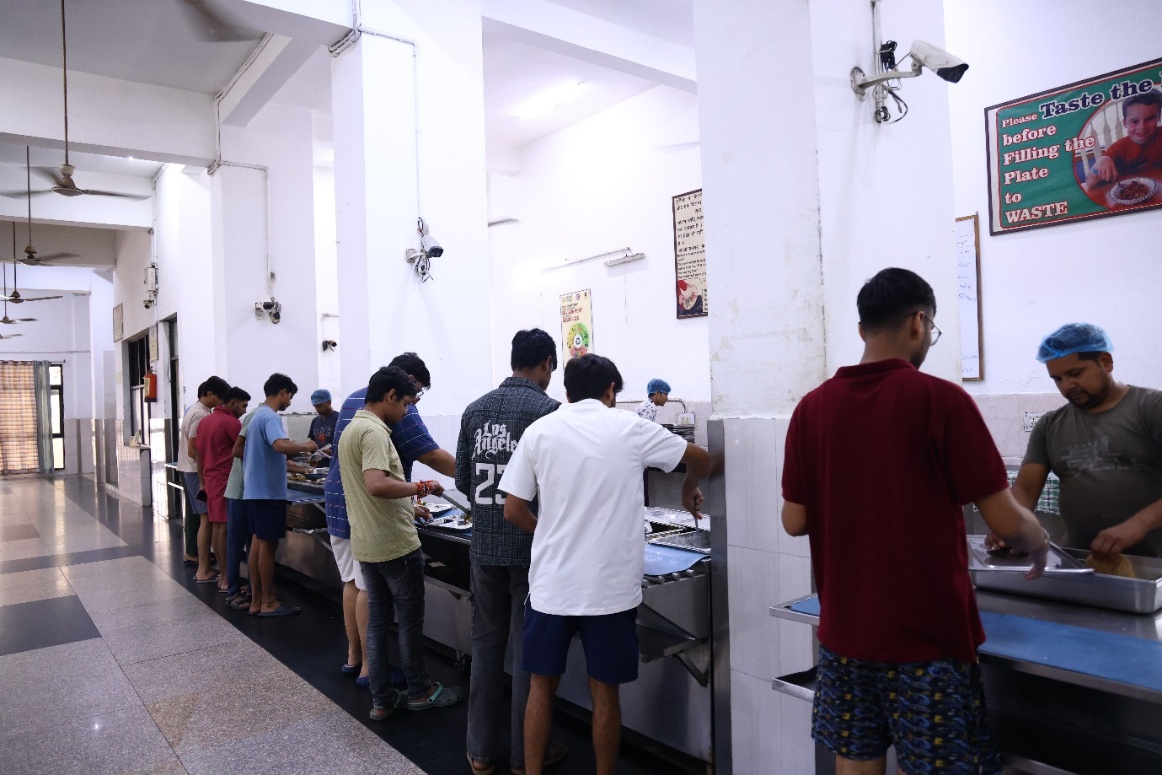
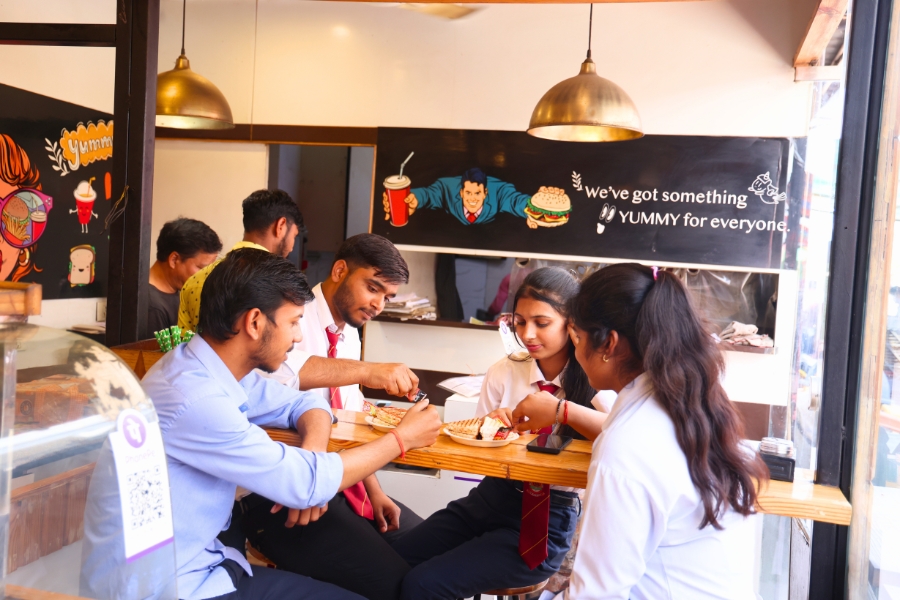
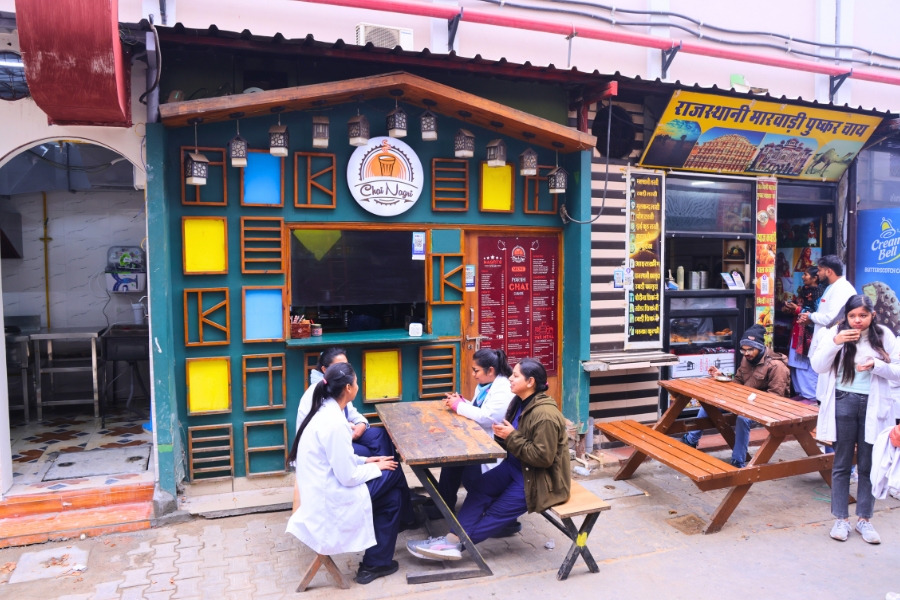
We provide food access through a range of campus-based facilities, including hostel mess facilities, campus canteens, eateries and food outlets, other student-serving food facilities, round-the-clock/24-hour food outlets, where operational. These facilities provide students with access to food within the University campus, thereby reducing dependence on external food establishments and supporting convenient access to meals.
Affordable Food Access for Students
Affordability is an important component of food accessibility. TMU provides food through campus-based facilities at student-friendly and affordable prices, enabling students to obtain food without the additional cost and inconvenience associated with travelling outside the University campus. The University's hostel mess system provides organized food services as part of residential facilities.
Availability of Food Beyond Regular Meal Hours
An important feature of the campus food environment is the availability of food outlets that operate for extended hours, including round-the-clock/24-hour outlets where applicable. Such facilities provide an additional food-access mechanism for students who may require food outside conventional breakfast, lunch and dinner timings, including students engaged in academic activities, clinical postings, laboratory work, examinations, residential activities or other campus responsibilities.
TMU v/s Market Food Comparison
| Affordability Indicator | Data |
|---|---|
| Average cost of Breakfast | INR. 25/- |
| Average cost of Lunch | INR. 30/- |
| Average cost of Evening Snacks | INR. 15/- |
| Average cost of Dinner | INR. 30/- |
| Average Daily Food Expenditure for a Student | INR. 100/- |
| Average market per meal price | INR 80/- |
| Difference from comparable market price per meal | INR. 50/- |
Quality & Nutritional Standards
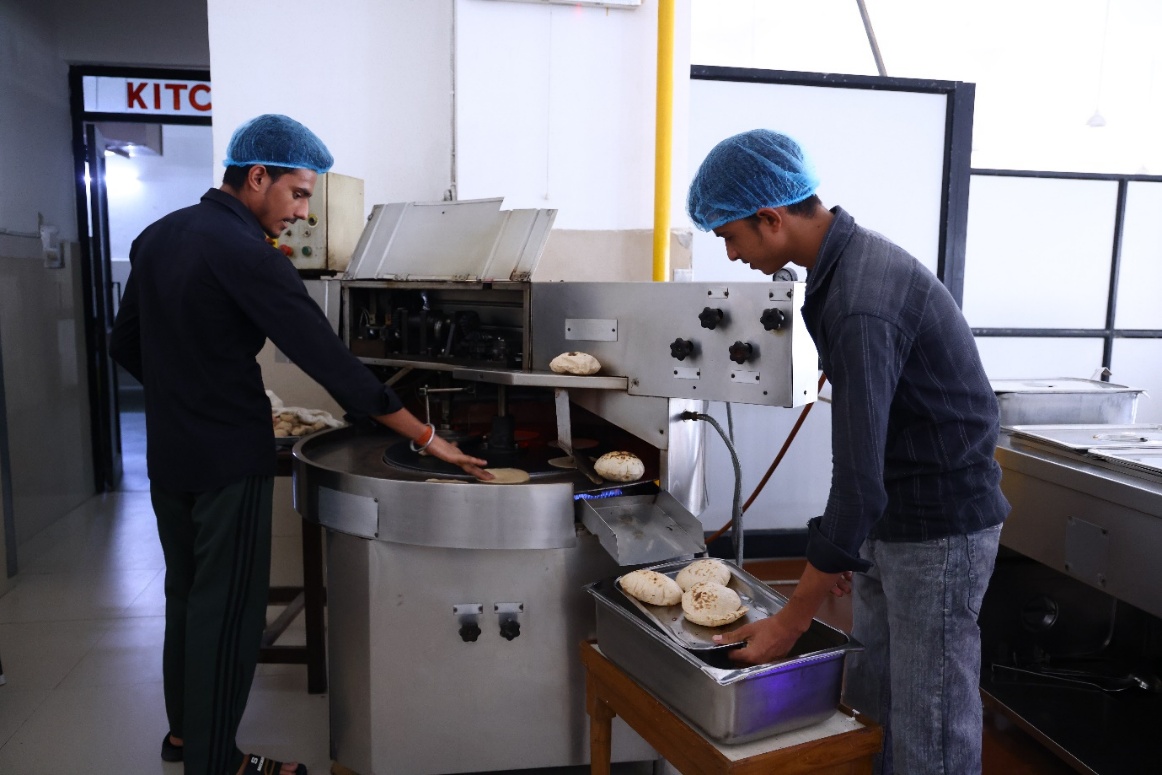
Availability of food is complemented by attention to the quality, nutritional value and hygiene of food served through campus facilities. TMU's food-service facilities are subject to institutional oversight relating to food quality and service standards. The University's food-service environment provides vegetarian food, while hostel mess arrangements provide organized meals to residential students. There is periodic monitoring of:
- Food quality
- Food preparation
- Food storage
- Food handling
- Kitchen cleanliness
- Personal hygiene of food handlers
- Dining-area hygiene
- Quality of ingredients
- Safe preparation practices
- Food-serving practices
- Cleanliness of utensils and equipment
Safe Food Storage & Preparation
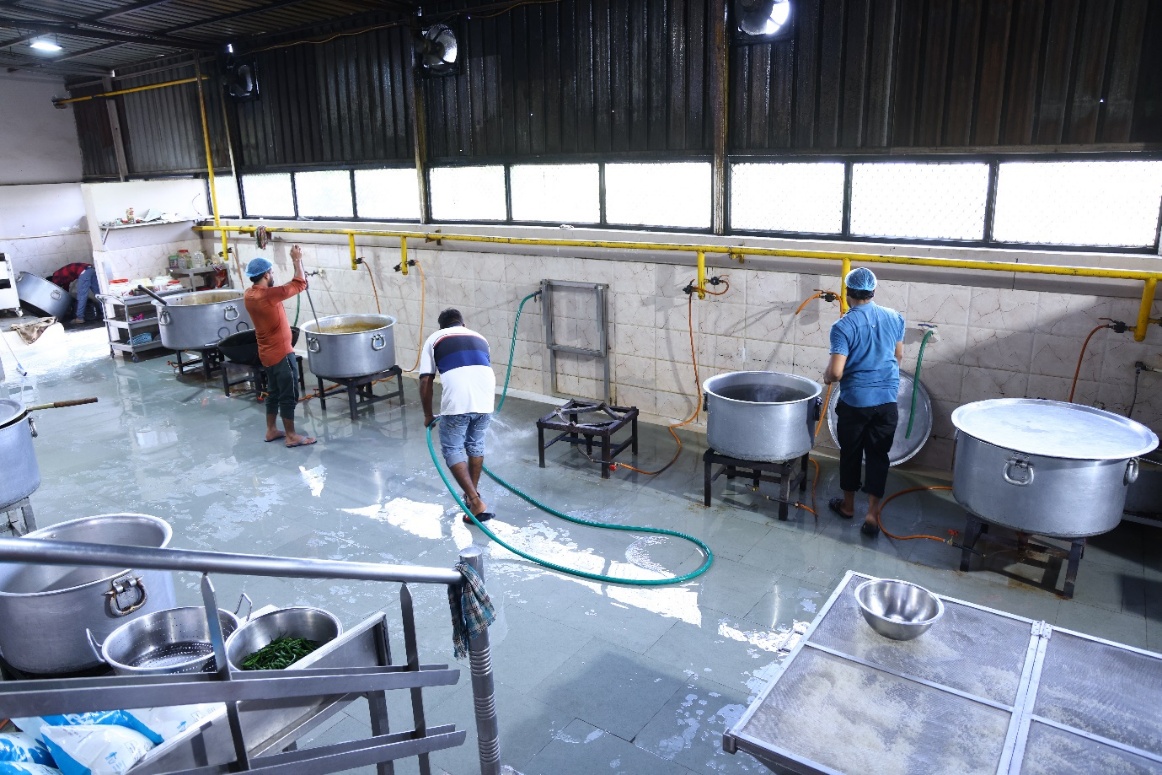
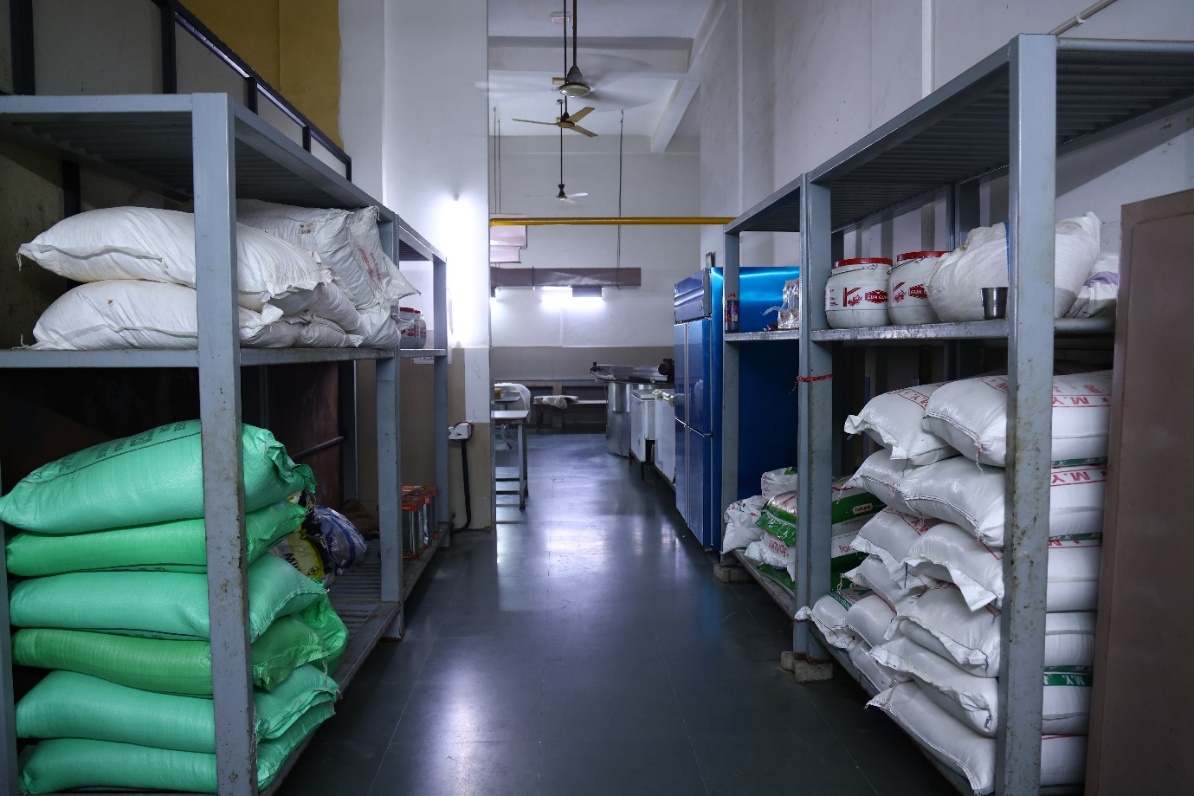
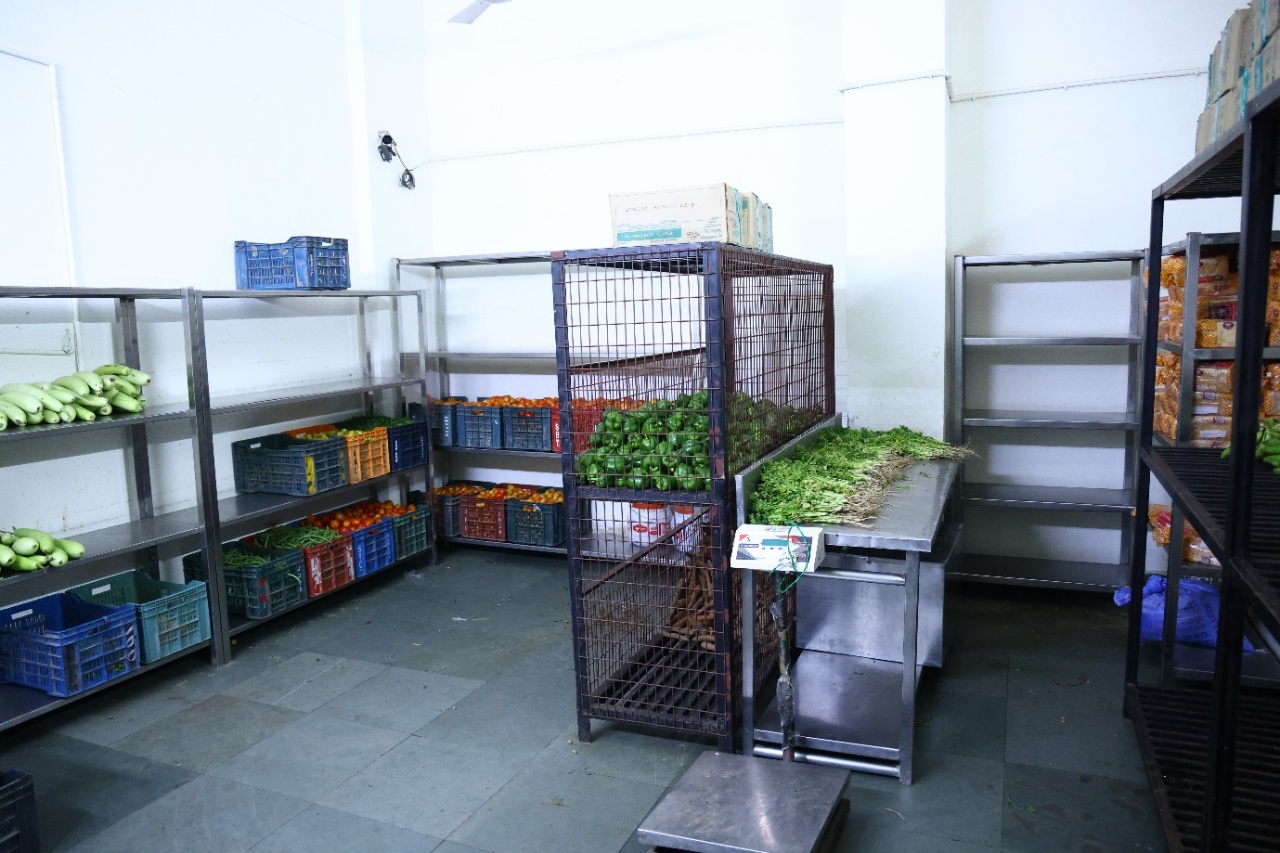
The University has on-campus storage facilities for food-related supplies and ingredients. These facilities support the orderly storage and handling of items used in campus food services; relevant storage and temperature-monitoring records can be maintained as evidence of safe storage practices. TMU's campus food-service system places importance on maintaining appropriate standards during storage, preparation and service of food. Food-service operations involve the management of ingredients from storage through preparation and serving. Continuous institutional monitoring of these processes supports the availability of food that is safe, hygienically prepared and suitable for student consumption.
Mess Policy: The hostel mess operates under institutional arrangements for meal provision, food quality, hygiene, and responsible consumption. The policy and related operating instructions guide meal service, food handling, and student conduct in the dining area. The approved Mess Policy and current mess rules should be retained as supporting evidence.
Mess Policy Link: https://www.tmu.ac.in/assets/img/department/iqac/sdg/goal2/mess_policy.pdf
Student Food-Access Framework
Food facilities available within campus
Student-friendly pricing
Food provided through messes, canteens and eateries
Extended/round-the-clock availability where applicable
Food designed to meet routine dietary needs
Food preparation, storage and hygiene monitoring
Dietary requirements accommodated where applicable
Mess Operations & Cold Storage Facilities
Meeting Student Hunger Needs Through Timely Food Access
Food insecurity is not only related to the availability of food but also to whether students can access food at the time it is required. TMU's provision of multiple food-service facilities within the campus, including outlets with extended operating hours where applicable, supports timely access to food. Students can obtain food through campus facilities without needing to leave the University campus, while hostel residents have access to organized mess services. This creates a campus food environment that supports students' routine food requirements.
Pure Vegetarian Food Environment
TMU's hostel facilities provide pure vegetarian food, with non-vegetarian food prohibited within the hostel food environment. This provides a clearly defined food-service environment for students and supports the University's provision of vegetarian meals within its residential facilities.
Student Food-Access Feedback
TMU regularly considers student feedback regarding the availability, affordability, quality and hygiene of food services across the campus. Feedback from students helps the university identify areas for improvement in campus canteens, messes and other food-service facilities. Students can provide inputs regarding food quality, taste, menu variety, portion sizes and affordability. The feedback is reviewed by the concerned authorities and used to improve food-service arrangements where required.
Student Food Access & Institutional Support
| Dimension | Institutional Provisions |
|---|---|
| Physical access | Campus-based messes, canteens and eateries |
| Affordability | Student-friendly food pricing |
| Availability | Multiple food-service points |
| Extended access | Round-the-clock outlets where applicable |
| Residential access | Hostel mess facilities |
| Food type | Pure vegetarian food in hostel messes |
| Quality | Institutional monitoring |
| Hygiene | Monitoring of food-service practices |
| Special requirements | Festival/customized dietary arrangements |
| Timeliness | Food available within campus according to outlet operating hours |
Food tasting and menu-related feedback also support continuous monitoring of student satisfaction. Through this feedback mechanism, TMU seeks to ensure that students have timely access to safe, nutritious, acceptable and affordable food.