




2.5.1 Access to Food Security Knowledge
Disseminating scientific agricultural knowledge, hands-on extension training, modern crop production techniques, and biodiversity awareness is fundamental to building sustainable food security. Teerthanker Mahaveer University (TMU), led by the Teerthanker Mahaveer College of Agriculture Sciences, maintains comprehensive educational programmes, regional knowledge-sharing platforms, national conferences, and experiential farm field visits that connect students, researchers, industry specialists, and regional growers.
1. World Food Day 2025 - Evidence
- Promoted preventive animal-health practices through exposure visits in coordination with veterinary experts and appropriate extension agencies.
- Exposure visits with students in hygienic milk, egg and meat production, safe handling and basic value-addition practices to reduce losses and improve food quality.
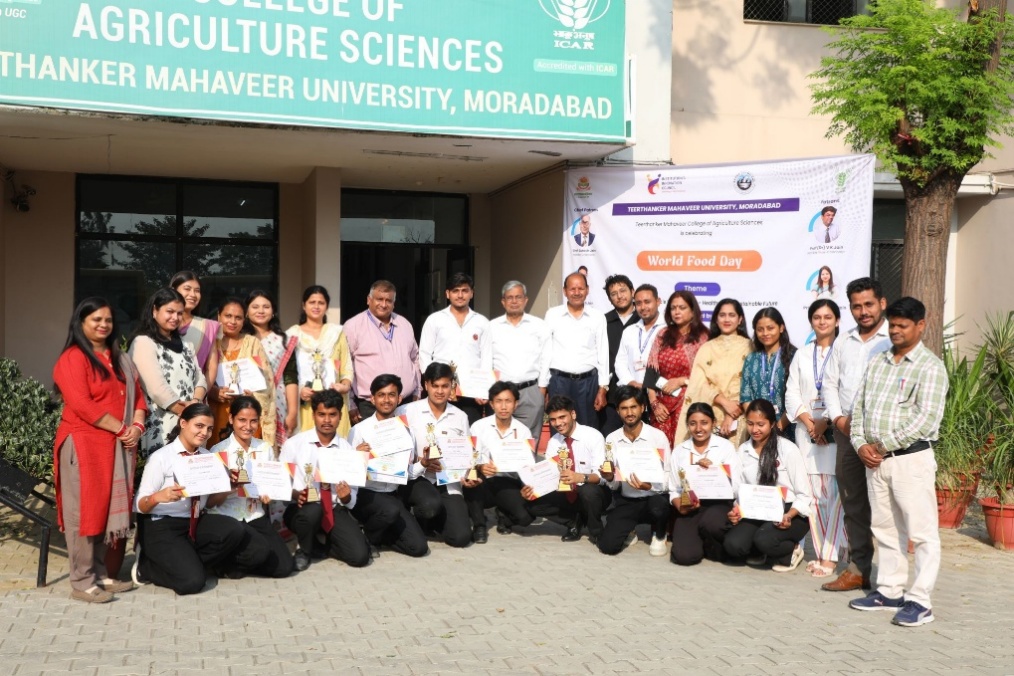
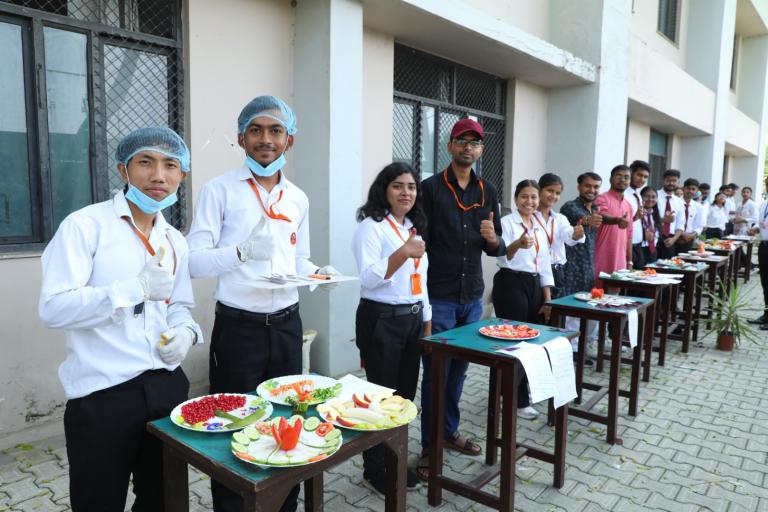
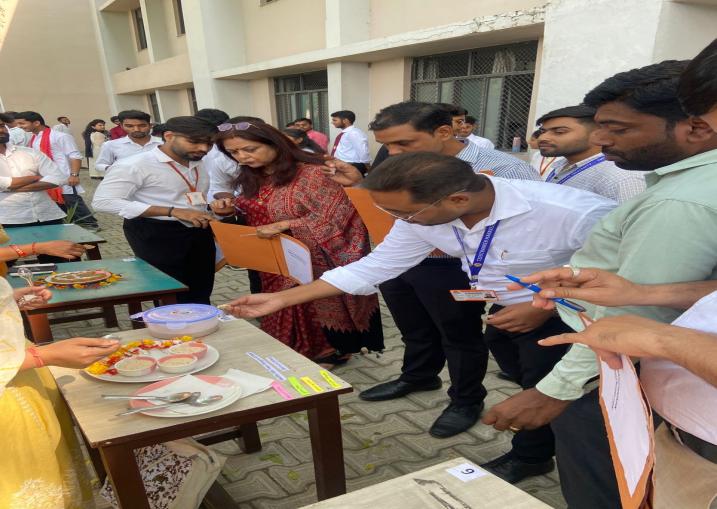
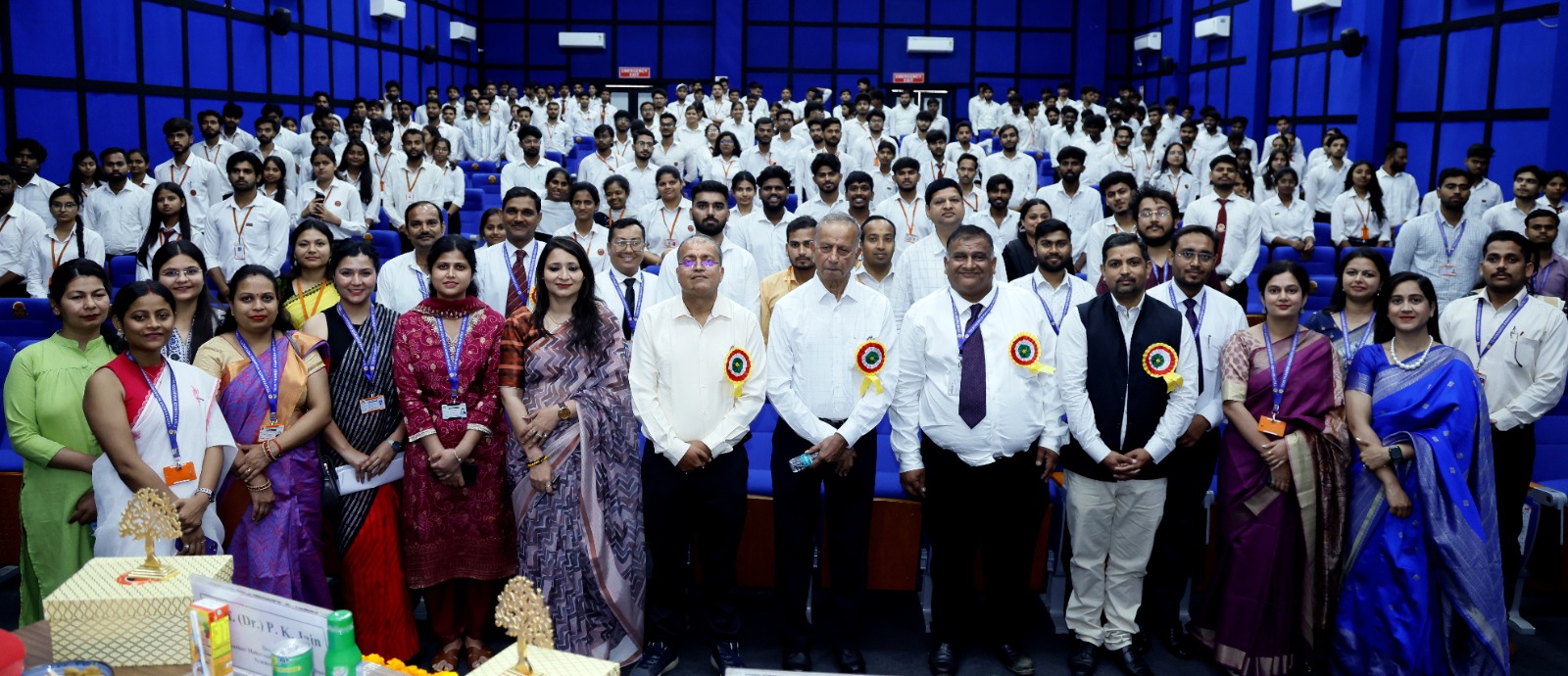
TMU's Teerthanker Mahaveer College of Agriculture Sciences conducted a World Food Day 2025 Food Fest on 16 October 2025. The activities in the event included: Food Photography competition, Poster Making competition, Salad Decoration and Presentation, Guest lecture involving industry experts and a retired IFS officer. The theme was linked to millets, sustainable development, healthy diets and food security.
2. Two Day National Conference on Sustainable Agriculture & Water Security - Evidence
TMU hosted a two-day National Conference on Sustainable Agriculture and Water Security, attracting 493 registrations and approximately 378 participating delegates. More than 300 research papers were presented on sustainable agriculture, climate-smart farming, biodiversity, water management and rural livelihoods, strengthening knowledge dissemination on sustainable food systems.
3. Organic Farming Training - Evidence
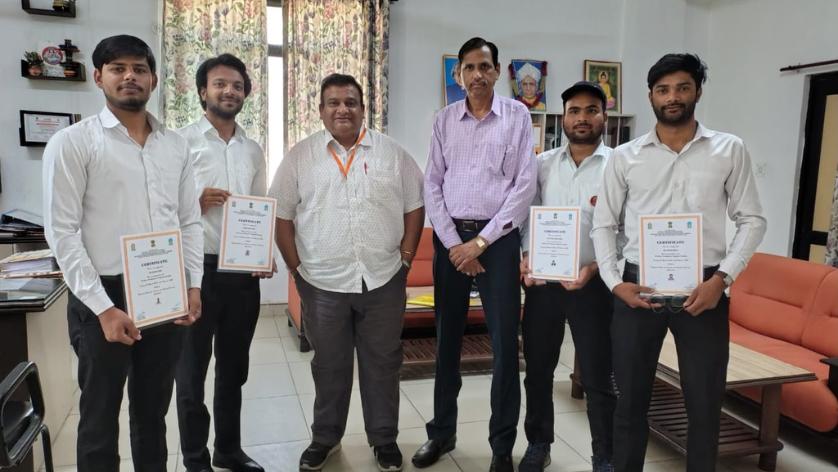
Four TMU agriculture students participated in a five-day residential Organic Farming Training Programme held from 25–29 March 2025 at Ghaziabad. The programme was organised under the National Centre for Organic and Natural Farming (NCONF) and Ministry of Agriculture & Farmers' Welfare. The training covered soil-health management, composting, integrated pest management, eco-friendly farming inputs, organic and natural farming.
4. Visit to Food Corporation of India (FCI), Moradabad - Evidence
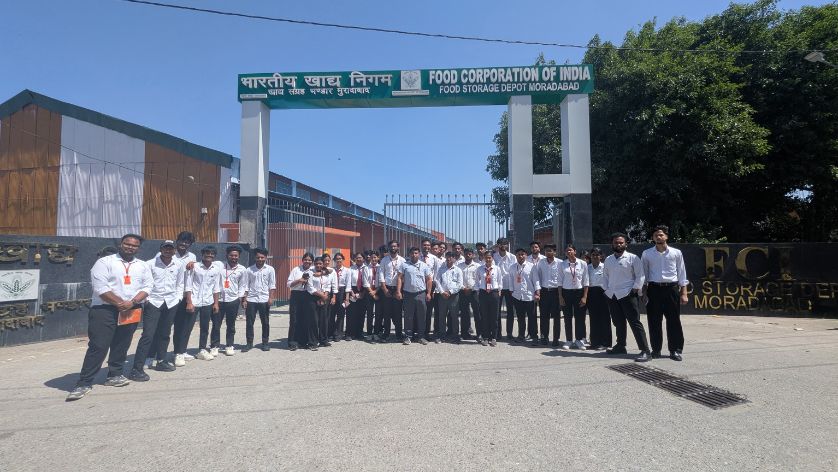
Students of B.Sc.(H) Agriculture program visited the Food Corporation of India (FCI), Moradabad wherein the students received practical exposure to India's food-grain supply chain through an educational visit to FCI Moradabad. The visit covered scientific storage, procurement from farmers, post-harvest loss prevention and distribution through the Public Distribution System, strengthening student understanding of food security and farmer–consumer linkages.
5. Visit to Indian Agricultural Research Institute (IARI), New Delhi - Evidence
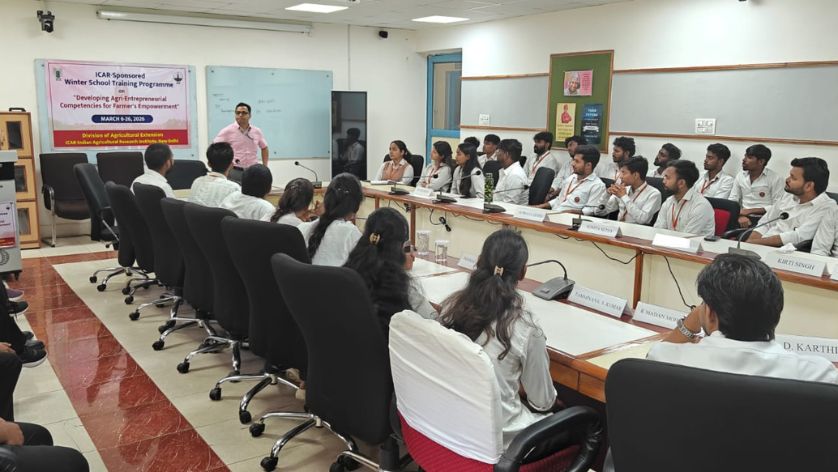
TMU agriculture students visited the Indian Agricultural Research Institute (IARI), New Delhi. The programme covered Agricultural extension, Lab-to-Land technology transfer, Farmer training, Frontline demonstrations, Farmer field schools, Participatory rural appraisal and Climate-smart agriculture and Community Based Learning.
6. Seed Production Farm Visit - Evidence
TMU organised a Seed Production Farm Visit for B.Sc. Agriculture students. The students learned:
- seed production
- agricultural inputs
- irrigation
- nutrient management
- plant protection
- seed processing
- threshing
- cleaning, drying and storage
- certification
- quality assurance.
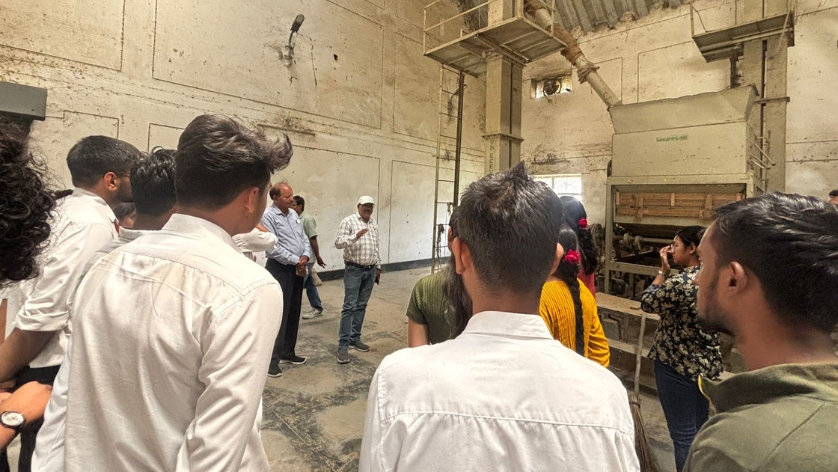
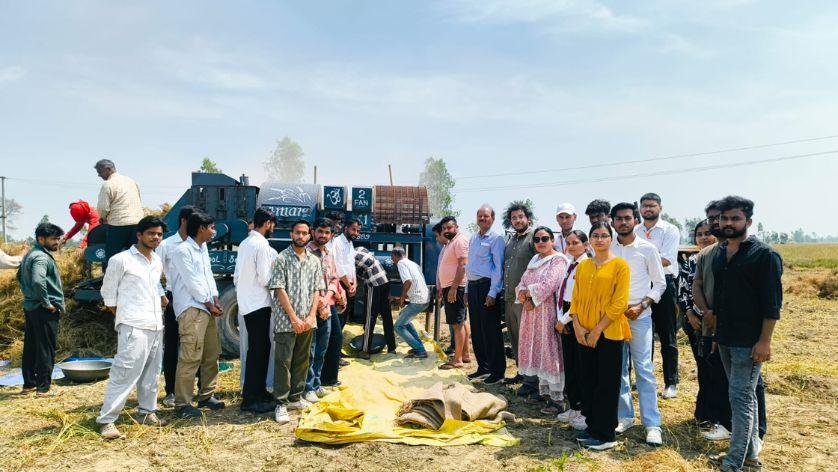
They also observed grain-handling structures, vertical elevator systems, mobile threshing equipment and post-harvest grain handling.
7. Practical Crop Production Hands-on Training
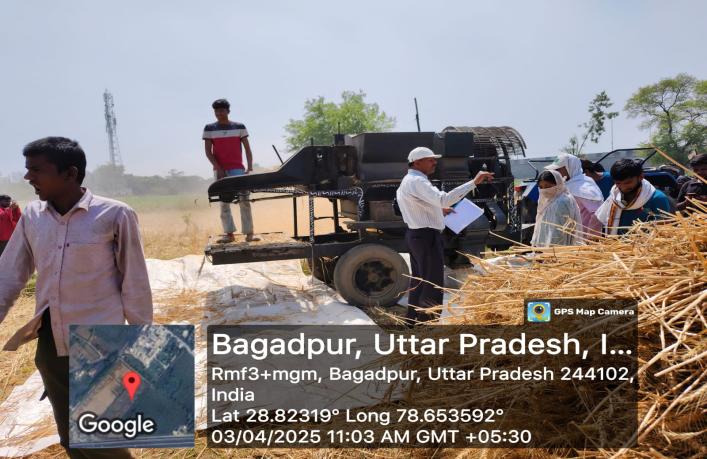
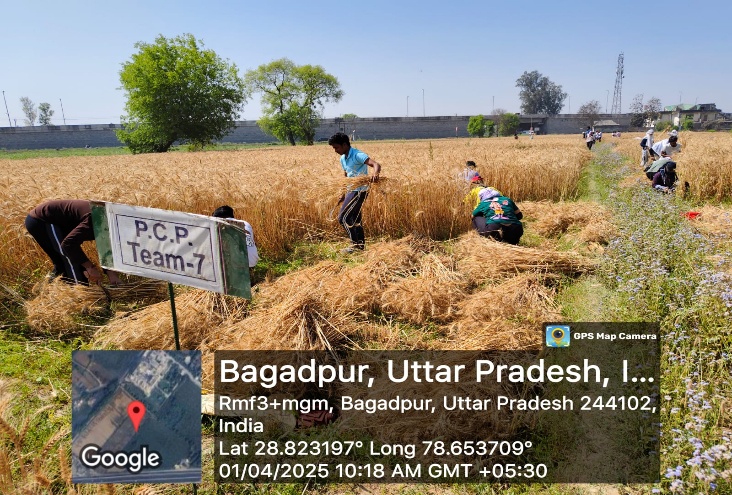
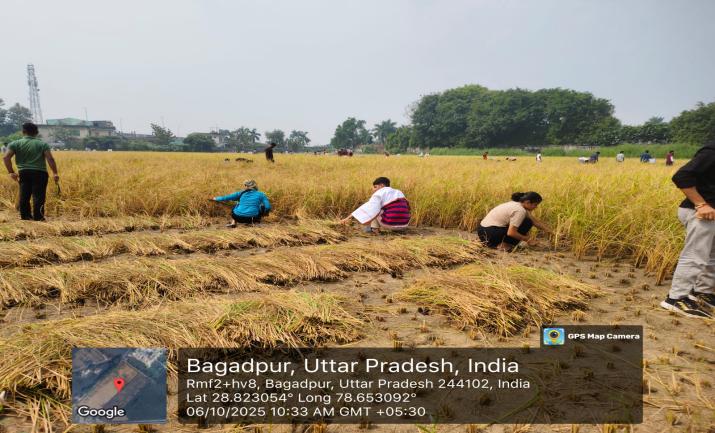
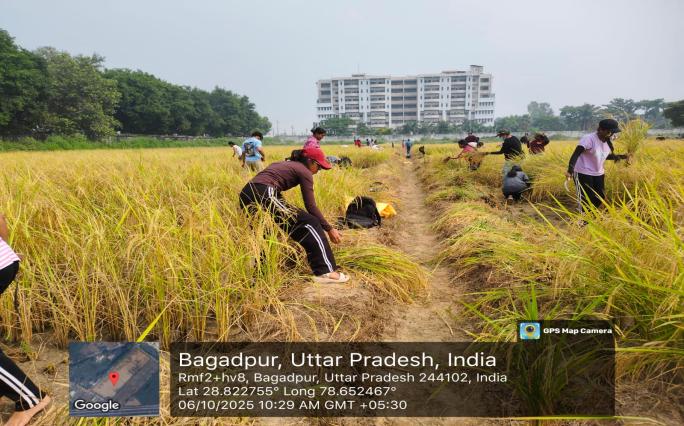
Teerthanker Mahaveer University (TMU) conducts Practical Crop Production Hands-on Training every year for students during the fifth and sixth semesters of their agricultural studies. The training provides field-based learning opportunities to develop practical skills and strengthen students’ understanding of crop production practices. Students participate in activities such as land preparation, seed selection and treatment, sowing and planting, nursery management, irrigation, nutrient management, weed control, pest and disease management, intercultural operations, harvesting, and post-harvest handling of different crops. It helps prepare future agricultural professionals with skills relevant to crop cultivation, crop management, and post-harvest handling, which are important aspects of food production and reducing losses after harvest.
8. Educational Visit to Pearl Farming Unit at Jards, Moradabad
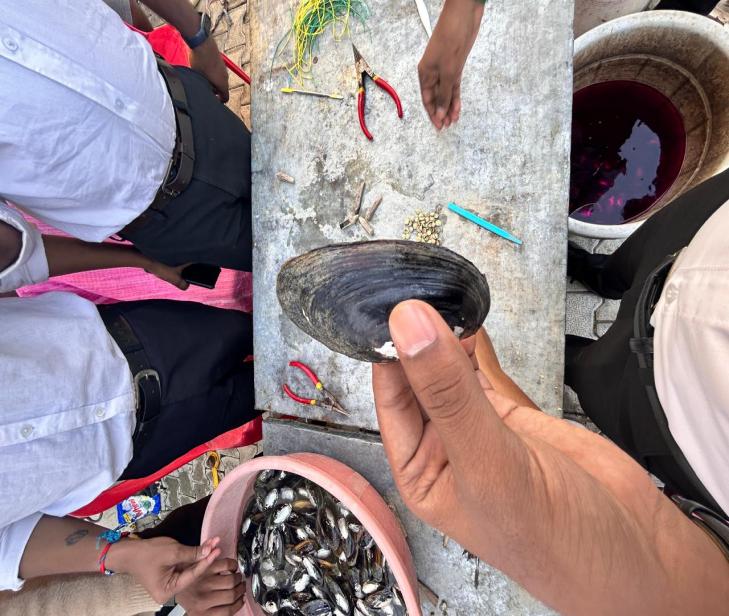
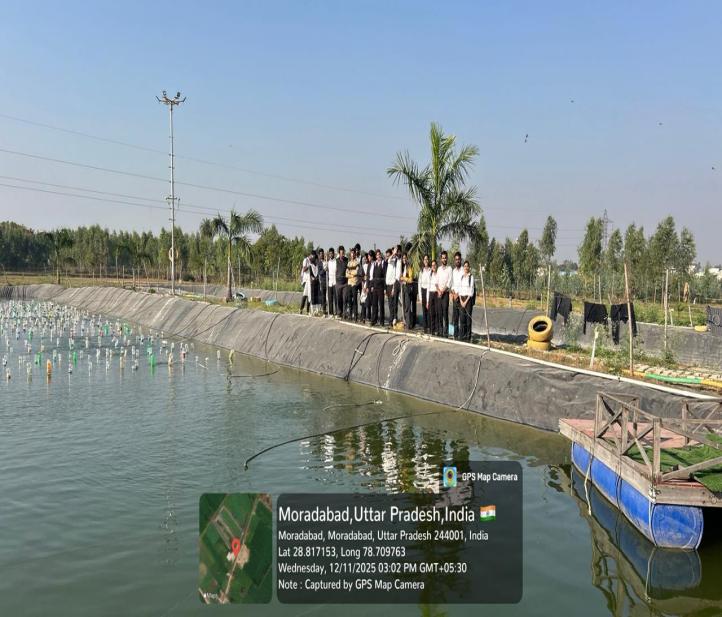
On 12 November 2025, students of Teerthanker Mahaveer University (TMU) visited a pearl farming unit at Jards, Moradabad, as part of their educational and experiential learning activities. The visit provided practical exposure to freshwater pearl cultivation and helped students understand the techniques and management practices involved in pearl production. During the visit, students observed key stages of pearl farming, including the selection and maintenance of pearl-producing mussels, nucleus insertion, mussel rearing, water-quality management, and pearl harvesting. Interactions with local farmers provided insights into the practical challenges and operational requirements of this aquaculture-based enterprise. It broadened students’ understanding of freshwater farming practices and the potential of aquaculture-related enterprises to support rural livelihoods and diversify agricultural activities. While pearl farming primarily produces pearls rather than food, the visit offered useful exposure to aquatic farming techniques and enterprise management within the broader agricultural sector.
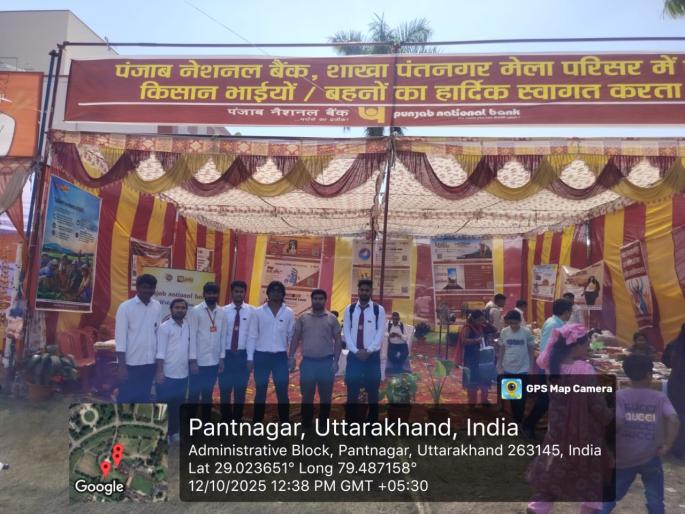
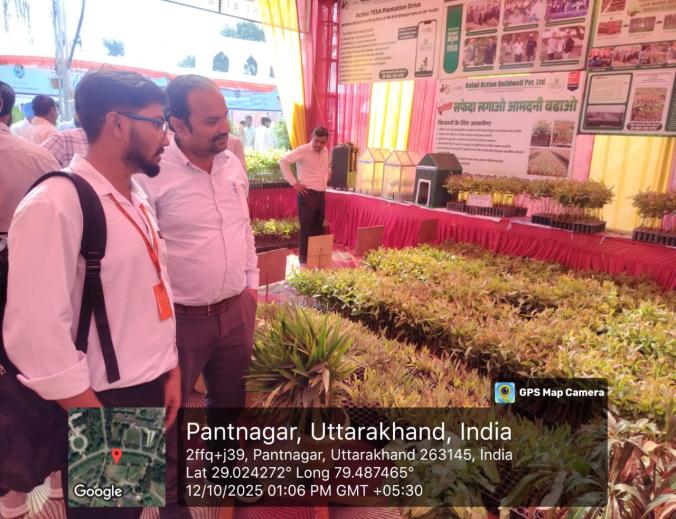
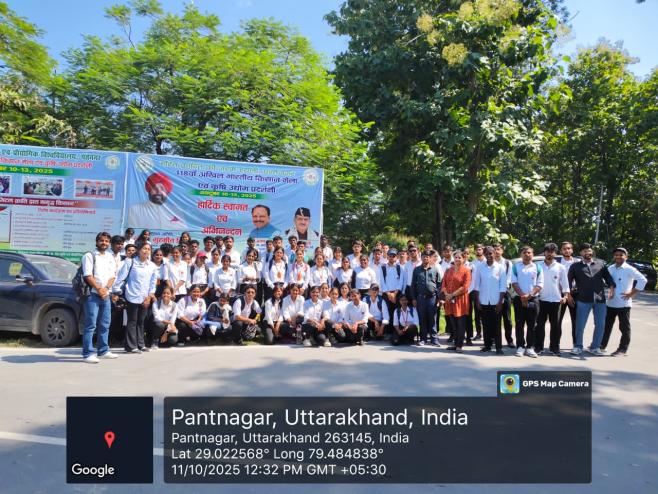
9. Educational Visit to Kisan Mela (Farmers Exhibition) at Pantnagar
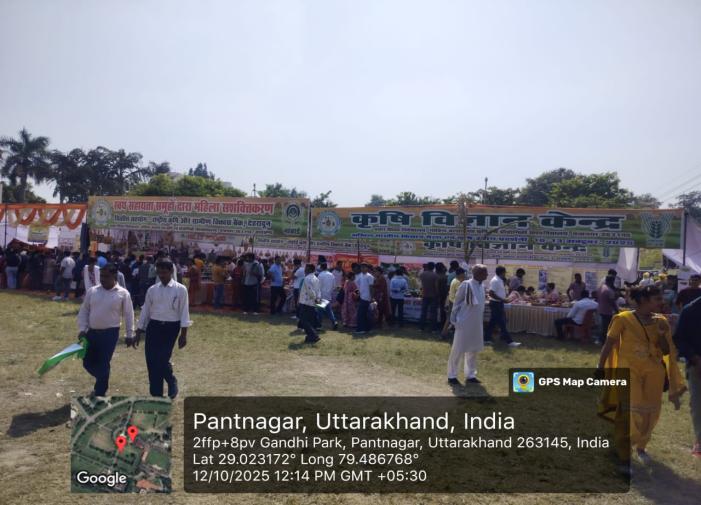
On 11 and 12 October 2025, students of Teerthanker Mahaveer University (TMU) visited the Kisan Mela organized at Govind Ballabh Pant University of Agriculture and Technology, Pantnagar. The educational visit provided an opportunity to learn about recent developments in agriculture, improved farming practices, modern agricultural technologies, and innovative farm machinery. It enabled students to gain practical exposure to agricultural advancements and understand their relevance to farm operations and crop production. Such educational exposure helps develop knowledge relevant to agricultural productivity, efficient crop cultivation, and the adoption of modern technologies in support of sustainable food production.
10. Visit to the Engineering Workshop, Division of Agricultural Engineering, ICAR, New Delhi
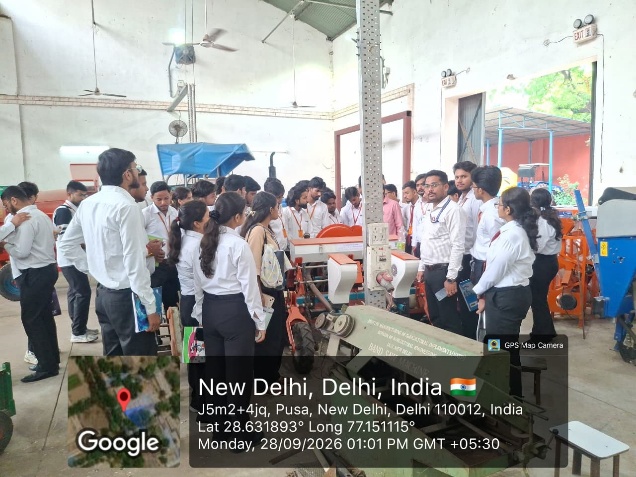
Students of the B.Sc. (Hons.) Agriculture programme at Teerthanker Mahaveer University (TMU) visited the Engineering Workshop at the Division of Agricultural Engineering, Indian Council of Agricultural Research (ICAR), New Delhi – 110012, as part of their academic and experiential learning activities. The visit aimed to familiarize students with agricultural engineering technologies, farm machinery, and engineering applications relevant to modern agricultural practices.
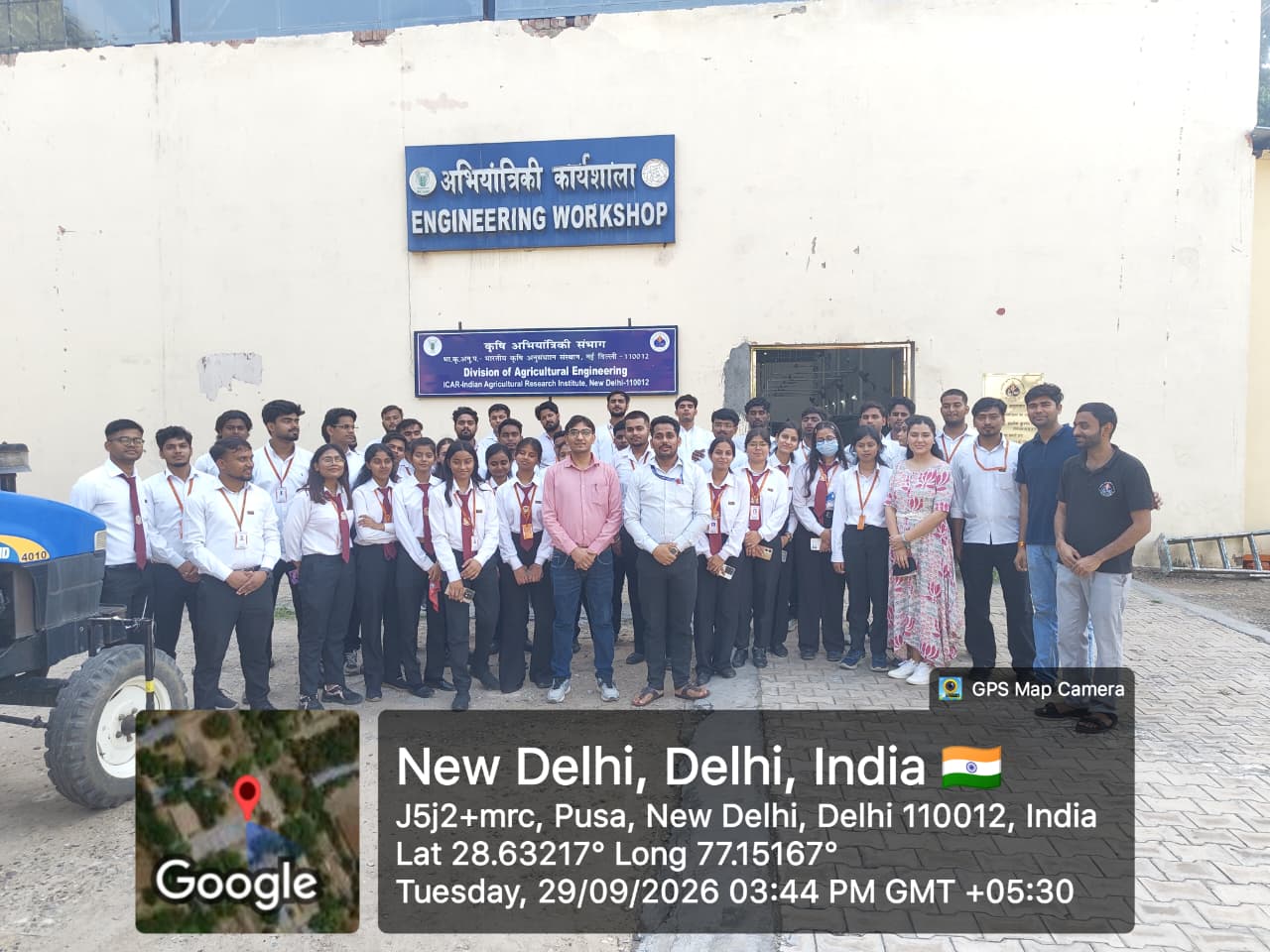
During the visit, students were introduced to the role of agricultural engineering in supporting efficient and sustainable agricultural production. The engineering workshop provided an educational setting to understand the importance of farm machinery, equipment fabrication, maintenance, and technological innovations in agricultural operations. The visit also helped students appreciate how appropriate mechanization can improve operational efficiency, reduce labor-intensive activities, and support timely agricultural operations.
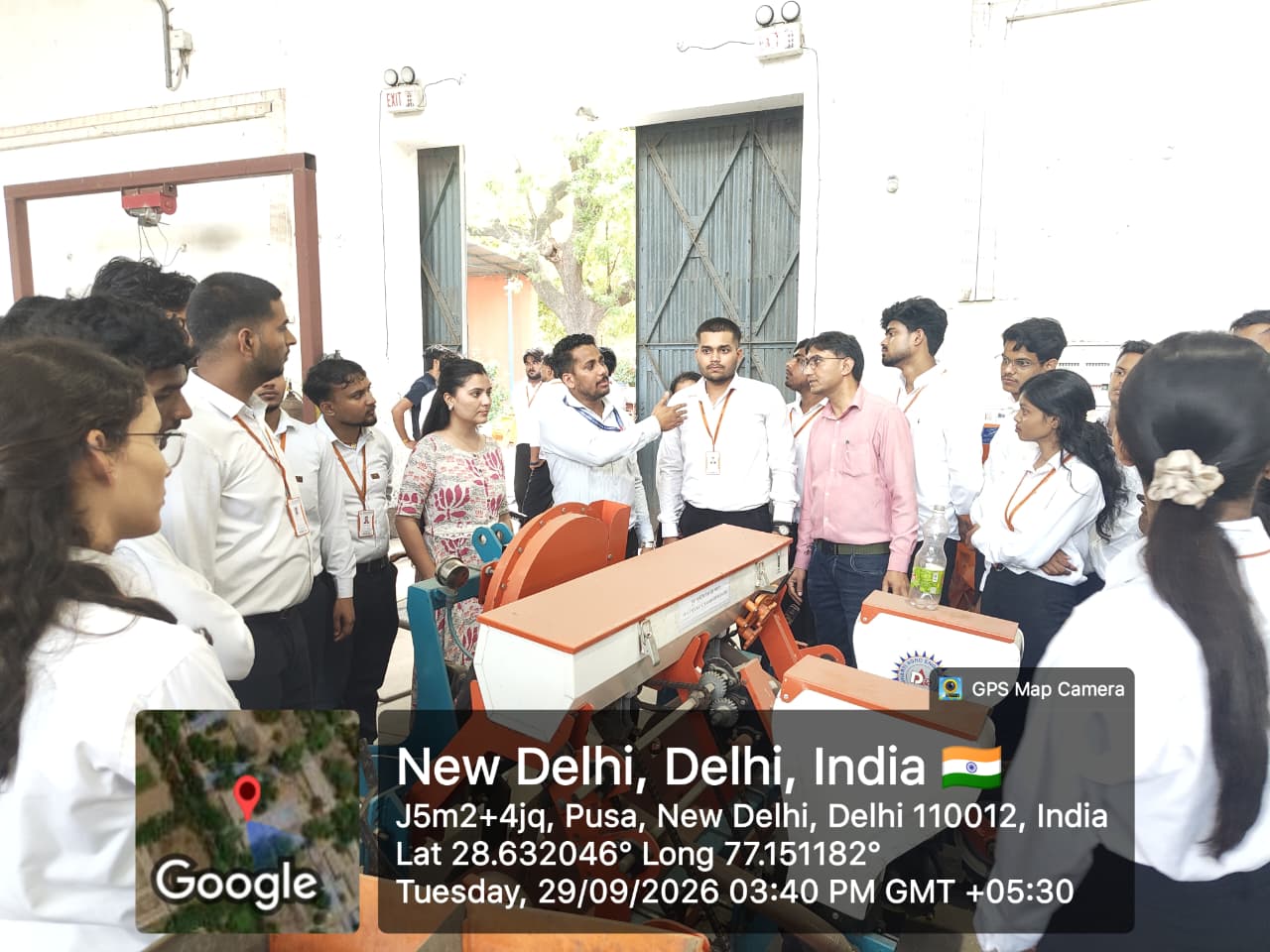
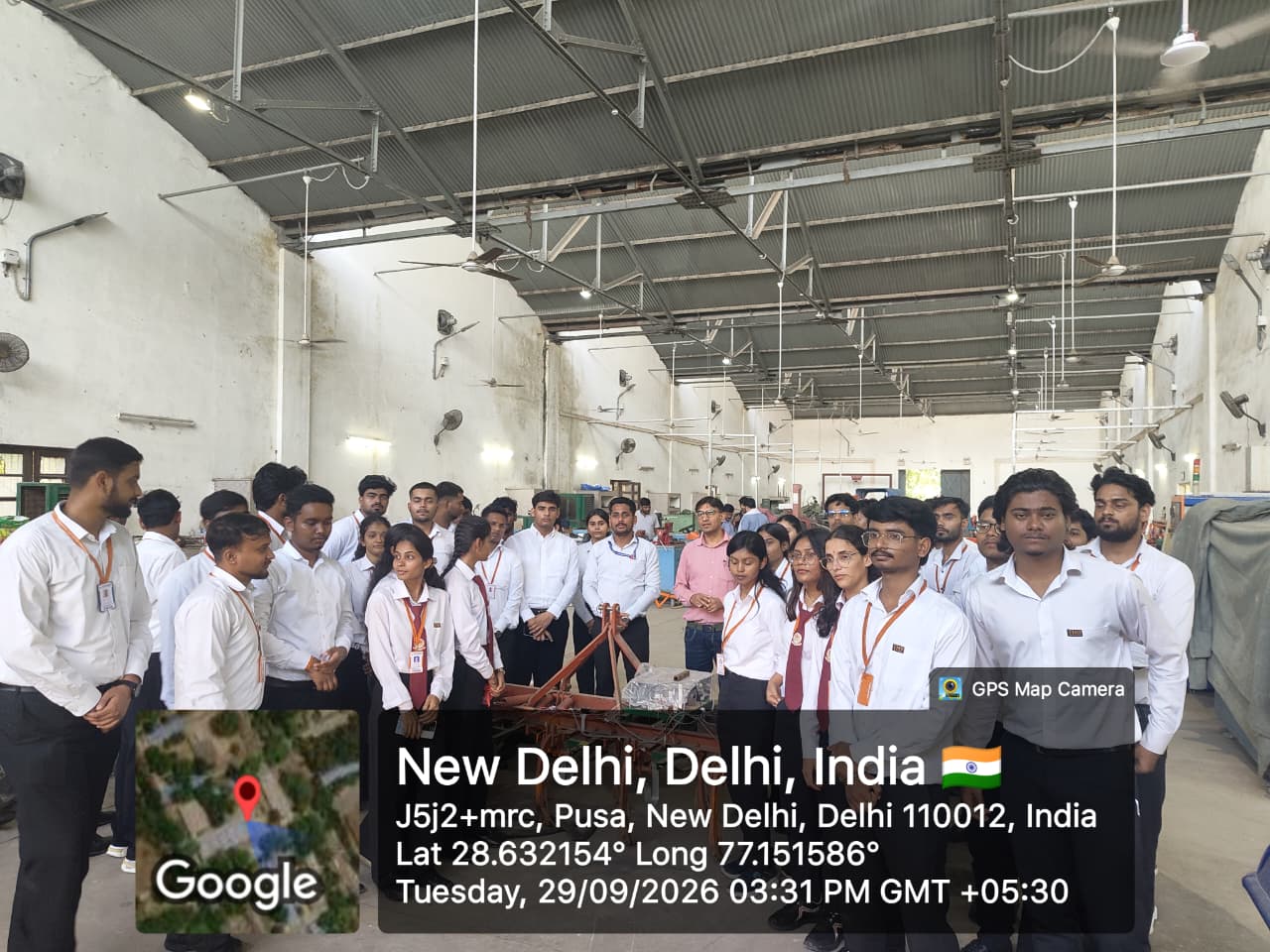
The interaction with the technical environment broadened students’ understanding of the relationship between agricultural sciences and engineering. It also highlighted the importance of technological advancements in addressing practical farming challenges and improving the efficiency of agricultural production systems. The educational visit aligns with SDG 2: Zero Hunger, particularly through its focus on agricultural mechanization, improved farming efficiency, and technological development in agriculture.
12. Students Visiting Agriculture Machinery Expo
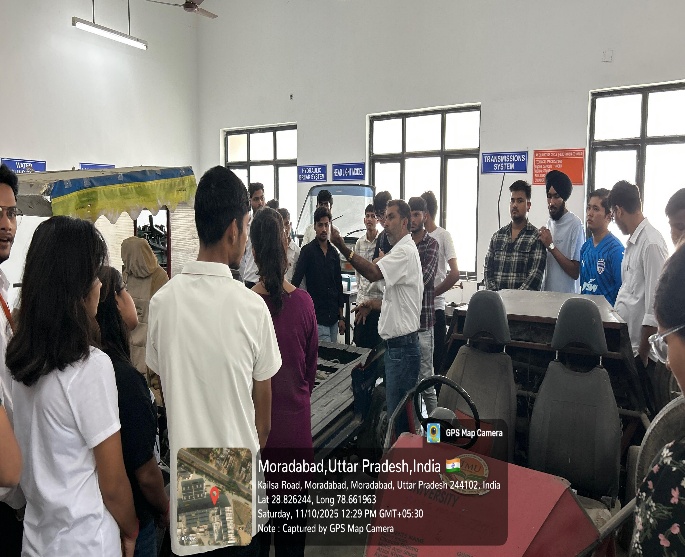
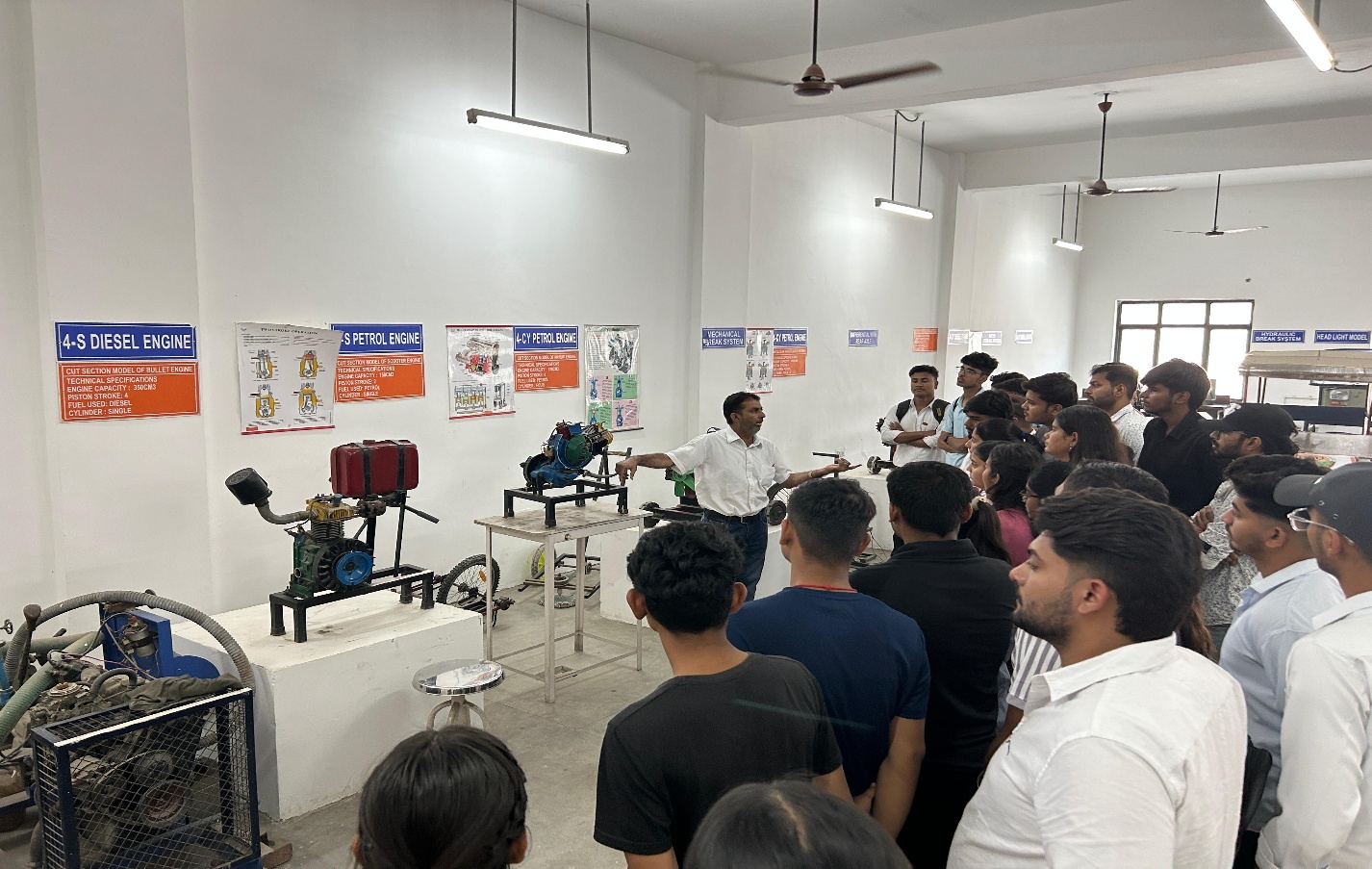
Teerthanker Mahaveer College of Agriculture Sciences, Teerthanker Mahaveer University (TMU), organized an educational visit to an Agricultural Machinery Expo for its undergraduate and postgraduate students. The visit aimed to familiarize students with the latest machinery and technological advancements used in modern farming. Students interacted with industry experts and learned about four-stroke diesel engines, four-cylinder petrol engines, and various accessories used in day-to-day agricultural operations. They also interacted with participating farmers and gained insights into practical farming methods and field-level challenges.
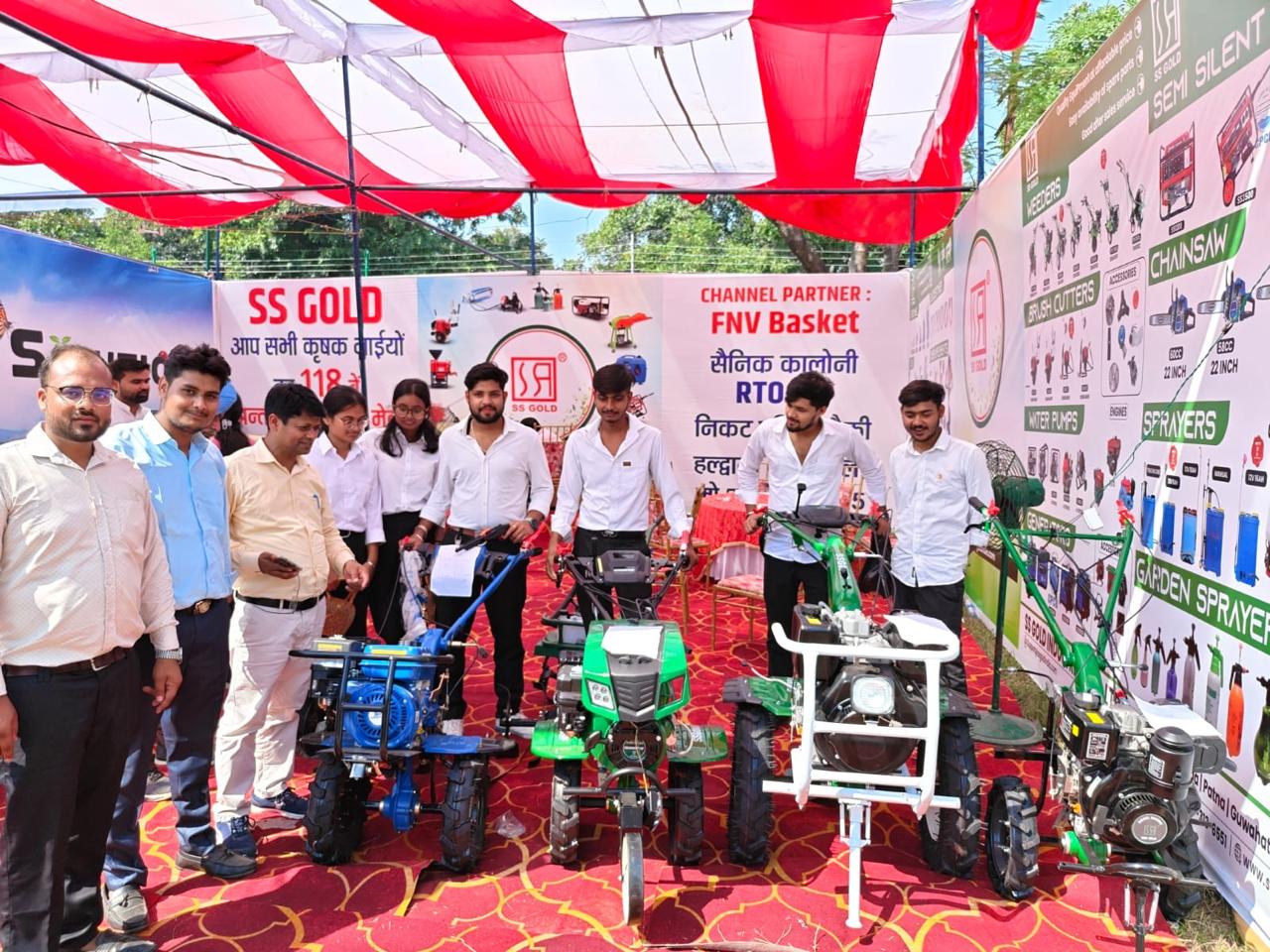
The visit provided valuable experiential learning by connecting classroom knowledge with agricultural technologies and contemporary farming practices. It enhanced students’ understanding of farm machinery, mechanization, and technological developments in agriculture, supporting their academic learning in accordance with the prescribed curriculum. The activity aligns with SDG 2: Zero Hunger by promoting awareness of agricultural innovations and mechanization that can support efficient farm operations, improved productivity, and sustainable food production.
11. Academic Initiatives by Agriculture College
TMU Medicinal Garden-A Living Resource for Biodiversity, Learning & Sustainable Well-being
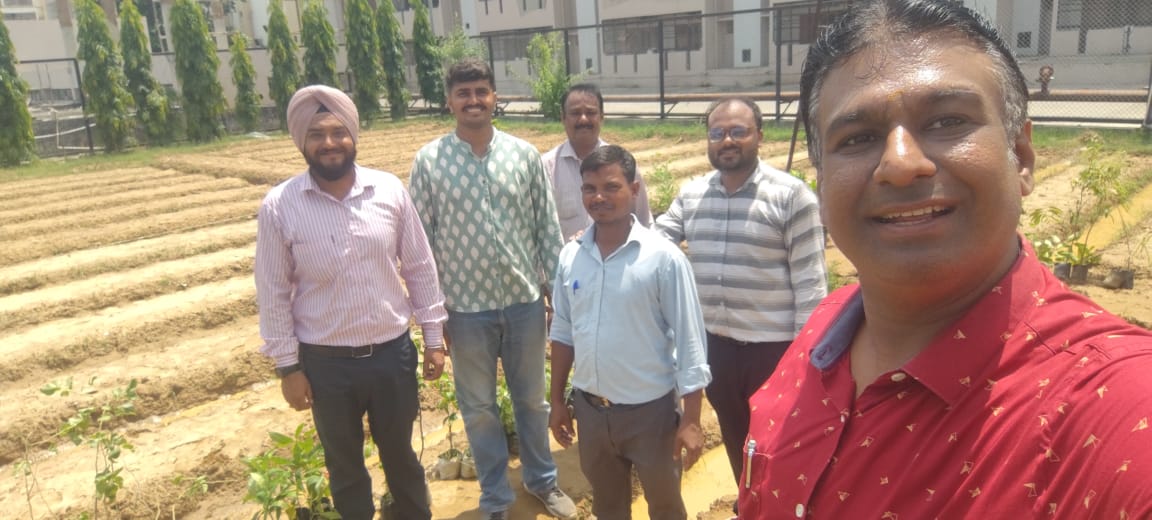
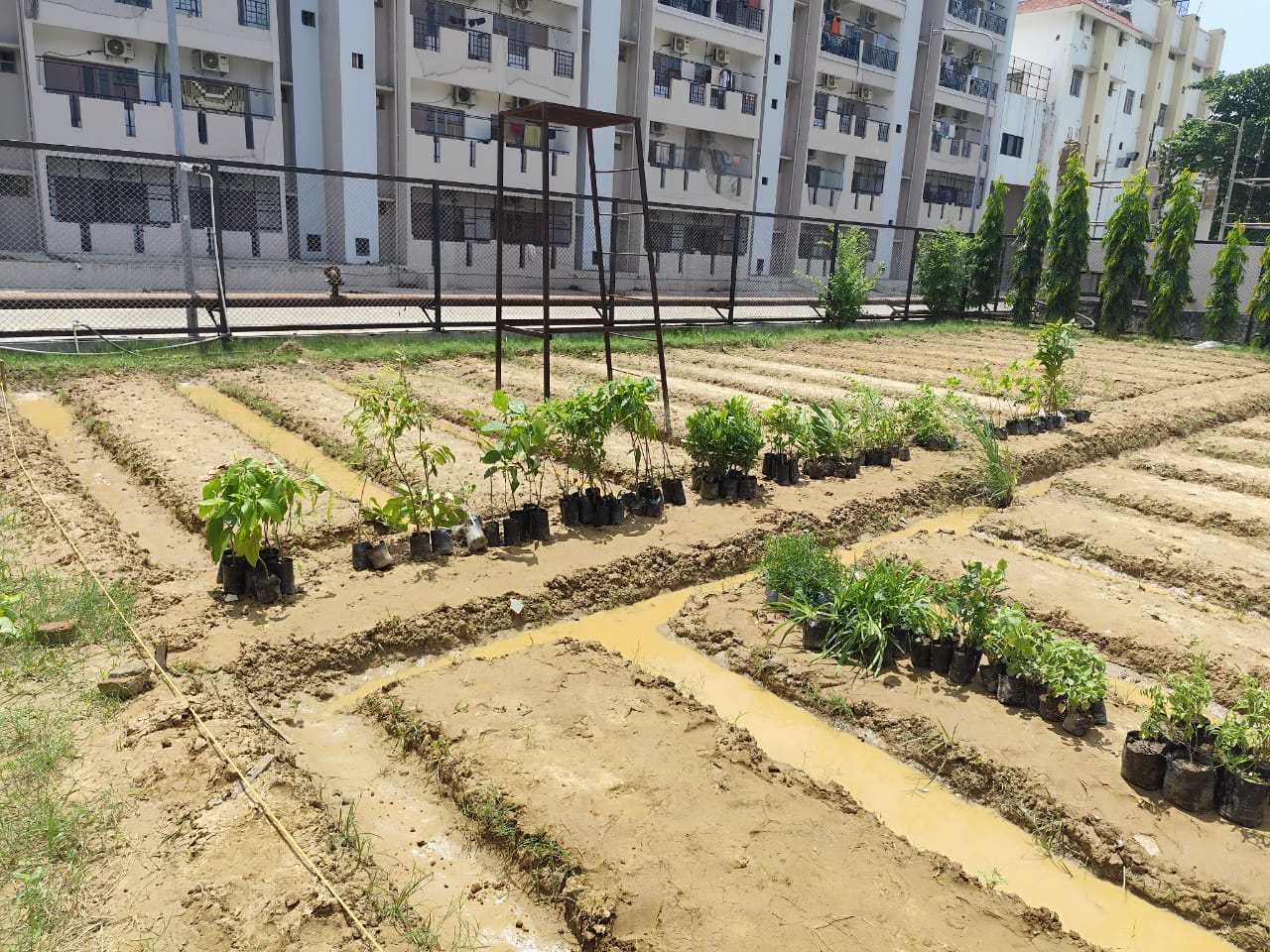
Teerthanker Mahaveer University (TMU) maintains a medicinal garden featuring 50 plant species documented in the University’s herbal-garden plant list. The collection includes herbs, shrubs and trees recognized in traditional knowledge systems and botanical study. Species such as Tulsi, Neem, Ashwagandha, Amla, Aloe Vera, Turmeric and Brahmi provide opportunities to explore plant diversity and traditional uses. The garden can support experiential learning through plant identification, botanical observation and awareness of medicinal and aromatic plants. It also highlights the importance of conserving plant resources and respecting biodiversity. By bringing living plant specimens into an educational setting, the garden connects classroom learning with environmental awareness. The initiative supports the broader sustainability agenda through biodiversity appreciation, conservation education and responsible engagement with natural resources. The inventory below presents all 50 plant names with the botanical names and attributes recorded on the supplied name-plate list.
Inventory of 50 Medicinal Plant Species
| S.No. | Common Name | Botanical Name | Uses/Attributes |
|---|---|---|---|
| 1 | Ashwagandha | Withania somnifera | Immunomodulator; anti-inflammatory; anti-stress |
| 2 | Tulsi | Ocimum tenuiflorum | Antimicrobial; anti-inflammatory; respiratory support |
| 3 | Lemongrass | Cymbopogon citratus | Carminative; antimicrobial; digestive support |
| 4 | Ajwain | Trachyspermum ammi | Carminative; antispasmodic; digestive aid |
| 5 | Cardamom | Elettaria cardamomum | Carminative; digestive aid; antioxidant |
| 6 | Aloe vera | Aloe vera | Wound healing; soothing; anti-inflammatory |
| 7 | Papaya | Carica papaya | Digestive aid; proteolytic enzyme source |
| 8 | Clove | Syzygium aromaticum | Analgesic; antiseptic; dental pain relief |
| 9 | Giloy | Tinospora cordifolia | Immunomodulator; anti-inflammatory; antipyretic |
| 10 | Sadabahar | Catharanthus roseus | Source of vinca alkaloids; listed for anticancer research |
| 11 | Turmeric | Curcuma longa | Anti-inflammatory; antioxidant |
| 12 | Pudina | Mentha spicata | Carminative; antispasmodic; digestive aid |
| 13 | Neem | Azadirachta indica | Antimicrobial; skin care; insecticidal |
| 14 | Senna | Cassia angustifolia | Stimulant laxative; constipation |
| 15 | Ginger | Zingiber officinale | Antiemetic; carminative; digestive aid |
| 16 | Coriander | Coriandrum sativum | Carminative; digestive aid |
| 17 | Fennel | Foeniculum vulgare | Carminative; antispasmodic; digestive aid |
| 18 | Arjun | Terminalia arjuna | Cardioprotective; cardiovascular support |
| 19 | Amla | Phyllanthus emblica | Antioxidant; tonic; vitamin C source |
| 20 | Garlic | Allium sativum | Cardiovascular support; antimicrobial |
| 21 | Bael | Aegle marmelos | Antidiarrhoeal; digestive aid |
| 22 | Digitalis | Digitalis purpurea | Cardiotonic; source of cardiac glycosides |
| 23 | Cinnamon | Cinnamomum zeylanicum | Carminative; antimicrobial |
| 24 | Guava | Psidium guajava | Antidiarrhoeal; antimicrobial |
| 25 | Lemon | Citrus limon | Vitamin C source; antioxidant |
| 26 | Hibiscus | Hibiscus rosa-sinensis | Hair care; demulcent |
| 27 | Brahmi | Bacopa monnieri | Memory support; nootropic |
| 28 | Shankhpushpi | Convolvulus pluricaulis | Nervine; memory support |
| 29 | Kalmegh | Andrographis paniculata | Antipyretic; hepatoprotective; respiratory support |
| 30 | Isabgol | Plantago ovata | Bulk-forming laxative; constipation |
| 31 | Mulethi | Glycyrrhiza glabra | Demulcent; expectorant; cough relief |
| 32 | Shatavari | Asparagus racemosus | Female reproductive tonic; adaptogenic |
| 33 | Punarnava | Boerhavia diffusa | Diuretic; anti-inflammatory |
| 34 | Bhringraj | Eclipta prostrata | Hair and scalp care; hepatoprotective |
| 35 | Safed Musli | Chlorophytum borivilianum | Rejuvenative; vitality support |
| 36 | Vasaka | Justicia adhatoda | Expectorant; bronchodilator |
| 37 | Haritaki | Terminalia chebula | Mild laxative; digestive tonic |
| 38 | Bibhitaki | Terminalia bellirica | Expectorant; digestive support |
| 39 | Ashoka | Saraca asoca | Female reproductive health; menstrual support |
| 40 | Guggul | Commiphora wightii | Lipid metabolism support; anti-inflammatory |
| 41 | Sarpagandha | Rauvolfia serpentina | Antihypertensive; sedative |
| 42 | Nirgundi | Vitex negundo | Anti-inflammatory; analgesic |
| 43 | Karanja | Pongamia pinnata | Antimicrobial; traditional skin care |
| 44 | Henna | Lawsonia inermis | Digestive support; anti-inflammatory |
| 45 | Stevia | Stevia rebaudiana | Natural non-caloric sweetener |
| 46 | Curry Leaves | Murraya koenigii | Digestive aid; nutritional support |
| 47 | Bhui Amla | Phyllanthus niruri | Hepatoprotective; diuretic; kidney-stone support as stated |
| 48 | Chitrak | Plumbago zeylanica | Digestive stimulant; metabolic catalyst; uterine stimulant |
| 49 | Jamun | Syzygium cumini | Blood-glucose support; astringent |
| 50 | Gokhru | Tribulus terrestris | Diuretic; kidney/urinary support as stated |
Note: The listed uses are descriptive information, not medical advice or a recommendation for self-medication.
Courses Taught at College of Agriculture Sciences Aligned with SDG-02
Teerthanker Mahaveer University (TMU), through its College of Agriculture Sciences, offers undergraduate, postgraduate, and doctoral programmes in agriculture. The academic curriculum follows the guidelines and recommendations of the Sixth Deans’ Committee of the Indian Council of Agricultural Research (ICAR). Students gain theoretical knowledge through classroom teaching and laboratory sessions, complemented by practical field exposure and hands-on training through the Experiential Learning Programme (ELP), which forms part of the prescribed curriculum. The College also organizes guest lectures and expert talks on subjects related to crop production, sustainable farming practices, agricultural innovations, and emerging challenges in modern agriculture.
These academic and practical learning opportunities align with SDG 2: Zero Hunger by developing students’ knowledge and skills in crop production, agricultural technologies, and sustainable farming practices. The curriculum, discipline-specific elective courses, and ELP activities provide opportunities to understand approaches relevant to improving agricultural productivity, promoting responsible resource management, and strengthening sustainable food production systems. The programmes offered by the College, together with their discipline-specific electives and ELP courses, are summarized in the table below.
Courses on Bachelor of Agriculture Programme
| S. No. | Course Type | Course Code | Course Title |
|---|---|---|---|
| 1 | SEC | BAGSE250151 | Biofertlizer and biopesticide production |
| 2 | SEC | BAGSE250152 | Mushroom production technology |
| 3 | MDC | BAGMD250101 | Farming based livelihood systems |
| 4 | CC | BAGCC250101 | Rural Sociology and Educational Psychology |
| 5 | CC | BAGCC250102 | Fundamentals of Agronomy |
| 6 | CC | BAGCC250103 | Fundamentals of Soil Science |
| 7 | CC | BAGCC250104 | Fundamentals of Horticulture |
| 8 | SEC | BAGSE250251 | Seed Production Technology |
| 9 | SEC | BAGSE250252 | Post-harvest processing technology |
| 10 | VAC | BAGVA250201 | Environmental Studies and Disaster Management |
| 11 | CC | BAGCC250201 | Soil Fertility Management |
| 12 | CC | BAGCC250202 | Fundamentals of Entomology |
| 13 | CC | BAGCC250203 | Livestock and Poultry Management |
| 14 | CC | BAGCC250204 | Fundamentals of Plant Pathology |
| 15 | SEC | BAGSE250351 | Beneficial insect farming |
| 16 | MDC | BAGMD250301 | Entrepreneurship Development and Business Communication |
| 17 | CC | BAGCC250301 | Principles of Genetics |
| 18 | CC | BAGCC250302 | Crop Production Technology-I (Kharif crops) |
| 19 | CC | BAGCC250303 | Production Technology of Fruit and Plantation Crops |
| 20 | CC | BAGCC250305 | Fundamentals of Nematology |
| 21 | CC | BAGCC250306 | Principles and Practices of Natural Farming |
| 22 | SEC | BAGSE250451 | Horticulture Nursery Management |
| 23 | VAC | BAGVA250401 | Agricultural Informatics and Artificial Intelligence |
| 24 | CC | BAGCC250401 | Production Technology of Vegetables and Spices |
| 25 | CC | BAGCC250402 | Principles of Agricultural Economics and Farm Management |
| 26 | CC | BAGCC250403 | Crop Production Technology-II (Rabi Crops) |
| 27 | CC | BAGCC250404 | Farm Machinery and Power |
| 28 | CC | BAGCC250405 | Water Management |
| 29 | CC | BAGCC250406 | Problematic Soils and their management |
| 30 | CC | BAGCC250407 | Basics of Plant Breeding |
| 31 | CC | BAGCC250501 | Introduction to Agro-meteorology |
| 32 | CC | BAGCC250502 | Fundamentals of Crop Physiology |
| 33 | CC | BAGCC250503 | Pest management in Crops and Stored Grains |
| 34 | CC | BAGCC250504 | Diseases of Field & Horticultural Crops & their Management |
| 35 | CC | BAGCC250505 | Crop Improvement (kharif crops) - I |
| 36 | CC | BAGCC250506 | Weed Management |
| 37 | CC | BAGCC250507 | Ornamental Crops, MAPs and Landscaping |
| 38 | CC | BAGCC250508 | Introductory Agro forestry |
| 39 | CC | BAGCC250601 | Fundamentals of Agri Biotechnology |
| 40 | CC | BAGCC250602 | Basic and Applied Agri Statistics |
| 41 | CC | BAGCC250603 | Crop Improvement (Rabi crops) - II |
| 42 | CC | BAGCC250604 | Renewable energy in Agriculture and Allied Sector |
| 43 | CC | BAGCC250605 | Dryland agriculture/ Rainfed agriculture and watershed management |
| 44 | CC | BAGCC250606 | Agricultural Microbiology and Phyto -remediation |
| 45 | CC | BAGCC250607 | Agricultural Finance & Cooperation |
| 46 | CC | BAGCC250608 | Essentials of Plant Biochemistry |
| 47 | CC | BAGCC250609 | Fundamentals of Seed Science & Technology |
Discipline Specific Elective Courses
| S. No. | Course Type | Course Code | Course Title |
|---|---|---|---|
| 1 | DSEC | BAGDS250701 | Agri-Business Management |
| 2 | DSEC | BAGDS250702 | Management of natural resources |
| 3 | DSEC | BAGDS250703 | Agrochemicals |
| 4 | DSEC | BAGDS250704 | Agricultural Journalism |
| 5 | DSEC | BAGDS250705 | Landscaping |
| 6 | DSEC | BAGDS250706 | Commercial Plant breeding |
| 7 | DSEC | BAGDS250707 | Food safety and standards |
| 8 | DSEC | BAGDS250708 | Bioformulation and Nano formulation |
| 9 | DSEC | BAGDS250709 | Biopesticides and Biofertilizers |
| 10 | DSEC | BAGDS250710 | System Simulation and Agro advisory |
| 11 | DSEC | BAGDS250711 | Hi-tech Horticulture |
| 12 | DSEC | BAGDS250712 | Protected cultivation |
| 13 | DSEC | BAGDS250713 | Climate Resilient Agriculture |
| 14 | DSEC | BAGDS250714 | Biotechnology of Crop Improvement |
| 15 | DSEC | BAGDS250715 | Geoinformatics and Remote Sensing, precision farming |
| 16 | DSEC | BAGDS250716 | Micro-propagation Technologies |
| 17 | DSEC | BAGDS250717 | Commercial Seed Production |
| 18 | DSEC | BAGDS250718 | Principles and Practices of Organic Farming/ Conservation Agriculture |
| 19 | DSEC | BAGDS250719 | Food Science and Nutrition |
| 20 | DSEC | BAGDS250720 | Post-Harvest Technology and Value Addition |
Courses under Experiential Learning Programme (ELP)
| Sr. No. | Course Type | Course Code | Course Title |
|---|---|---|---|
| 1 | SEC | BAGSE250852 | Production Technology for Bioagents and Biofertilizer |
| 2 | SEC | BAGSE250853 | Mushroom Cultivation Technology |
| 3 | SEC | BAGSE250854 | Commercial Horticulture |
| 4 | SEC | BAGSE250855 | Food Processing |
| 5 | SEC | BAGSE250856 | Production Technology of Vermicompost |