




2.5.3 - University Access to Local Farmers & Food Producers
- Organized regular university–farmer interaction programmes such as field visits, farmer–scientist interactions and village-level extension camps to provide farmers with direct access to agricultural knowledge and expertise.
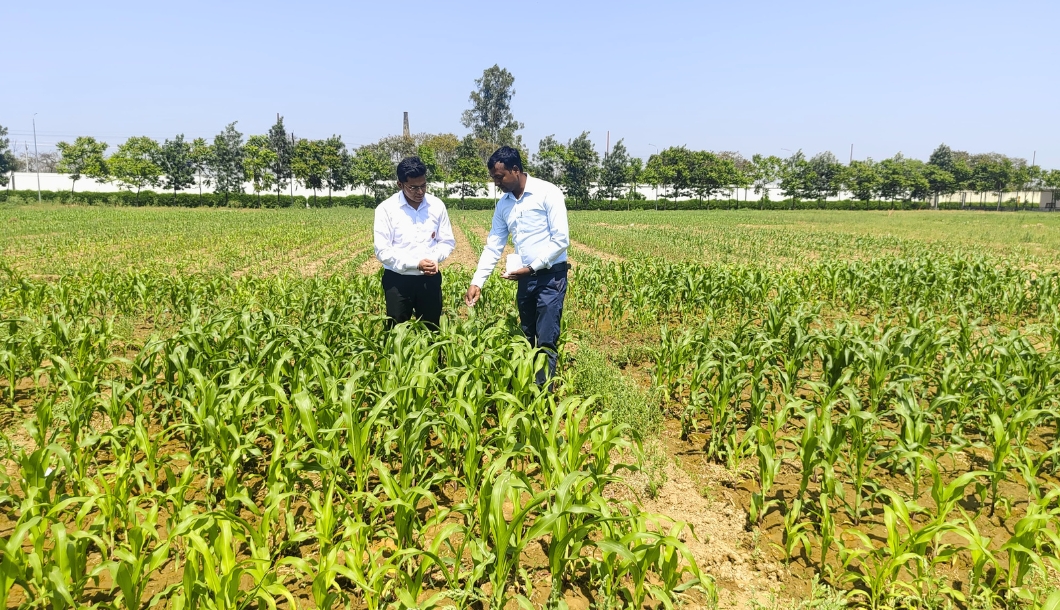
- Created field demonstration on the university campus and at adopted villages to demonstrate improved varieties, climate-resilient crops, efficient irrigation, integrated nutrient management and pest management, and post-harvest technologies.
- Facilitated access to soil testing, plant health diagnosis, seed/planting material information and advisory services through university departments and agriculture department of Uttar Pradesh government, laboratories and extension units.
- Using mobile-based advisories such as WhatsApp groups, and local-language information materials to transfer timely technologies and recommendations to food producers.
1. Mushroom cultivation - rural farmer outreach - Evidence
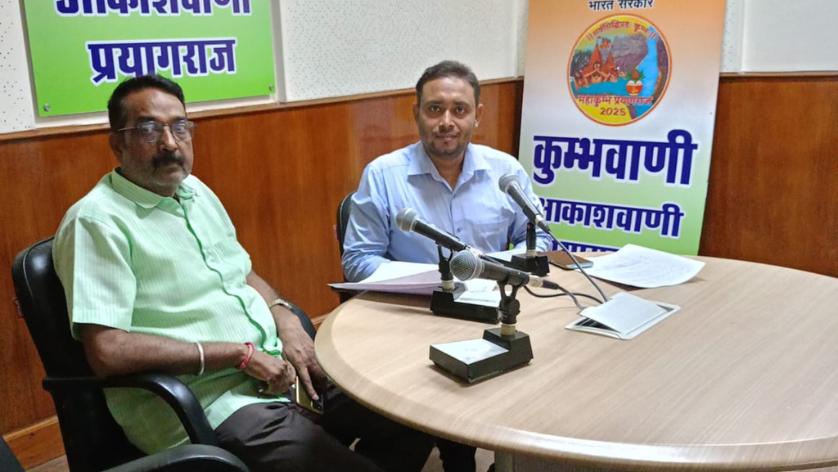
In May 2025, TMU faculty member Dr Amit Kumar Maurya participated in an All India Radio/Akashvani agricultural programme on scientific mushroom cultivation. The intended audience included farmers, agri-entrepreneurs and rural youth. The programme addressed quality spawn production, enriched substrates, controlled environmental conditions, harvesting, post-harvest management, farmer income diversification, nutrition and sustainable mushroom farming.
2. Scientific Sugarcane Cultivation & Advanced Vegetable Production Techniques Demonstrated to Farmers - Evidence
Farmers from Sambhal district visited the Agricultural Research Farm of Teerthanker Mahaveer College of Agriculture Sciences, Teerthanker Mahaveer University (TMU), Moradabad to learn about scientific sugarcane cultivation and advanced production techniques for various vegetables grown during the Rabi season. The objective of the visit was to familiarise farmers with modern agricultural practices and provide practical knowledge to improve crop production.
The farmers were urged to adopt scientific practices such as soil testing, the use of improved seeds, balanced nutrient management, water conservation, and integrated pest management. The farmers also observed various crops and vegetables being cultivated at the research farm and raised queries about the balanced use of fertilizers, crop management, and pest and disease control, receiving practical guidance from the experts.
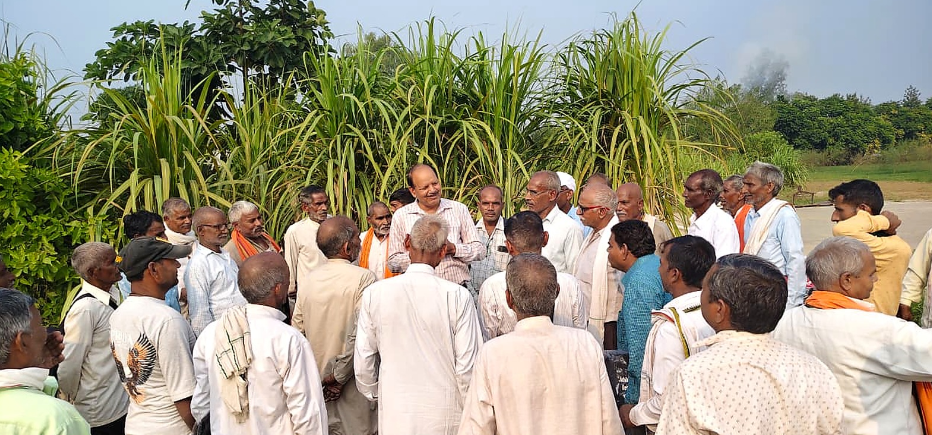
The faculty members of the college explained the selection of improved crop varieties, field preparation, use of healthy seeds, seed treatment, modern sowing methods, balanced fertilizer management, irrigation, weed control, and measures for preventing pests and diseases. Emphasis was also laid on adopting scientific techniques which can improve both the yield and quality of sugarcane. A brief discussion on cultivation techniques for important Rabi vegetables, including potatoes, peas, tomatoes, cauliflower, cabbage, and radish was also done with the farmers. The farmers received useful recommendations on appropriate sowing times, the selection of quality seeds and planting materials, proper spacing between plants, balanced nutrient application, water conservation, and crop protection. The farmers were encouraged to adopt modern agricultural practices which help farmers reduce production costs and obtain better-quality produce.
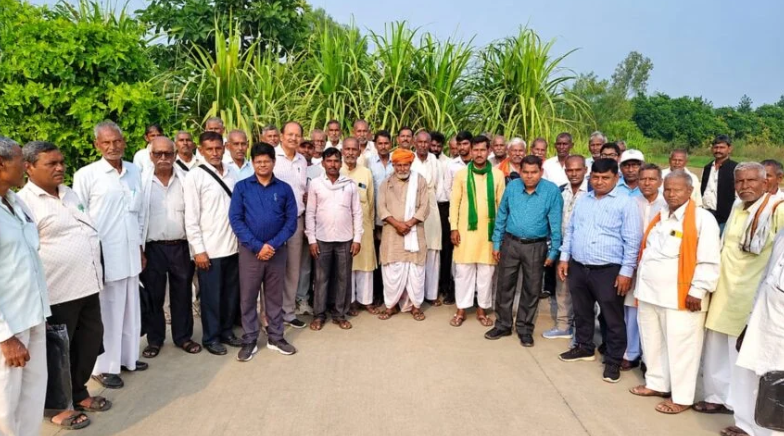
The participating farmers described the visit as informative and useful. They expressed their gratitude to the University and its agricultural experts for providing practical guidance. They also stated that the initiative could serve as an important step towards connecting farmers with modern agricultural technologies and encouraging scientific farming practices.