



Top Reasons to Choose Physiotherapy After 12th
Table of Contents
According to recent 2026 career reports, India’s physiotherapy market is growing at an estimated 15–20% annually, making it one of the fastest-growing allied healthcare professions.
The healthcare industry is one of the fastest-growing sectors that offers countless career opportunities for students. In 2026, healthcare is not just about hospitals and medicines; it includes rehabilitation, preventive care, fitness, wellness, telemedicine, and patient-centred recovery services. This transformation is creating a huge demand for allied healthcare professionals, particularly physiotherapists.
What is Physiotherapy?
Physiotherapy is a healthcare profession that focuses on restoring, maintaining, and maximising movement and physical function. It helps reduce pain and improve mobility. Physiotherapy uses methods like therapeutic exercise and manual therapy to reduce pain. It is also known as physical therapy, which aims to improve the physical health of the individual.
Physiotherapists use scientific knowledge and clinical skills to assess, diagnose, and treat different physical issues. It is very helpful for people who are recovering from surgery, accidents, strokes, or long-term illnesses like arthritis, back pain, and paralysis. The therapies include manual therapy, therapeutic exercises, electrotherapy, and patient education.
Teerthanker Mahaveer University
Apply for Admission
Apply for Admission
Why Choose Physiotherapy as a Career?
If you are passionate about health, movement, and making a real impact in people’s lives, physiotherapy will be the perfect career choice for you. Choosing physiotherapy after 12th grade provides the perfect blend of medical science and hands-on patient care.
The career opportunities in physiotherapy are vast. It also offers specialisation in various fields, such as orthopaedics, neurology, sports medicine, paediatrics, geriatrics, and cardiopulmonary care. You can select a path that matches your interests. This field provides you with excellent career growth and stability.
Read More – Physiotherapy Courses: Eligibility, Fees, Admission, and Scope
Top Reasons to Choose Physiotherapy After 12th
Choosing physiotherapy after 12th is undoubtedly a wonderful career option, as it allows you to work closely with different age groups and backgrounds. It offers a wide range of career opportunities in diverse fields.
Job Security and Career Stability
Physiotherapy is considered one of the most stable and secure healthcare professions. The professionals in this field are free to work in public or in private health care. Moreover, they can establish their own practice or get specialised in such fields as sports, neurology, and paediatrics, or even switch to research and teaching.
Key Fact- A 2026 physiotherapy career report stated that the profession is expected to grow significantly over the next decade, with an estimated growth rate of 15–20% between 2023 and 2033.
Strong Career Growth and Global Demand
Physiotherapy is a rapidly growing sector. It offers strong career opportunities in both India and abroad. Now, the world has become highly health-conscious, and the need for workouts, exercise, and physical well-being is increasing. Hence, physiotherapists are highly in demand. Globally, physiotherapists are considered an essential part of healthcare systems.
Scope of Higher Studies and Research
Physiotherapy after 12th offers opportunities for higher studies and research. Physiotherapy graduates can pursue a postgraduate degree with specialisation in orthopaedics, neurology, sports, cardiorespiratory, paediatrics, geriatrics, or a PhD. With these advanced degrees, graduates can be involved in academia, clinical research, and healthcare policy, which gives worldwide credibility to their profession.
Opportunity for Specialisation
Physiotherapy offers a wide range of specialisations that enable professionals to focus on specific fields of patient care and enhance their professional knowledge, thereby creating more career opportunities. Upon acquiring greater skills, there are various specialisations available to the candidates, including orthopaedic physiotherapy, neurological physiotherapy, paediatric physiotherapy, and many others.
High Earning Potential
Choosing a career in physiotherapy after 12th offers you high earning potential. Now, it has become one of the most in-demand careers globally. Individuals who begin their careers at hospitals or rehabilitation centres receive stable salaries; those who work in consulting and practitioners in the private sector receive large amounts of money as they develop their customer base and reputation.
Top Job Roles and Salary After Physiotherapy
After completing a Bachelor of physiotherapy after 12th grade, students can explore many rewarding career opportunities-
| Job Role | Average Starting Salary | Experienced Salary |
| Clinical Physiotherapist | ₹2.5–4 LPA | ₹5–7 LPA |
| Sports Physiotherapist | ₹4–6 LPA | ₹8–10 LPA |
| Orthopaedic Physiotherapist | ₹3–5 LPA | ₹6–8 LPA |
| Neurological Physiotherapist | ₹4–5 LPA | ₹7–9 LPA |
| Pediatric Physiotherapist | ₹3–4 LPA | ₹5–6 LPA |
| Rehabilitation Specialist | ₹3.5–5 LPA | ₹6–7 LPA |
| Geriatric Physiotherapist | ₹3–4 LPA | ₹5–6 LPA |
| Physiotherapy Lecturer | ₹4–5 LPA | ₹6–8 LPA |
| Home Care Physiotherapist | ₹25,000–₹40,000/month | ₹60,000–₹80,000/month |
| Private Clinic Owner | ₹5–7 LPA | ₹10–15 LPA+ |
Highest Paying Physiotherapy Specialisations
| Specialisation | Average Salary Range |
| Sports Physiotherapy | ₹6–10 LPA |
| Neurological Physiotherapy | ₹5–9 LPA |
| Orthopaedic Physiotherapy | ₹5–8 LPA |
| Rehabilitation Therapy | ₹5–7 LPA |
| Private Practice | ₹10 LPA+ (depending on patient base) |
Top Recruiters for Physiotherapy Jobs in India
- Apollo Hospitals
- Fortis Healthcare
- Max Healthcare
- Manipal Hospitals
- Medanta
- Narayana Health
- AIIMS
- Sports academies and professional sports teams
- Rehabilitation and neurotherapy centres
- Fitness centres and wellness clinics
- Government hospitals and healthcare departments
- Medical colleges and universities
- Home healthcare service providers like Portea
- NGOs and community healthcare organisations
- Senior citizen care and rehabilitation centres
Key Facts and Statistics
- India’s rehabilitation equipment market reached USD 549.9 million in 2025 and is expected to grow to USD 1.23 billion by 2034.
- The Economic Survey 2025–26 reported that India’s healthcare demand is rapidly increasing due to chronic diseases and outpatient care growth.
Read More – Top Medical Courses After 12th: Career Paths & Average Salary
Is NEET Required for Physiotherapy After 12th?
Some universities may require NEET or follow admission guidelines issued by the relevant regulatory authorities. Candidates should check the latest admission requirements of the respective institution.
Turn Your Passion into Profession — TMU Physiotherapy
Pursuing Physiotherapy at Teerthanker Mahaveer University provides you with comprehensive academic excellence and practical experience. The Physiotherapy department at TMU has a curriculum that is aligned with current industry trends.
1. Diverse Clinical Exposure
At TMU, students of Physiotherapy gain extensive clinical experience via practical exposure. TMU has its own multi-speciality hospital and rehabilitation facilities where students get the opportunity to interact with a wide range of patients and real-life conditions.
2. Approved & Recognised
TMU's Physiotherapy programme is approved by the U.P. State Medical Faculty and recognised by UGC. This approved and recognised qualification is valid across India and widely accepted in hospitals and other healthcare organisations.
3. Practical-Oriented Learning
Students learn using industry-relevant teaching methods that help them develop professional skills and practical knowledge required in the healthcare sector. One of the major advantages is the availability of extensive practical training opportunities through the university’s own multi-speciality hospital, which includes both OPD and IPD facilities.
4. Advanced Infrastructure
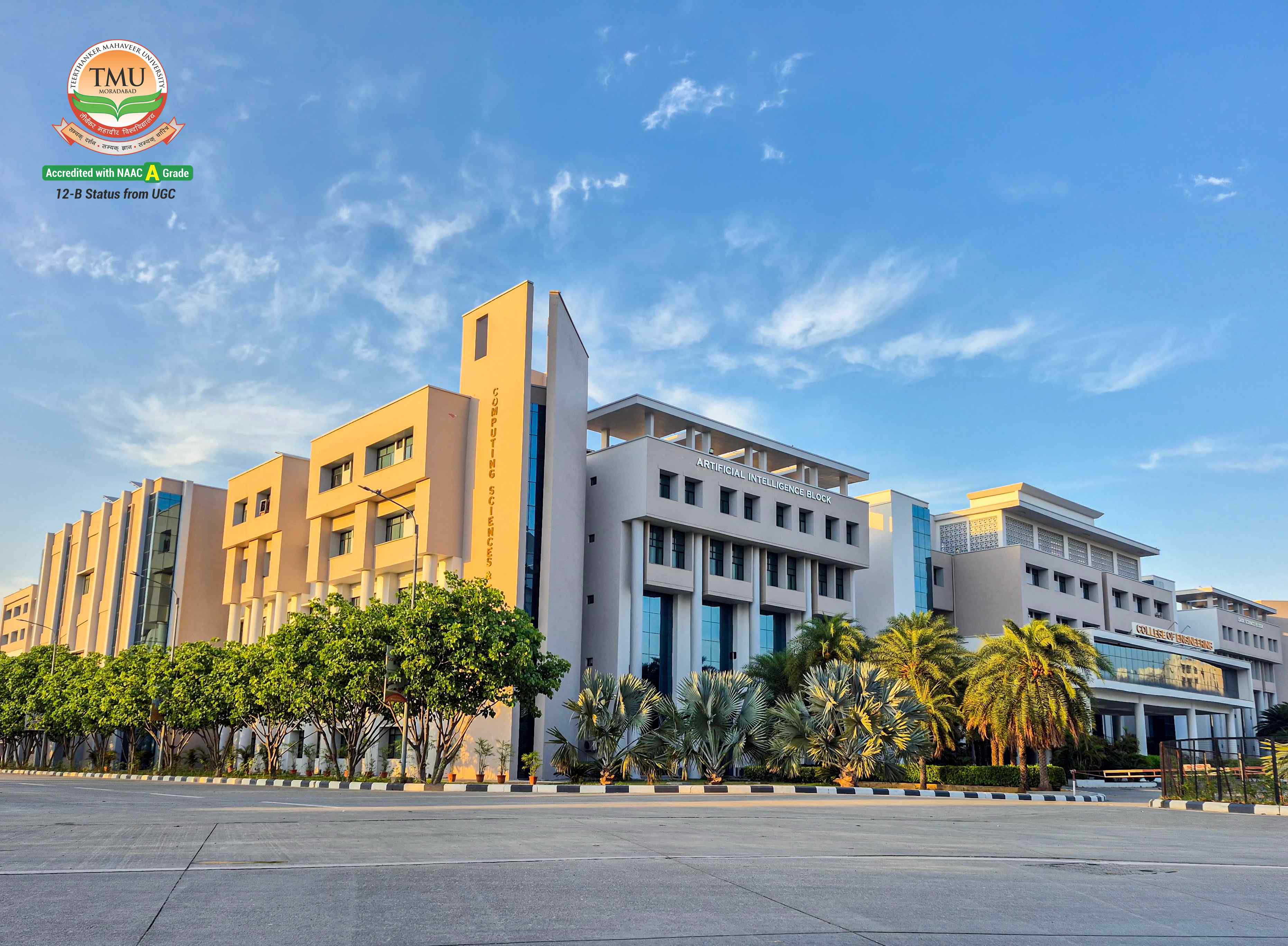
Students have access to state-of-the-art laboratories, modern classrooms, and advanced learning facilities that support both academic and practical training. The university’s associated super-speciality hospital also provides extensive clinical exposure, allowing students to gain real-world healthcare experience in a professional medical environment.
5. Clinical Exposure and Community Outreach
TMU encourages learning beyond classrooms through health campaigns, rural visits, and awareness programmes that help students understand patient needs and promote preventive healthcare. Students also receive hands-on training at TMU Hospital with real-time exposure to patients and professional healthcare environments.
6. Placement and Internship Opportunities
TMU provides strong placement and internship opportunities to help students gain industry exposure and build successful healthcare careers. Students receive practical training through hospital internships, clinical postings, and industry interactions, which enhance their professional skills and real-world experience.
TMU’s Comprehensive Physiotherapy Programme
Undergraduate Programme (BPT)
- Course full name: Bachelor of Physiotherapy
- Duration: 4.5 years
- Eligibility: Candidates who have completed their Intermediate with PCB (Science Stream), English, and have qualified for NEET are eligible to enrol in the programme.
Postgraduate Programme (MPT)
- Course full name: Master of Physiotherapy
- Duration: 2 years
- Specialisation: Orthopaedics, Neurosciences, Cardiopulmonary, Sports, Paediatrics, Gynaecology & Obstetrics
- Eligibility: Applicants must have completed a BSc (PT)/BPT/BPT through the Bridge Course or through lateral entry with a minimum of 50% marks.
- Internship: 6-month internship
Admission Process
How to Apply
- You can apply online through the official admission page of TMU.
- Finish the application form and fill out the information.
- Upload required documents
- After successfully applying, the TMU Admission Cell will coordinate with you.
- Pay the admission fee and confirm your seat
Required Documents
- Self-attested copies of all educational certificates.
- Supporting certificate for any relaxation in the eligibility criteria.
Conclusion
Choosing physiotherapy after 12th is an excellent career decision for students interested in healthcare, rehabilitation, and patient care. With increasing demand, strong career growth, global opportunities, and high earning potential, physiotherapy has become one of the most promising healthcare professions in India.
Pursuing a BPT course after 12th from a reputed university like TMU can help students build successful and rewarding careers in the healthcare industry.
FAQ
Q1. Why should I choose Physiotherapy as a career?
Ans. Physiotherapy is a healthcare profession that helps people improve movement, manage pain and recover from injuries or physical conditions. It offers opportunities to work in hospitals, rehabilitation centres, sports clinics and private practices.
Q2. Is Physiotherapy a good career option?
Ans. Yes, Physiotherapy can be a suitable career for students interested in healthcare, rehabilitation, exercise science and patient care. Career opportunities depend on qualifications, skills and professional experience.
Q3. What skills are required to become a physiotherapist?
Ans. Important skills include communication, empathy, problem-solving, patience, clinical reasoning and an understanding of human anatomy and movement.
Q4. Can Physiotherapists work in sports and fitness?
Ans. Yes, physiotherapists can work with athletes and fitness professionals to support injury rehabilitation, movement improvement and injury prevention.
Q5. What is the scope of Physiotherapy in healthcare?
Ans. Physiotherapy plays an important role in musculoskeletal rehabilitation, neurological care, cardiopulmonary rehabilitation, sports injury management and recovery after surgery.
This content gives an overview of the programme and is for educational purposes only. For updated admission guidelines and counselling support, please connect with our Counsellor Team.