



BPT Course Details, Full Form, Admission, Fees, Syllabus, Top Colleges, Career
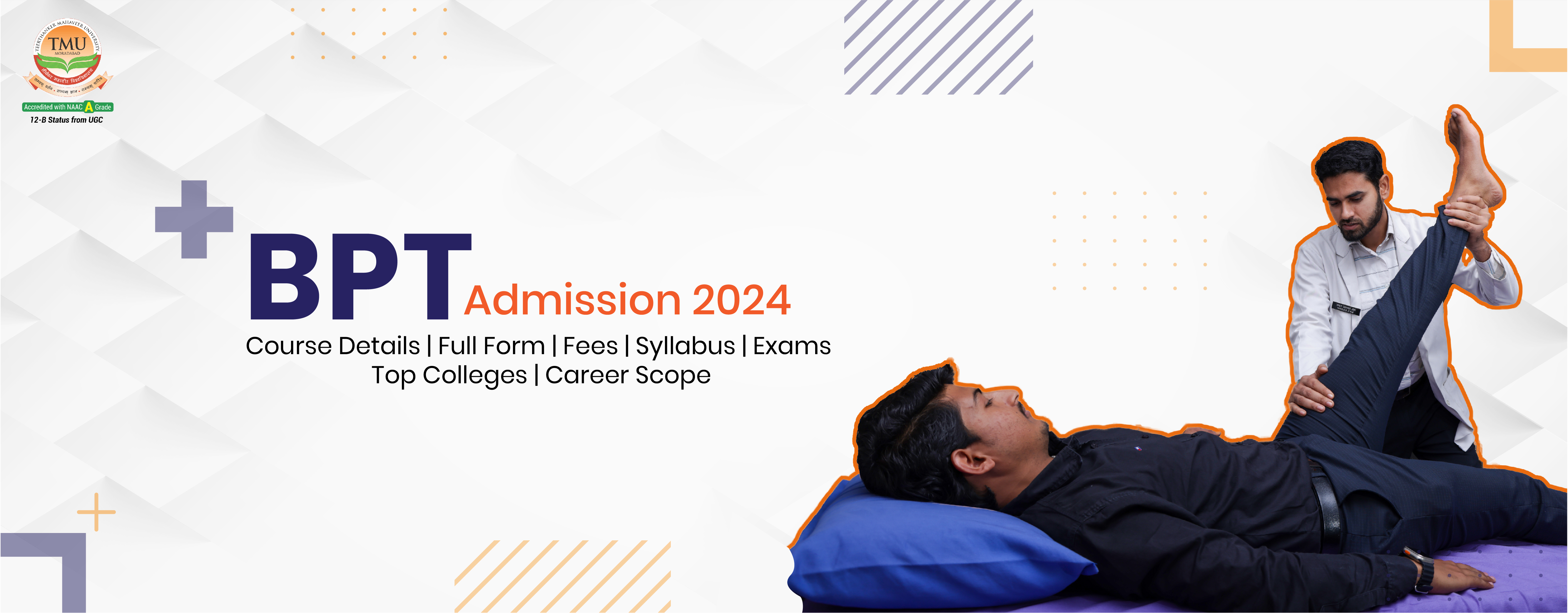
Table of Contents
Bachelor of Physiotherapy (BPT) is a 4.5-year undergraduate healthcare programme that prepares students to assess, diagnose, treat, and prevent physical disabilities, movement disorders, sports injuries, and neurological conditions through evidence-based physiotherapy techniques. The programme includes 4 years of academic learning and a mandatory 6-month clinical internship, providing practical exposure in hospitals, rehabilitation centres, sports clinics, and healthcare facilities.
With the growing demand for rehabilitation services, fitness awareness, and post-surgical recovery, BPT has emerged as one of the most promising healthcare careers in India. This guide covers everything you need to know about the BPT course, including eligibility, admission process, NEET requirement, syllabus, fees, career opportunities, salary, specialisations, top colleges, and future scope.
Understanding the BPT Full Form
The full form of the BPT programme is Bachelor of Physiotherapy. The programme is designed to prepare candidates to work as professional physiotherapists in clinics, hospitals, rehabilitation centres, sports facilities and wellness centres. The curriculum of this course includes a blend of theoretical knowledge and practical training in areas such as anatomy, physiology, biomechanics, exercise therapy, and rehabilitation.
Teerthanker Mahaveer University
Apply for Admission
Apply for Admission
BPT Course Highlights
| Particular | Details |
| Course Name | Bachelor of Physiotherapy (BPT) |
| Full Form | Bachelor of Physiotherapy |
| Duration | 4 Years + 6 Months Internship |
| Course Level | Undergraduate |
| Eligibility | 10+2 with PCB |
| Admission | NEET UG (as per applicable regulations) |
| Average Fees | ₹50,000–₹2,50,000 per year |
| Average Salary | ₹3–8 LPA |
| Higher Education | MPT, MBA Hospital Management, MPH |
| Job Roles | Physiotherapist, Sports Therapist, Rehabilitation Specialist |
Eligibility Criteria of BPT Programme
- Pass Class 12 from a recognised board.
- Physics, Chemistry and Biology are compulsory subjects.
- Minimum 50% aggregate marks (45% for reserved categories as per institutional norms).
- Must qualify for NEET UG if required under current admission regulations.
- Meet the age criteria specified by the institution or regulatory authority.
BPT Subjects & Syllabus
The Bachelor of Physiotherapy syllabus is designed to provide students with a strong foundation in medical sciences, rehabilitation techniques, and clinical practice.
Key Subjects You Will Study
- Human Anatomy
- Human Physiology
- Biochemistry
- Pathology & Microbiology
- Pharmacology
- Biomechanics
- Exercise Therapy
- Electrotherapy
- General Medicine
- General Surgery
- Orthopaedics & Sports Physiotherapy
- Neurological Physiotherapy
- Cardiorespiratory Physiotherapy
- Community Medicine & Rehabilitation
- Research Methodology & Biostatistics
- Ethics and Professional Practice
Clinical Training & Internship
A major highlight of the Bachelor of Physiotherapy programme is hands-on clinical training. Students gain practical experience through hospital postings, patient assessment, rehabilitation planning, and supervised physiotherapy sessions. The course concludes with a mandatory six-month rotatory internship, allowing students to work across multiple specialities and develop real-world clinical skills before entering professional practice.
Read More: Physiotherapy Courses: Eligibility, Fees, Admission and Scope
BPT Admission Process
- Submit Application: Fill out the online/offline application form. Enter personal, academic, and contact details accurately.
- Entrance Exam: Candidates are required to appear for the entrance exam for BPT admission.
- Merit List or Counselling: Shortlisted candidates are invited for counselling or seat allocation. Seats are allotted based on merit and entrance exam performance.
- Document Verification: Candidates must submit original documents for verification, including: Class 10 & 12 mark sheets and certificates, valid ID proof and passport-size photographs.
- Confirm Admission: Pay the admission fee within the specified deadline and complete the enrolment formalities.
BPT Entrance Exam
Here are some of the most common BPT entrance exams in India:
- National Entrance Exam (NEET)
- Common University Entrance Test (CUET)
- State-Level Entrance Exams
- University-Specific Entrance Exams
Note: NEET-UG is now mandatory for admission to BPT programmes in India under the latest admission guidelines announced by the National Commission for Allied and Healthcare Professions (NCAHP) in January 2026. Candidates must appear for NEET to be eligible for admission, although universities may have their own counselling and seat allocation processes.
Career Scope After BPT
Graduates can pursue careers in:
- Multi-speciality Hospitals
- Government Hospitals
- AIIMS
- Sports Authority of India
- Rehabilitation Centres
- Orthopaedic Clinics
- Neurology Centres
- NGOs
- Corporate Wellness Companies
- Fitness Centres
- Defence Hospitals
- Home Healthcare Services
- Private Practice
- Tele-Rehabilitation Platforms
Higher Studies Options After BPT
Students can pursue:
- Master of Physiotherapy (MPT)
- MBA in Hospital Administration
- Master of Public Health (MPH)
- MSc Sports Science
- Fellowship in Sports Physiotherapy
- Fellowship in Neurological Rehabilitation
- PhD in Physiotherapy
BPT Colleges in India
| College Name | Location | Facilities |
| All India Institute of Medical Sciences (AIIMS) | New Delhi | State-of-the-art infrastructure, Experienced Faculty |
| Manipal University | Manipal, Karnataka | Clinical training facilities, Research opportunities |
| Christian Medical College (CMC) | Vellore, Tamil Nadu | Advanced rehabilitation centre, International collaborations |
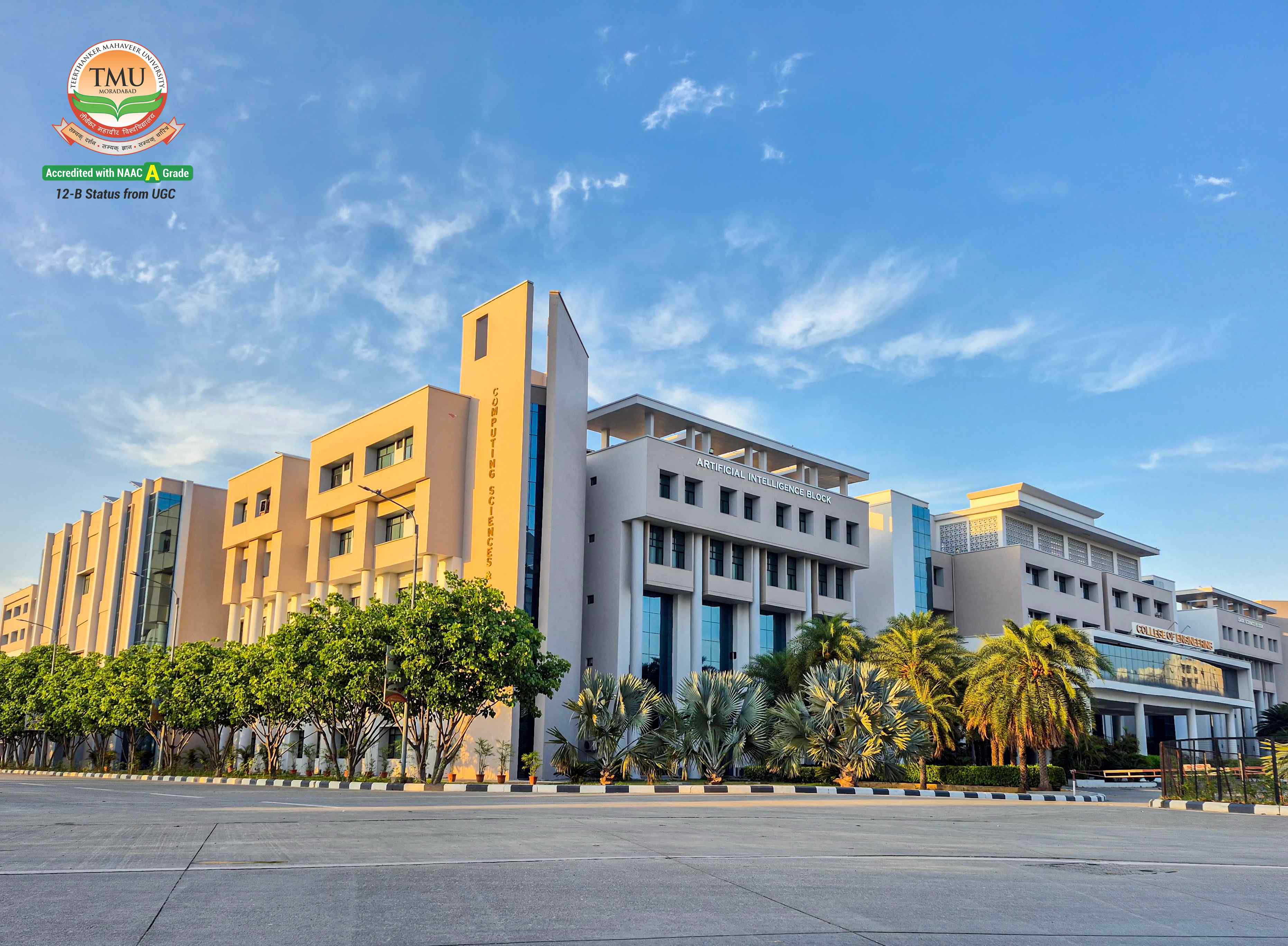
| Teerthanker Mahaveer University (TMU) | Moradabad, Uttar Pradesh | Modern campus facilities, Well-equipped physiotherapy labs, and experienced faculty |
Why Choose TMU?
From classroom learning to patient care, Teerthanker Mahaveer University prepares you every step of the way for a fulfilling and future-ready career in physiotherapy.
- Diverse Clinical Exposure: Gain hands-on clinical experience through TMU's multi-speciality hospital and rehabilitation centres, treating a wide range of real-life patient cases.
- Approved & Recognised: TMU's BPT programme is approved by the U.P. State Medical Faculty and recognised by UGC, ensuring a nationally accepted qualification.
- Advanced Infrastructure: Learn in modern laboratories, smart classrooms, and advanced physiotherapy labs while gaining clinical exposure at TMU Hospital.
- Clinical Exposure & Community Outreach: Participate in health camps, rural outreach programmes, and hospital training to build practical skills and community healthcare awareness.
- Placement & Internship Opportunities: Benefit from hospital internships, clinical training, and placement support to build a successful career in physiotherapy.
BPT Course Fees at TMU
The Bachelor of Physiotherapy course at TMU in Moradabad has a comprehensive fee structure and course details.
| Course | Specialisation | Duration | Fees |
| BPT | Physiotherapy | 4 year & 6-month internship | 54,000/- per sem |
| MPT |
| 2 Years | 37,800/- per sem |
Read More: Top Reasons to Choose Physiotherapy After 12th
BPT vs MPT: A Brief Overview
BPT (Bachelor of Physiotherapy)
- Undergraduate degree: Provides a foundational understanding of physiotherapy.
- Duration: Typically 4 years.
- Focus: Covers a wide range of physiotherapy topics, including anatomy, physiology, kinesiology, and clinical practice.
- Career options: Entry-level positions in hospitals, clinics, rehabilitation centres, and sports teams.
MPT (Master of Physiotherapy)
- Postgraduate degree: MPT offers advanced specialisation in a specific area of physiotherapy.
- Duration: Typically 2 years.
- Focus: In-depth study of a chosen specialisation, such as orthopaedic, neurological, cardiorespiratory, or sports physiotherapy.
- Career options: Advanced clinical roles, research, teaching, and leadership positions.
Conclusion
The Bachelor of Physiotherapy (BPT) programme offers comprehensive training. It covers physical movement science and lasts four years. They focus on anatomy, physiology, and rehab techniques. Graduates are trained to help people recover from physical ailments. BPT opens paths in hospitals, clinics, and sports groups. You can specialise in areas like orthopaedics and neurology.
Institutions like Teerthanker Mahaveer University (TMU) provide great facilities and expert guidance. They enhance the learning experience. BPT graduates are in high demand. This is due to the ageing population and growing awareness of rehabilitation benefits. Pursuing BPT at TMU promises a fulfilling career with promising placement prospects. Overall, BPT offers a rewarding pathway for those passionate about healthcare and making a positive impact on society.
FAQs
Q1. Is BPT a good career option?
Ans: Yes, a Bachelor of Physiotherapy offers a fulfilling career with diverse opportunities for growth and development in the healthcare industry.
Q2. Can I pursue a Bachelor of Physiotherapy after completing 12th grade with PCB?
Yes, candidates who have completed 10+2 with Physics, Chemistry, and Biology can pursue a Bachelor of Physiotherapy course.
Q3. What are the job prospects after completing the Bachelor of Physiotherapy?
Ans: Graduates can work as physiotherapists in hospitals, clinics, and sports teams or pursue careers in research, academia, or entrepreneurship.
Q4. How long is the BPT course?
Ans: Bachelor of Physiotherapy is a four-year undergraduate programme, including both theoretical studies and practical training.
Q5. Are there any entrance exams for BPT admission?
Ans: Yes, some colleges conduct entrance exams such as NEET, AIIMS, or CET for admission to Bachelor of Physiotherapy programmes.
This content gives an overview of the programme and is for educational purposes only. For updated admission guidelines and counselling support, please connect with our Counsellor Team.