



12.2.8: Minimisation Policies Extended to Suppliers
Sustainable Procurement, Supplier Due Diligence, and Construction Resource Efficiency
At Teerthanker Mahaveer University (TMU), responsible consumption and production by extending its resource-minimisation principles beyond campus operations to outsourced suppliers, contractors, and the wider supply chain is a continuous institutional practice. This approach actively promotes resource efficiency, waste prevention, reduced material consumption, and environmentally responsible purchasing throughout the procurement lifecycle.
The policy framework encompasses suppliers of equipment, stationery, construction materials, building and infrastructure services, and other outsourced goods and services, encouraging sustainability considerations at the stages of supplier selection, procurement, contract execution, and performance review. Suppliers and contractors are expected to support applicable waste minimisation requirements, efficient material utilisation, responsible packaging, and the prevention of avoidable resource wastage in their operations and service delivery.
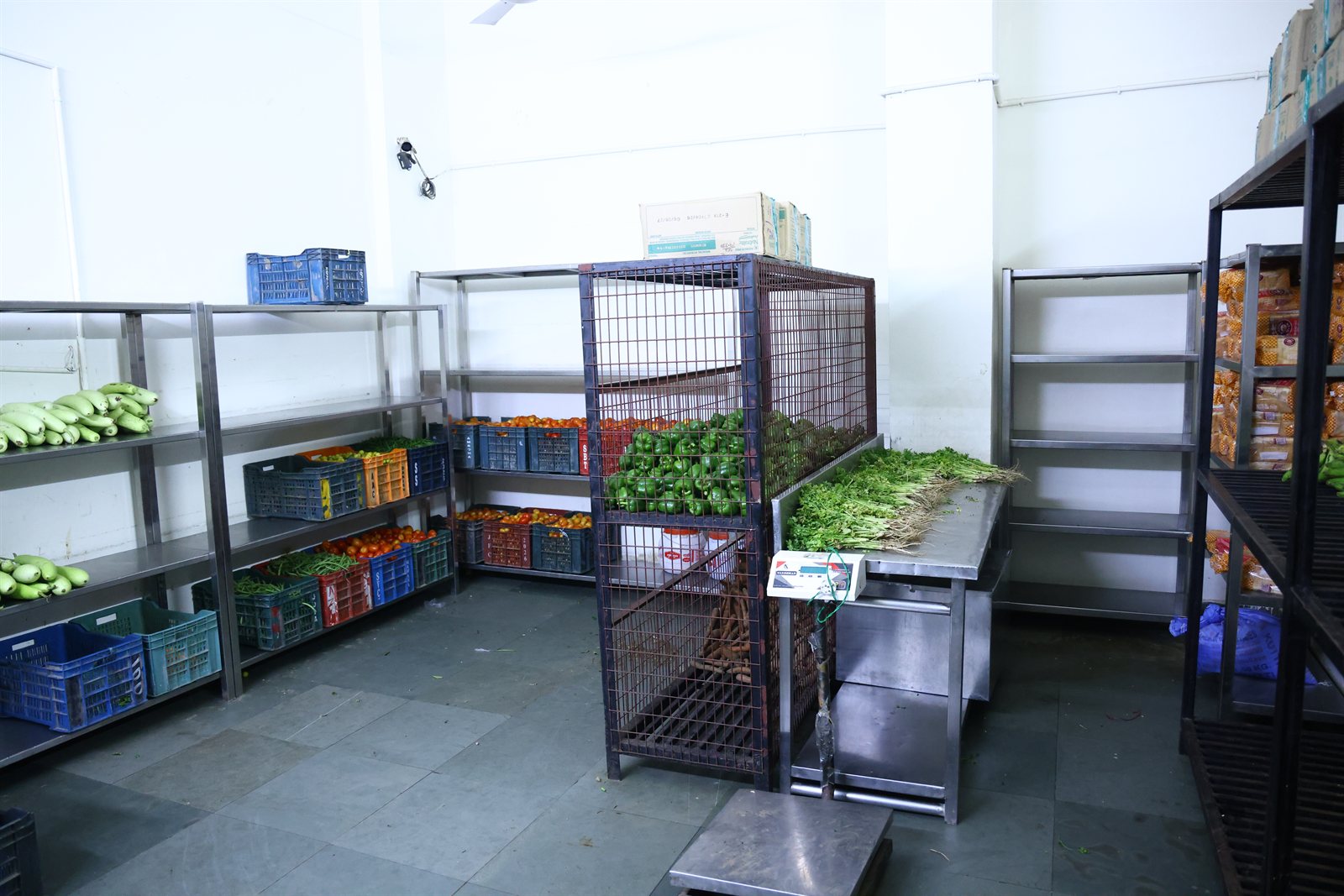
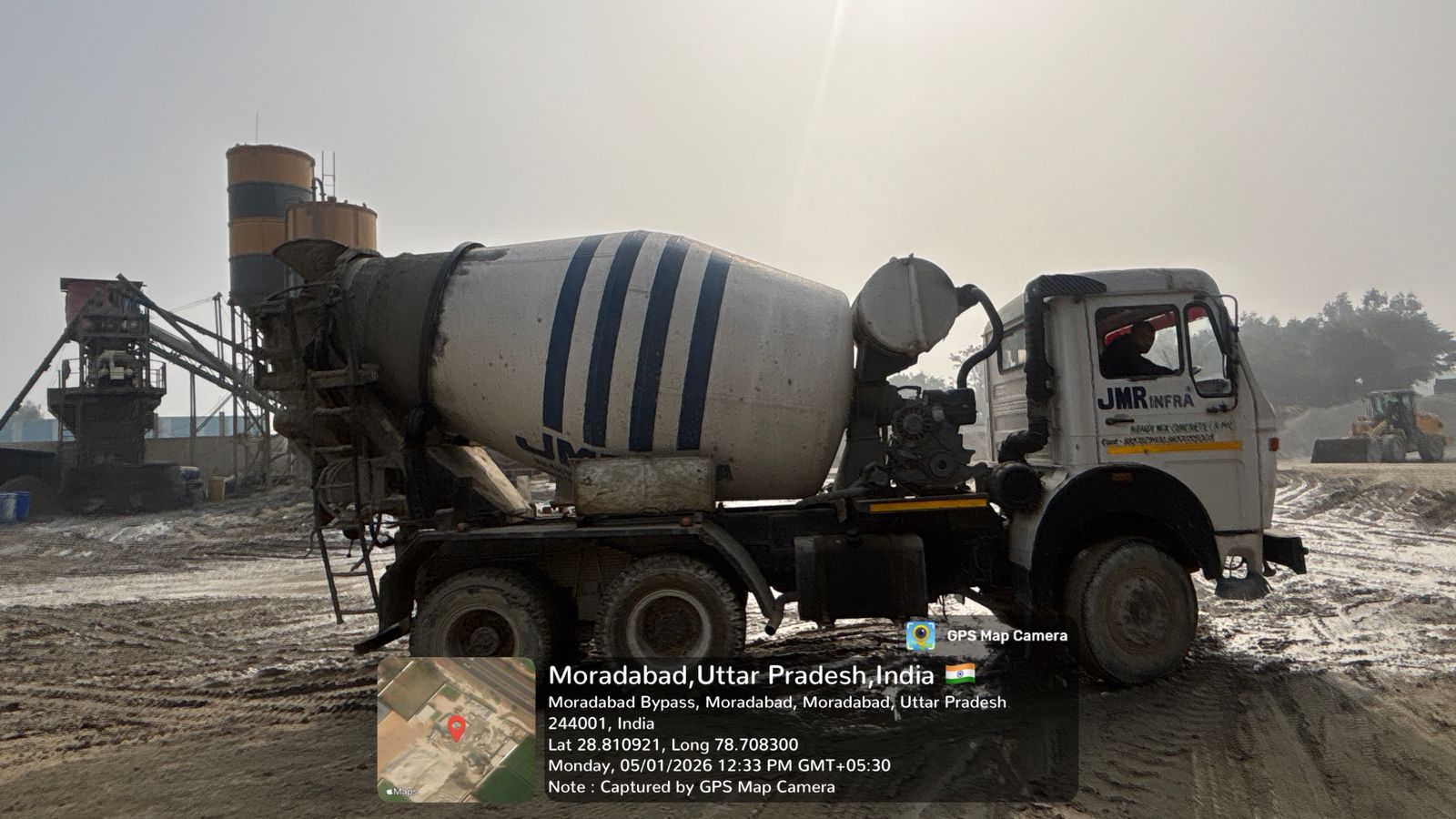
For building and infrastructure contracts, this approach emphasizes efficient material planning, minimisation of construction and demolition waste, responsible handling of materials, and the reduction of unnecessary consumption. For equipment and stationery procurement, it encourages durable products, efficient resource use, reduced packaging, and responsible management of consumables.
Four Dimensions of Supplier Resource Minimisation
Infrastructure & Construction
Lean material planning, on-site sorting of construction and demolition debris, and reuse of inert masonry materials for road paving and land stabilization.
Equipment & Technology
Mandatory energy-efficiency star ratings, extended manufacturer warranties, modular repairability, and take-back agreements for end-of-life electronics.
Packaging & Logistics
Requiring vendor shipments to use reusable crates, corrugated cardboard, or biodegradable filler, systematically phasing out expanded polystyrene (Styrofoam).
Due Diligence & Review
Pre-qualification sustainability scoring, verification of statutory environmental licenses, and routine performance reviews incorporated into vendor contract renewals.
Sustainable Supplier Engagements & Infrastructure Management
Overview of TMU's construction resource planning and supplier-extended minimisation protocols
Sustainable Campus Infrastructure & Vendor Due Diligence
Integrating lifecycle thinking, durable materials, and green supply chains across TMU developments.
Waste Management Policy
Official institutional policy governing campus-wide resource conservation, waste diversion, and supplier obligations for material minimisation.
Ethical Sourcing Policy (Policy 33.0)
Mandatory standards evaluating vendor labour compliance, resource efficiency, packaging minimisation, and fair operating principles.
Institutional Driving Force for Green Supply Chains
By demanding verified environmental stewardship and waste minimisation from every external vendor, Teerthanker Mahaveer University sets a regional benchmark for institutional responsibility, demonstrating that true circularity requires the active collaboration of partners across the entire supply chain.