



Understanding PhD in Physiotherapy Course Details, Duration and Career Scope
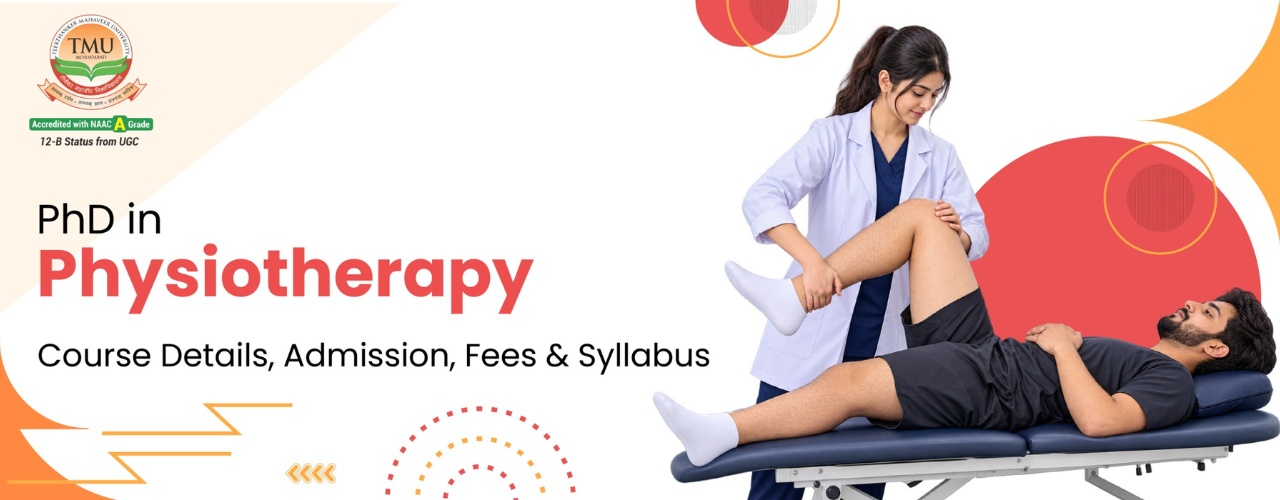
Table of Contents
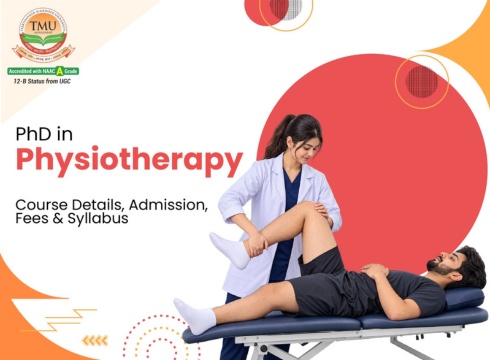
Want to take your physiotherapy career to the next level through advanced research and academic expertise? Pursuing a PhD in Physiotherapy could be the right next step in your academic journey. It helps students develop advanced research skills and contribute to improving treatment methods and recovery outcomes.
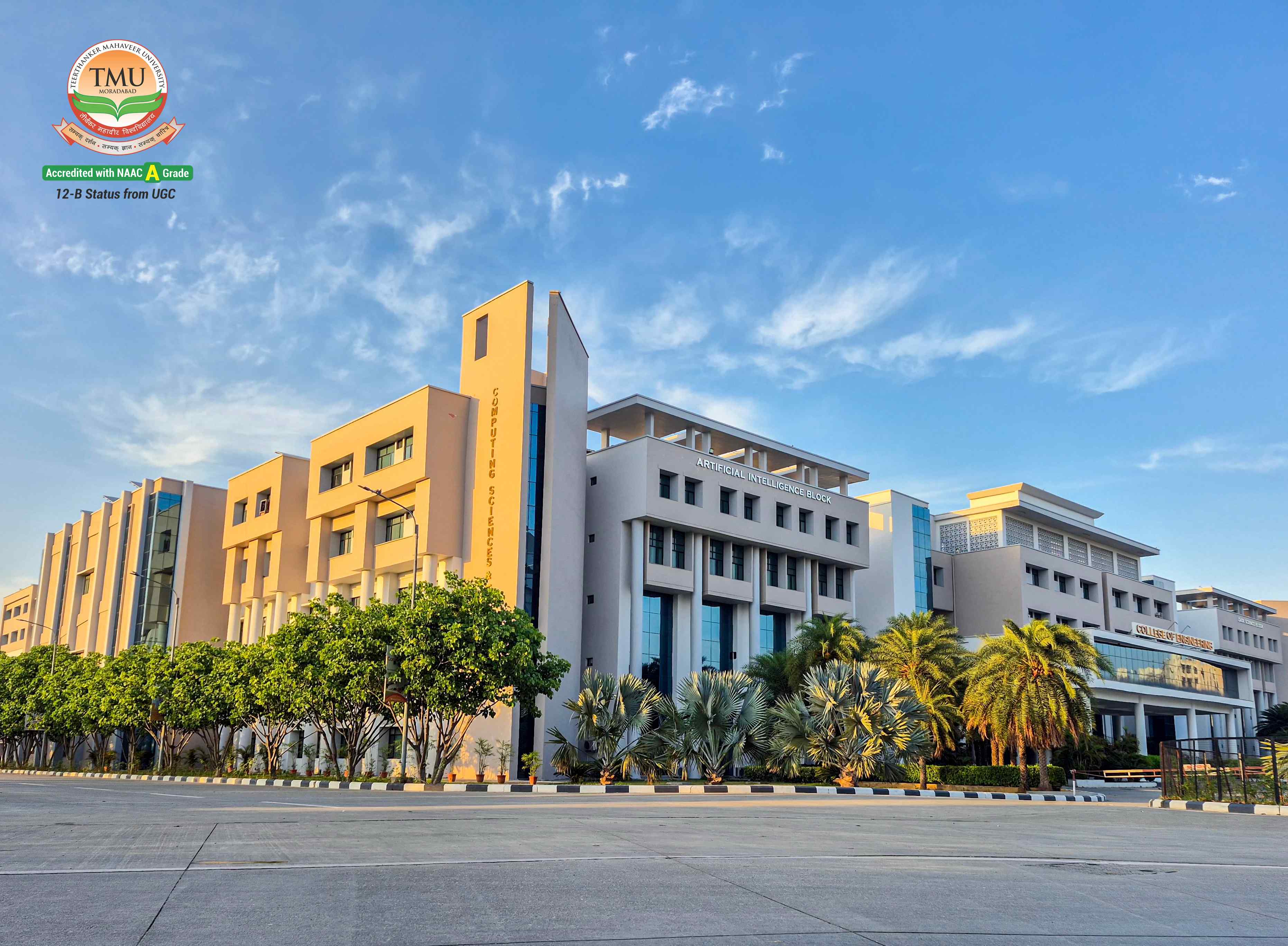
At Teerthanker Mahaveer University, you can take your physiotherapy career beyond clinical practice by pursuing a doctoral-level physiotherapy programme and exploring cutting-edge research, rehabilitation sciences, and academic opportunities. But before exploring this opportunity, let's understand the course in detail, including its eligibility, admission process, fees, syllabus, and career opportunities, through this article.
What is a PhD in Physiotherapy?
A PhD in Physiotherapy is a research-focused doctoral degree that focuses on advanced studies in physical therapy, rehabilitation sciences, human movement, and patient recovery.
The programme allows scholars to investigate different areas of physiotherapy, such as musculoskeletal disorders, neurological rehabilitation, sports physiotherapy, exercise therapy, and pain management.
Teerthanker Mahaveer University
Apply for Admission
Apply for Admission
What is the Duration of a PhD in Physiotherapy?
The duration of this programme is 3-6 years, depending on the university's regulations. research progress and completion of the doctoral thesis. It involves research methodology, data collection, clinical studies, academic writing, and the preparation of a doctoral thesis under the guidance of a research supervisor.
PhD in Physiotherapy: Quick Overview
| Particulars | Details |
| Course Name | Ph.D. in Physiotherapy |
| Course Level | Doctoral Degree |
| Course Duration | 3–6 Years |
| Admission Process | Entrance Exam and Personal Interview |
| Field of Study | Physiotherapy and Rehabilitation Sciences |
| Research Areas | Musculoskeletal, Neurological, Sports and Cardiopulmonary Physiotherapy |
| Average Fees | Varies by University |
| Career Opportunities | Researcher, Academician, Clinical Specialist and Research Consultant |
What Research Areas Are Included in the PhD in Physiotherapy Syllabus?
The PhD in Physiotherapy syllabus focuses on advanced research, clinical practices, rehabilitation techniques, and evidence-based treatment methods. Students can explore various research areas, including:
- Musculoskeletal Physiotherapy: Research on bone, joint, muscle, and spinal disorders.
- Neurological Physiotherapy: Studies related to stroke, spinal cord injuries, and neurological conditions.
- Cardiopulmonary Physiotherapy: Research on heart and lung conditions and their rehabilitation.
- Sports Physiotherapy: Injury prevention, sports rehabilitation, and performance improvement.
- Paediatric Physiotherapy: Research on movement and developmental disorders in children.
- Geriatric Physiotherapy: Rehabilitation and mobility improvement in older adults.
- Women's Health Physiotherapy: Research on pelvic health, pregnancy-related conditions, and postnatal rehabilitation.
- Clinical Biomechanics: Study of human movement, posture, and body mechanics.
Note: Research areas may vary depending on the university, faculty expertise, and selected research topic.
Who Can Pursue a PhD in Physiotherapy?
The programme is suitable for:
- MPT Graduates: Candidates with a master of Physiotherapy (MPT) degree who are seeking advanced studies in research.
- Healthcare professionals: Clinical physiotherapists interested in learning new treatment methods and evidence-based practices.
- Working Professionals: Professionals who are interested in pursuing further studies and higher academic degrees.
- Research Enthusiasts: These are people who are interested in rehabilitation research, human movement and physical health.
- Healthcare Professionals: Candidates who wish to join clinical research and advancement in physiotherapy.
Basic Eligibility Criteria
- Completed a Master of Physiotherapy (MPT) or an equivalent postgraduate degree from a recognised university.
- A minimum of 55% aggregate marks or an equivalent grade is generally required.
- Relevant postgraduate qualification and a strong interest in physiotherapy research.
- Applicants may need to qualify for a university-level entrance examination and personal interview, depending on the admission guidelines
Note: Eligibility for admission is as per the University's criteria.
How to Get Admission to a PhD in Physiotherapy?
| Admission Steps | Details |
| Step 1: Check Eligibility | Ensure you meet the required postgraduate qualification and minimum marks criteria. |
| Step 2: Fill Out the Application Form | Visit the university website and complete the PhD application form. |
| Step 3: Submit Documents | Upload academic certificates, mark sheets, ID proof and other required documents. |
| Step 4: Entrance Examination | Appear for the university entrance test, if applicable. |
| Step 5: Personal Interview | Discuss your proposed research area, objectives and academic interests. |
| Step 6: Final Selection | Selection is based on the university's admission criteria, entrance test and interview performance. |
| Step 7: Fee Payment and Enrolment | Complete the admission formalities and pay the required fees to confirm your seat. |
Note: The admission process may vary depending on the university's Ph.D. admission guidelines.
Documents Required
- Class 10th Mark Sheet
- Class 12th Mark Sheet
- Bachelor's Degree Certificate
- Master's Degree Certificate (MPT)
- Academic Mark Sheets
- Aadhaar Card or Valid ID Proof
- Passport-Size Photographs
- Entrance Exam Scorecard
- Research Proposal
Average Fee
The average fee for a PhD in Physiotherapy in India ranges from approximately ₹50,000 to ₹1.5 lakh per year at many universities. The total programme cost may range from ₹1.5 lakh to ₹5 lakh or more, depending on the university, course duration, and additional charges such as registration, coursework, and examination fees.
What Are the Career Opportunities After a PhD in Physiotherapy?
After completing this programme, graduates can explore various career opportunities:
| Career Option | Description |
| Professor / Associate Professor | Teach physiotherapy subjects, guide research scholars, and contribute to academic development. |
| Clinical Researcher | Conduct research on physiotherapy treatments, rehabilitation techniques, and patient recovery. |
| Research Scientist | Study new approaches to physical rehabilitation, movement science, and therapeutic interventions. |
| Physiotherapy Consultant | Provide expert guidance on advanced physiotherapy practices and treatment methods. |
| Rehabilitation Specialist | Develop and evaluate rehabilitation programmes for patients with physical disabilities or injuries. |
| Research Director | Lead research projects and supervise teams in healthcare and academic institutions. |
| Healthcare Administrator | Manage physiotherapy departments, rehabilitation facilities, and healthcare services. |
| Sports Physiotherapy Researcher | Research sports injuries, injury prevention, athletic performance, and recovery techniques. |
| Postdoctoral Research Fellow | Pursue advanced research and specialise in a particular area of physiotherapy. |
| Academic Research Guide | Supervise postgraduate and doctoral research projects in physiotherapy. |
Where Can PhD in Physiotherapy Graduates Work?
Graduates can find employment opportunities in various sectors, including:
- Universities and colleges
- Government and private hospitals
- Medical research institutions
- Sports academies and organisations
- Rehabilitation and wellness centres
- Healthcare research organisations
- Physiotherapy clinics
- Public health organisations
Why Choose TMU for a PhD in Physiotherapy?
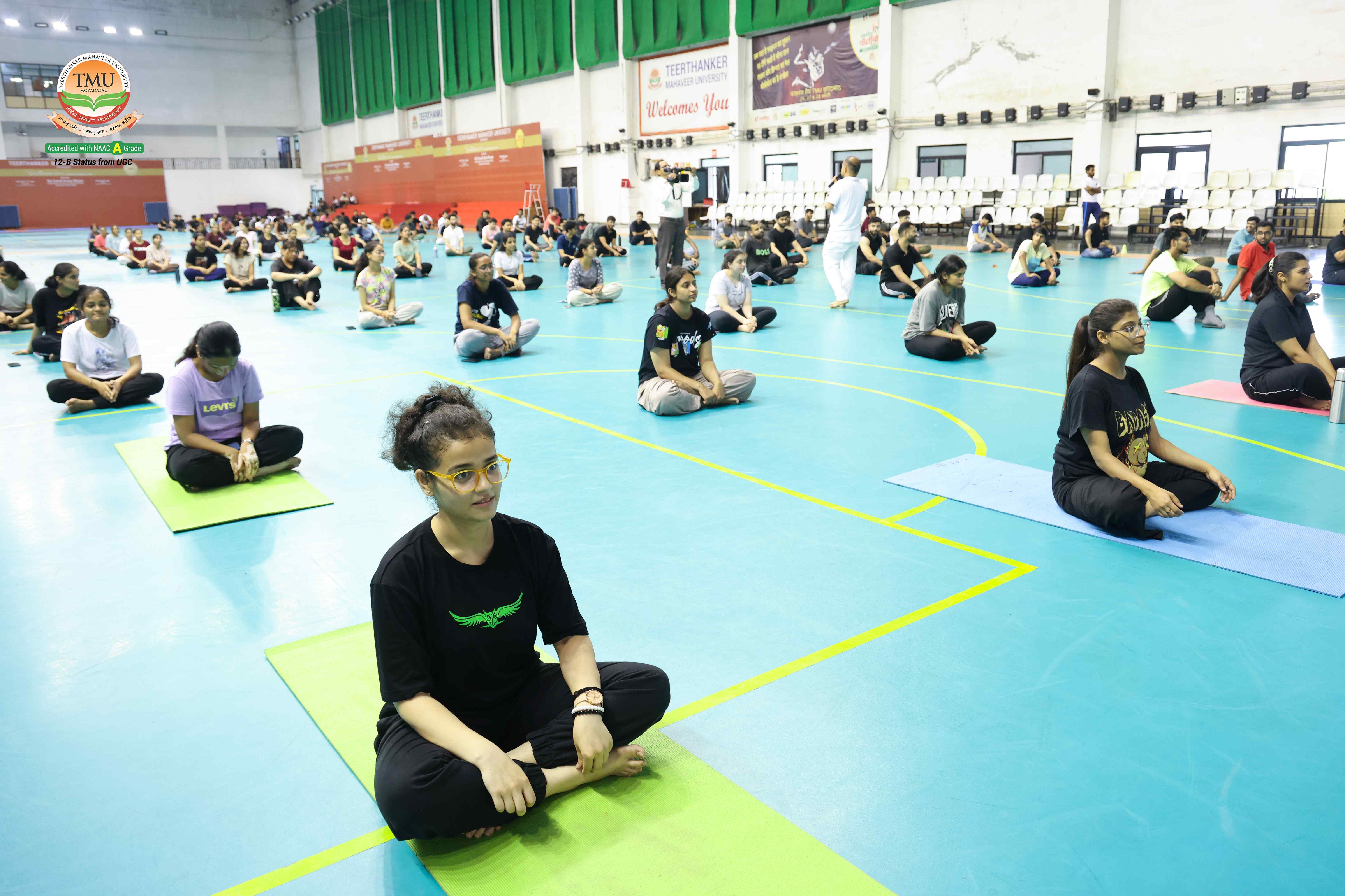
Pursuing a PhD in Physiotherapy at Teerthanker Mahaveer University offers students research-oriented learning, experienced faculty guidance, and access to clinical facilities. TMU emphasises academic growth, hands-on experience, and cutting-edge research, enabling scholars to contribute actively to the field of rehabilitation and healthcare. Some key reasons to pursue a PhD at TMU are:
- Experienced Faculty: Guidance from qualified faculty members.
- Research Facilities: Access to specialised physiotherapy and research labs.
- Clinical Exposure: Practical exposure at TMU's 900+ bedded teaching hospital.
- Research Opportunities: Explore orthopaedics, sports physiotherapy, and neurosciences.
- Research-Based Learning: Focus on coursework, research projects, and thesis work.
- Library Resources: Access to books, journals, and online research databases.
- Structured Admission Process: Includes TRAT, coursework, synopsis presentation, and thesis defence.
Explore: TMU Department of Physiotherapy | PhD Programmes at TMU
Conclusion
A PhD in Physiotherapy is a great choice for those who want to advance their knowledge of rehabilitation, clinical practices, and healthcare research. The programme provides students with research skills and allows them to investigate specialist aspects of physiotherapy and aid in patient care. It may also be beneficial for individuals considering a career in teaching, research, or further advanced clinical practice.
FAQ
Q1. How long is a PhD in Physiotherapy?
Ans. The duration of a PhD in Physiotherapy is usually 3–6 years, depending on the university, research area, and candidate's progress. The programme comprises coursework, research work, thesis preparation, and final evaluation.
Q2. Can I use Dr after a PhD in Physiotherapy?
Ans. Yes. After successfully completing a recognised PhD in Physiotherapy and receiving the doctoral degree, you can use the title "Dr." before your name.
Q3. What is the average salary after a PhD in Physiotherapy in India?
Ans. The average salary after a PhD in Physiotherapy in India ranges from approximately ₹4 lakh to ₹10 lakh per annum. However, earnings depend on work experience, research expertise, job role, and the organisation.
Q4. Who earns more, MBBS or BPT?
Ans. Generally, MBBS graduates have higher earning potential than BPT graduates. BPT graduates work as physiotherapists and can increase their earnings through specialisation, clinical experience, private practice, and advanced qualifications.
Q5. Can I do a PhD without a Master's degree?
Ans. As per the UGC PhD Regulations 2022, candidates with a four-year undergraduate degree and at least 75% aggregate marks (or an equivalent grade) may be eligible for direct admission to a PhD programme, subject to applicable relaxation norms and university requirements.
Q6. Which PhD has the highest stipend?
Ans. There is no single PhD specialisation that guarantees the highest stipend. The amount depends on the fellowship scheme, funding agency, and research position.
Q7. Who earns more, a physiotherapist or an MBBS doctor?
Ans. MBBS doctors generally earn more than physiotherapists, especially after specialising in fields such as cardiology, orthopaedics, or neurology. However, skilled physiotherapists can also earn a good income through private practice, sports rehabilitation, specialised services, and running their own clinics.
Q8. What is the highest qualification for a physiotherapist?
Ans. A PhD in Physiotherapy is generally considered the highest academic qualification in this field. Students who have completed an MPT can pursue a PhD to gain advanced knowledge and specialise in research, teaching, rehabilitation sciences, and advanced clinical studies.
This content gives an overview of the programme and is for educational purposes only. For updated admission guidelines and counselling support, please connect with our Counsellor Team.