



Diploma in Operation Theatre Technician: Complete Course Guide
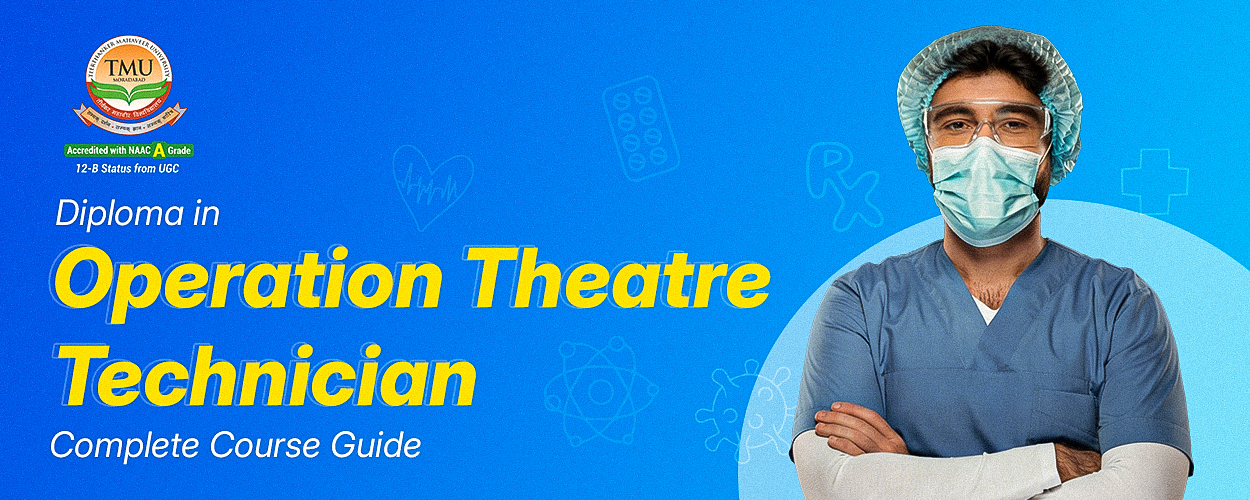
Table of Contents
Healthcare is not just about doctors and nurses. Behind every successful surgery, there’s a team working like clockwork. One of the most crucial members of that team is the Operation Theatre Technician. If you’ve ever wondered who ensures that surgical instruments are sterilised, machines are functioning properly, and everything inside the operation theatre runs smoothly, the answer lies here.
A Diploma in Operation Theatre Technician is a specialised paramedical course designed for individuals who want to play a vital role in surgical procedures without becoming a doctor. This program equips students with the technical knowledge and practical skills required to manage operation theatre equipment, assist surgeons, and maintain a sterile environment.
In today’s rapidly expanding healthcare industry, the demand for trained operation theatre technicians is steadily increasing. Hospitals, nursing homes, trauma centres, and speciality clinics all require skilled professionals to operate surgical support systems. This course is ideal for students who have completed their 10+2 education and are looking for a career-oriented program that offers job security and a respectable income.
If you’re someone who enjoys working in a fast-paced environment, can handle responsibility, and wants to contribute to saving lives from behind the scenes, this diploma might be your perfect fit. Let’s dive deeper into what this course offers and how it can shape your future.
What is an Operation Theatre Technician?
An Operation Theatre Technician (OTT) is a trained healthcare professional who assists in surgical procedures by preparing and maintaining the operation theatre environment. Think of them as the backbone of the surgical team. While surgeons perform complex operations, technicians ensure that everything runs seamlessly.
Their primary responsibility includes preparing the operation theatre before surgery. This means arranging surgical instruments, sterilising equipment, checking anaesthesia machines, and ensuring all necessary tools are available. During surgery, they assist surgeons and nurses by handing over instruments and monitoring equipment and maintaining a sterile environment.
After the procedure, their job doesn’t end. They are responsible for cleaning and sterilising instruments, disposing of medical waste properly, and preparing the theatre for the next surgery. Precision and attention to detail are essential in this role because even a minor error can lead to serious complications.
The importance of operation theatre technicians cannot be overstated. Without them, surgeries would face delays, safety risks would increase, and overall efficiency would drop. They act as a bridge between surgeons, nurses, and other medical staff.
In short, if a hospital is like a well-oiled machine, the operation theatre technician is one of its most vital gears. This diploma program trains students to handle these responsibilities with confidence and competence.
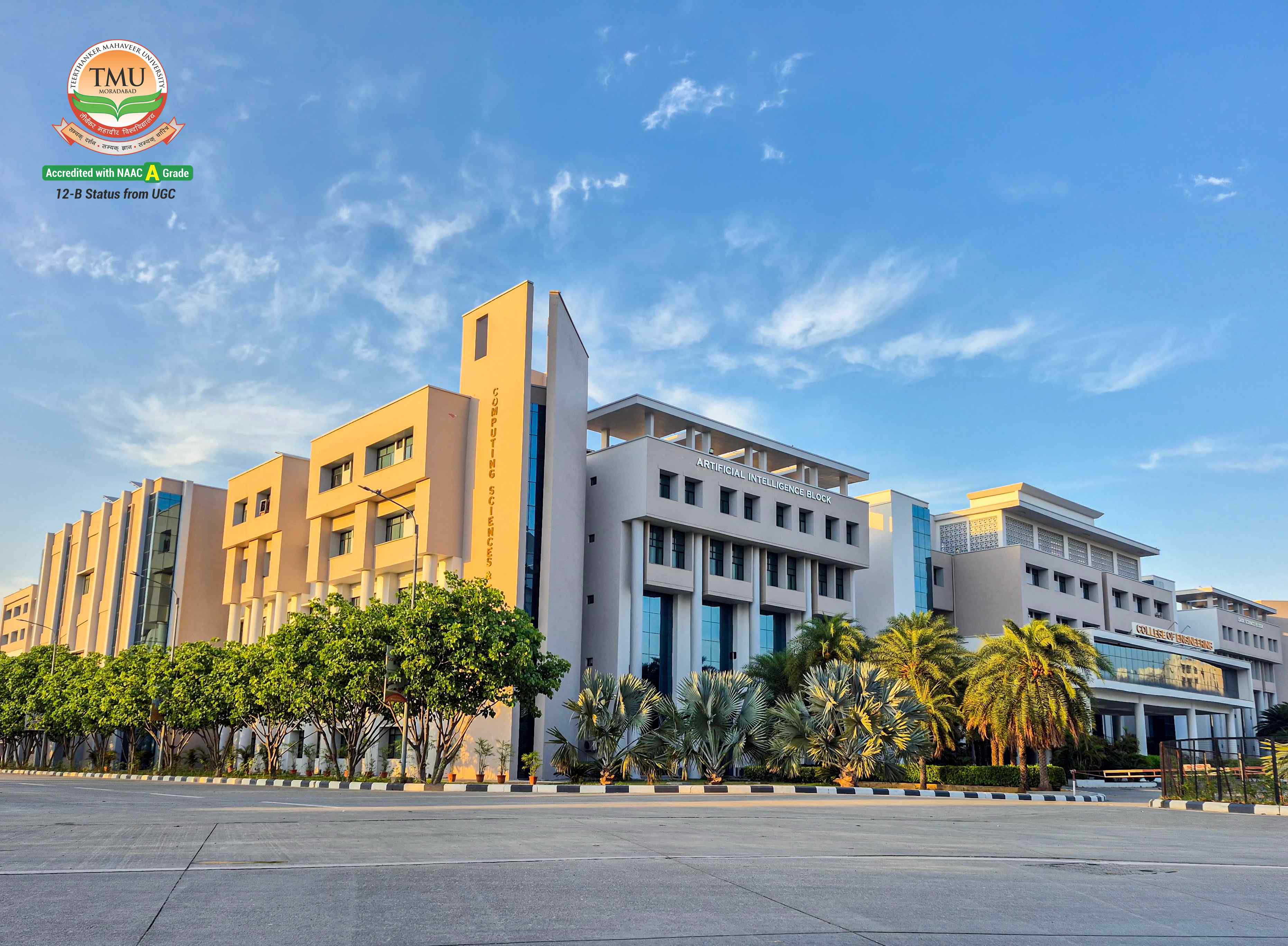
Teerthanker Mahaveer University
Apply for Admission
Apply for Admission
Why Choose a Diploma in Operation Theatre Technician?
Choosing a career path can feel overwhelming, right? With so many options available, why should you consider a Diploma in Operation Theatre Technician? The answer lies in opportunity, stability, and impact.
First, the healthcare sector is one of the fastest-growing industries worldwide. With an increasing population, rising health awareness, and advancements in medical technology, the number of surgeries performed each year continues to grow. More surgeries mean more demand for skilled operation theatre technicians.
Second, this diploma offers a quicker entry into the workforce compared to long medical degrees. Within 1–2 years, students can complete the course and start working in hospitals or surgical centers. That’s a significant advantage if you’re looking to become financially independent early.
Another strong reason is job stability. Healthcare jobs are rarely affected by economic downturns. Hospitals always need trained professionals to assist in surgeries and emergency procedures. This makes the career relatively recession-proof.
Moreover, the role offers immense personal satisfaction. Knowing that your work directly contributes to saving lives is deeply fulfilling. Even though you may not be the one performing surgery, your support ensures its success.
If you’re looking for a practical, skill-based, and rewarding career in healthcare without spending many years in medical school, this diploma could be your stepping stone.
Diploma in Operation Theatre Technician – Course Overview
| Course Detail | Information |
| Course Name | Diploma in Operation Theatre Technician (OTT) |
| Course Level | Diploma (Paramedical) |
| Duration | 2 Years (4 Semesters) |
| Fee Structure | ₹32,400 per Semester |
| Total Semesters | 4 |
| Eligibility Criteria | 10+2 from a recognised board (Science stream preferred, especially Biology) |
| Minimum Required Marks | Generally 40%–50% (varies by institution) |
| Admission Process | Merit-based or Entrance Exam (depending on university policy) |
| Mode of Study | Regular / Full-Time |
| Internship | Included as part of clinical training (hospital-based) |
| Practical Training | Operation Theatre Labs + Hospital Exposure |
| Core Subjects | Anatomy, Physiology, Microbiology, Surgical Techniques, Anaesthesia Technology, Infection Control |
| Skill Development Areas | OT Equipment Handling, Sterilisation Techniques, Emergency Support, Patient Care Assistance |
| Career Opportunities | Operation Theatre Technician, Surgical Assistant, Anaesthesia Technician, CSSD Technician |
| Employment Areas | Government Hospitals, Private Hospitals, Trauma Centres, Surgical Clinics |
| Average Starting Salary | ₹15,000 – ₹25,000 per month (varies by location & experience) |
| Higher Education Options | Advanced Diploma, B.Sc. in Operation Theatre Technology, Allied Health Sciences |
Course Curriculum and Subjects
The curriculum of the Diploma in Operation Theatre Technician is carefully designed to cover both foundational medical knowledge and specialised surgical training. It ensures that students are well-equipped to handle real-world responsibilities.
First-Year Subjects
In the first year, students are introduced to basic medical sciences and foundational concepts. Subjects often include:
- Human Anatomy and Physiology
- Microbiology
- Pathology
- Basics of Surgery
- Principles of Anaesthesia
- Medical Terminology
These subjects help students understand how the human body functions and how surgical procedures impact different systems. For example, learning anatomy enables technicians to identify the instruments required for specific body parts during surgery.
Second-Year Subjects
The second year focuses more on specialised and practical aspects, such as:
- Operation Theatre Techniques
- Sterilisation and Disinfection Methods
- Surgical Equipment Handling
- Emergency Care
- Infection Control Practices
- Biomedical Waste Management
Students learn how to manage advanced surgical equipment like ventilators, defibrillators, suction machines, and anaesthesia workstations.
Practical Training and Internship
Perhaps the most important component is hands-on training. Students spend significant time in hospital operation theatres under supervision. They observe live surgeries, assist senior technicians, and gradually take on responsibilities.
This real-world exposure builds confidence and ensures they are job-ready upon completion of the course.
Skills Required to Become an Operation Theatre Technician
Let’s be honest — working inside an operation theatre isn’t for everyone. It’s not a typical 9-to-5 desk job where you can casually sip coffee while checking emails. It’s intense. It’s fast-paced. And sometimes, it’s emotionally demanding. So what kind of skills do you really need to thrive here? Let’s have a look:
- Technical Knowledge of Surgical Equipment – Understanding operation theatre instruments, anaesthesia machines, ventilators, cardiac monitors, and other medical devices.
- Sterilisation and Infection Control Skills – Knowledge of aseptic techniques and proper sterilisation methods to maintain a safe surgical environment.
- Attention to Detail – Ensuring all instruments are properly arranged and counted before and after surgery to avoid errors.
- Quick Decision-Making Ability – Responding calmly and efficiently during emergencies or critical surgical procedures.
- Good Communication Skills – Coordinating effectively with surgeons, anaesthesiologists, and nursing staff.
- Teamwork Ability – Working as an essential part of the surgical team to ensure the smooth operation of the theatre.
- Physical Stamina – Standing for long hours and assisting during lengthy surgical procedures.
- Mental Strength and Stress Management – Handling high-pressure situations with confidence and focus.
- Basic Medical Knowledge – Understanding human anatomy, surgical procedures, and patient care basics.
- Discipline and Responsibility – Maintaining professionalism, patient safety, and ethical standards at all times.
Colleges Offering Diploma in Operation Theatre Technician
Choosing the right college is like choosing the right foundation for a building. A strong foundation supports long-term success. So, how do you decide where to pursue your Diploma in Operation Theatre Technician?
Across India and other countries, both government and private institutions offer this course. Here’s what you should look for when selecting a college:
- Recognition and accreditation by relevant health authorities
- Availability of well-equipped laboratories
- Strong hospital affiliations for internships
- Experienced faculty members
- Positive student reviews and placement records
Some well-known institutions offering paramedical diplomas include government medical colleges, state health institutes, and reputed private healthcare training centres. Instead of focusing only on the “brand name,” evaluate the practical training opportunities. Remember, operation theatre work is hands-on. The more clinical exposure you receive, the better prepared you’ll be.
Visiting campuses (if possible), talking to alumni, and checking hospital tie-ups can give you a clearer picture. Think long-term. The right college won’t just give you a certificate — it will give you confidence.
| College / Institute | Location | Remarks |
| Teerthanker Mahaveer University | Moradabad, Uttar Pradesh | Offers a Diploma in Operation Theatre (OT) Technician with practical hospital training and modern lab facilities. |
| Government Medical College Thiruvananthapuram | Thiruvananthapuram, Kerala | Offers a Diploma in Operation Theatre & Anaesthesia Technology under the government medical education system. |
| Government Medical College Alappuzha | Alappuzha, Kerala | Provides paramedical diploma courses, including OT & Anaesthesia Technology. |
| Saharanpur Group of Colleges | Saharanpur, Uttar Pradesh | Offers a Diploma in Operation Theatre Technology affiliated with the state medical faculty. |
| Integral University | Lucknow, Uttar Pradesh | Offers Diploma in Operation Theatre Technician with a focus on surgical assistance and OT management. |
Course Fees and Financial Considerations
Money matters. And before enrolling in any program, you naturally want to know: How much will this cost me?
The course fees for a Diploma in Operation Theatre Technician vary depending on the type of institution. In government colleges, the fees can range from ₹10,000 to ₹50,000 per year. Private institutions may charge anywhere between ₹50,000 and ₹1,50,000 per year, depending on facilities and reputation.
Here’s a simple comparison:
| Institution Type | Approximate Annual Fees |
| Government College | ₹10,000 – ₹50,000 |
| Private College | ₹50,000 – ₹150,000 |
Additional costs may include:
- Examination fees
- Uniform and lab coat expenses
- Books and study materials
- Hostel and transportation charges
Now, what if finances are tight? Don’t panic. Many institutions offer scholarships for deserving students, especially those from economically weaker sections. Government schemes and education loans are also available. Some hospitals even sponsor training programs in exchange for service agreements.
Think of this diploma as an investment. Compared to long medical degrees that cost lakhs and take years, this program is relatively affordable and offers quicker employment opportunities. Within a short period after completing the course, you can start earning and recovering your educational investment.
Planning finances carefully ensures you focus on learning instead of worrying about money. And that peace of mind? It’s priceless.
Career Opportunities After Diploma
Once you complete your diploma, the big question arises: What next? The good news is, opportunities are plenty.
Hospitals are the primary employers of Operation Theatre Technicians. From small nursing homes to large multi-speciality hospitals, surgical support staff are always in demand. You can also find employment in:
- Government hospitals
- Private hospitals
- Trauma centers
- Surgical clinics
- Military hospitals
- Emergency care units
- Diagnostic centers
Job roles may include:
- Operation Theatre Technician
- Surgical Assistant
- Anesthesia Technician
- Emergency Room Technician
- CSSD (Central Sterile Services Department) Technician
As you gain experience, you can move into supervisory or managerial roles within the operation theatre department.
What makes this career exciting is its diversity. You might assist in orthopaedic surgeries one day and cardiac procedures the next. Each day brings something new—new challenges, new cases, and new learning experiences.
Healthcare is expanding rapidly, especially with advancements in minimally invasive surgeries and robotic procedures. Skilled technicians who understand modern equipment will always be valuable assets.
So if you’re worried about job scarcity, take a deep breath. With the right skills and dedication, doors will open — sometimes even before you knock.
Salary Structure and Growth Prospects
Let’s talk numbers — because career satisfaction is important, but financial stability matters too.
At the entry level, a freshly graduated Operation Theatre Technician can expect a salary ranging between ₹15,000 and ₹25,000 per month in India. This may vary depending on the city, hospital reputation, and your skill level.
In metropolitan cities or reputed hospitals, salaries can be slightly higher. With 3–5 years of experience, monthly earnings can rise to ₹30,000–₹45,000. Senior technicians or supervisors may earn even more.
Here’s a simplified breakdown:
| Experience Level | Average Monthly Salary |
| Fresher | ₹15,000 – ₹25,000 |
| 3–5 Years | ₹30,000 – ₹45,000 |
| Senior Level | ₹50,000+ |
International opportunities also exist. Countries with growing healthcare systems often require skilled paramedical staff. With additional certifications and language proficiency, you may explore overseas options.
Growth doesn’t stop at salary. With experience, you gain confidence, specialisation, and respect within the healthcare team. Some technicians choose to specialise in cardiac surgery, neurosurgery, or orthopaedic procedures, increasing their earning potential.
Remember, salary grows with skill. The more efficient and knowledgeable you become, the more valuable you are.
Higher Education Options After Diploma
Think the diploma is the end of the road? Not at all. It can actually be the beginning.
Many students choose to pursue higher education after completing their diplomas. Options include:
- Advanced Diploma in Operation Theatre Technology
- Bachelor’s Degree in Operation Theatre Technology
- B.Sc. in Allied Health Sciences
- Specialised certification courses in anaesthesia or critical care
Pursuing a bachelor’s degree can significantly enhance career prospects and salary potential. It also provides opportunities for teaching roles or administrative positions in hospitals.
Some professionals even transition into healthcare management or hospital administration after gaining experience. The healthcare industry values practical knowledge, and your hands-on background gives you an advantage.
Continuous learning keeps you relevant in a field where technology evolves rapidly. Think of education as upgrading your operating system — the more updated you are, the smoother your performance.
So if ambition drives you, this diploma can be your launchpad toward greater achievements.
Difference Between Operation Theatre Technician and Other Paramedical Courses
At first glance, many paramedical courses may look similar. Lab technicians, radiology technicians, anaesthesia technicians — the names overlap, and the healthcare environment connects them all. So, how is a Diploma in Operation Theatre Technician different?
The biggest difference lies in the work environment and responsibilities. An Operation Theatre Technician works primarily inside the operation theatre, directly assisting during surgical procedures. Their role revolves around preparing surgical instruments, maintaining a sterile field, checking operation theatre equipment, and supporting surgeons during operations.
In contrast, a Medical Lab Technician works in diagnostic laboratories, handling blood samples, urine tests, and other pathological investigations. They rarely step into an operation theatre. Their focus is diagnosis, not surgical assistance.
A Radiology Technician operates imaging machines like X-rays, CT scans, and MRIs. Their workspace is the imaging department, not the surgical room. They help doctors diagnose problems, but they are not involved in surgeries.
An Anaesthesia Technician specialises in assisting anaesthesiologists by managing anaesthesia equipment and monitoring patients during sedation. While they do work in the operation theatre, their scope is narrower and more focused on anaesthesia management rather than overall theatre operations.
Here’s a quick comparison:
| Course | Primary Work Area | Main Responsibility |
| Operation Theatre Technician | Operation Theatre | Surgical assistance & OT management |
| Lab Technician | Laboratory | Diagnostic testing |
| Radiology Technician | Imaging Department | Operating imaging machines |
| Anesthesia Technician | Operation Theatre | Assisting in anaesthesia care |
If you’re someone who wants to be actively involved during surgeries, witnessing procedures up close and supporting the surgical team directly, the Operation Theatre Technician (OTT) path offers that immersive experience. It’s intense, hands-on, and deeply connected to life-saving procedures.
Challenges in the Field
Every career has its challenges, and being an Operation Theatre Technician is no exception. While the role is rewarding, it demands mental strength, discipline, and adaptability.
One of the primary challenges is working under pressure. Emergency surgeries can happen at any hour. Accidents, trauma cases, and critical patients don’t follow a schedule. You might be called in during odd hours or required to extend your shift unexpectedly. Flexibility is part of the job description.
Another challenge is emotional strain. You will witness serious injuries, complicated surgeries, and sometimes unsuccessful outcomes. Not every story ends happily. Learning to stay professional while managing your emotions is crucial. It’s like building an invisible shield — you care deeply, but you must remain composed.
Physical fatigue is also real. Long surgeries can last four, six, or even ten hours. Standing for extended periods requires stamina and focus. One lapse in attention can cause delays or errors.
Strict hygiene protocols add another layer of responsibility. Infection control is critical. You must follow sterilisation guidelines meticulously. There’s no room for shortcuts. One contaminated instrument can risk a patient’s life.
Communication breakdowns can also create tension. In high-stress environments, misunderstandings may occur. That’s why clear, concise communication is essential.
Despite these challenges, many professionals find the work incredibly fulfilling. Why? Every challenging day serves as a reminder of the significance of your role. When you see a patient recovering after surgery, the exhaustion suddenly feels worth it.
Challenges don’t weaken you — they sharpen you. And in this field, resilience becomes your greatest strength.
Advantages of Becoming an Operation Theatre Technician
Now let’s flip the coin. What makes this career truly attractive?
First, job security. Healthcare is one of the few industries that remains stable regardless of economic fluctuations. Illness and accidents don’t pause during recessions. Hospitals continuously require skilled professionals to support surgical procedures.
Second, short course duration. Unlike lengthy medical degrees that require five to six years of study, this diploma can be completed in one to two years. That means you can start earning sooner and gain experience early in life.
Third, practical skill development. This isn’t a theory-heavy course where you memorise textbooks endlessly. You learn by doing. From handling surgical instruments to operating machines, the training is hands-on and career-focused.
Fourth, personal satisfaction. There’s something powerful about knowing your work contributes directly to saving lives. You may not wear the title “Doctor,” but your contribution is equally critical. Every successful surgery has your effort woven into it.
Another advantage is growth potential. With experience, you can specialise in departments like orthopaedics, cardiology, neurosurgery, or plastic surgery. Specialisation increases both expertise and income.
Finally, opportunities abroad add another layer of appeal. Many countries value skilled paramedical professionals. With additional certifications, international careers become possible.
In simple words, this career offers stability, respect, growth, and purpose — a combination many people search for their entire lives.
Future Scope of Operation Theatre Technology
Healthcare technology is evolving rapidly. Robotic surgeries, minimally invasive procedures, and laser treatments—the operation theatre of today looks very different from that of a decade ago. So what does this mean for Operation Theatre Technicians?
As surgical techniques become more advanced, the need for skilled technicians who understand modern equipment grows significantly. Hospitals are investing heavily in cutting-edge technology. But machines alone are useless without trained professionals who know how to operate and maintain them.
Minimally invasive surgeries require precision tools and high-definition imaging systems. Robotic surgeries demand technical familiarity and coordination. Technicians trained in these areas will be highly valuable.
Moreover, the global healthcare industry is expanding. Ageing populations, increasing chronic diseases, and improved access to medical facilities are driving demand for surgical services. This naturally increases demand for operation theatre staff.
Telemedicine and digital healthcare integration are also influencing surgical planning and record management. Technicians with computer literacy and equipment management skills will stand out.
In the coming years, specialisation and upskilling will define career growth. Those who continuously update their knowledge will thrive. Think of the future as an open highway — the faster technology moves, the more essential skilled professionals become.
The scope isn’t shrinking. It’s expanding steadily and confidently.
Tips to Succeed in This Career
Success in this field is not achieved by chance. It’s built through habits, discipline, and mindset.
First, commit to continuous learning. Medicine evolves constantly. New surgical techniques and equipment emerge regularly. Stay curious. Attend workshops. Take additional certifications. Growth never stops.
Second, develop strong communication skills. Clear communication prevents errors. Practice speaking confidently and listening attentively. In an operation theatre, clarity saves time — and sometimes lives.
Third, maintain strict discipline regarding hygiene and sterilisation. Make it second nature. Double-check instruments. Follow protocols precisely. Excellence lies in small details.
Fourth, build emotional resilience. Learn stress-management techniques like deep breathing or short mental resets. A calm mind performs better under pressure.
Fifth, respect teamwork. Surgery is never a one-person show. Value every member of the team. Cooperation creates harmony, and harmony ensures smooth operations.
Lastly, believe in your role. Confidence improves performance. When you understand that your contribution matters, you work with greater purpose.
Success here isn’t about fame. It’s about reliability. When surgeons trust you completely, you know you’ve truly made it.
Why Choose TMU for a Diploma in Operation Theatre Technician
When you’re deciding where to pursue your Diploma in Operation Theatre Technician, you’re not just choosing a college — you’re choosing the environment that will shape your skills, confidence, and career path. Among the many options available, TMU (Teerthanker Mahaveer University) stands out as a strong and reliable choice for students who want quality education combined with practical exposure.
Let’s break it down in a simple, honest way.
1. Affordable Fee Structure (₹32,400 per Semester)
One of the biggest concerns for students and parents is cost. Professional healthcare courses can sometimes feel financially overwhelming. TMU offers this diploma at ₹32,400 per semester, which makes it a reasonably affordable option compared to many private institutions.
When you look at the return on investment — practical training, hospital exposure, and job-ready skills — the fee feels justified. Instead of spending lakhs on longer medical degrees, you get specialised paramedical training at a manageable cost.
2. Strong Practical Exposure
Operation Theatre Technology is not a theory-based field. You can’t truly learn it from books alone. You learn by observing surgeries, handling instruments, and understanding real-time coordination inside the OT.
TMU focuses heavily on hands-on training. With access to well-equipped labs and clinical facilities, students gain practical exposure that prepares them for real hospital environments. This reduces the “first day job fear” many freshers experience.
3. Modern Infrastructure and Equipment
In a field where technology evolves rapidly, outdated equipment can limit your learning. TMU provides modern laboratory setups and updated medical equipment so students can train on systems similar to those used in multi-speciality hospitals.
Learning in a professional environment builds familiarity and confidence. When you step into a real operation theatre after graduation, it doesn’t feel foreign — it feels familiar.
4. Experienced Faculty and Mentorship
A course is only as good as the teachers delivering it. TMU has qualified faculty members who understand both the academic and practical sides of operation theatre management. They guide students not just on syllabus topics but also on hospital protocols, discipline, and professional behaviour.
Good mentors don’t just teach — they prepare you for the real world. And in healthcare, preparation is everything.
5. Career-Oriented Curriculum
The curriculum at TMU is structured to meet industry standards. It covers essential subjects like:
- Human Anatomy and Physiology
- Sterilisation and Infection Control
- Surgical Instrument Handling
- Anesthesia Techniques
- Emergency and Critical Care Support
This balanced academic approach ensures students are job-ready upon completion.
6. Internship and Placement Support
Clinical training and internships are crucial in this field. TMU’s hospital exposure allows students to gain real-time surgical experience during their course. Practical training often becomes a gateway to job opportunities.semester
Institutions with hospital networks and industry connections naturally offer better career support. That practical link between education and employment makes a real difference.
7. Holistic Development Environment
Beyond technical skills, TMU encourages discipline, teamwork, and communication — all essential traits for an Operation Theatre Technician. A supportive campus environment helps students build confidence and professionalism.
Conclusion
A Diploma in Operation Theatre Technician is more than just a certificate — it’s a gateway into the dynamic world of surgical healthcare. It offers a balanced mix of technical expertise, practical training, and meaningful responsibility. In a field where precision and teamwork define success, operation theatre technicians stand as silent heroes behind life-saving procedures.
With a short course duration, strong job demand, respectable salary growth, and opportunities for specialisation, this career path appeals to students who want stability and purpose without spending years in medical school. Yes, the role comes with challenges — long hours, pressure-filled environments, and strict protocols — but the rewards outweigh the difficulties.
If you’re someone who thrives in action-driven environments, values discipline, and wants to contribute directly to patient care, this diploma can shape a fulfilling future. The healthcare industry continues to grow, and skilled operation theatre technicians will always remain an essential part of it.
Your journey may begin with a simple diploma, but where it leads depends entirely on your dedication and passion.
FAQs
Q1. What is a diploma for OT technicians?
Ans. A Diploma in OT (Operation Theatre) Technician is a healthcare course that trains students to assist in surgical procedures. It teaches how to prepare the operation theatre, handle surgical instruments, maintain sterilisation, and support doctors and nurses during surgeries.
Q2. Is NEET required for a Diploma in Operation Theatre Technician?
Ans. NEET is generally not required. Most colleges offer admission based on 10+2 marks or their entrance exams.
Q3. Can I pursue this course after 12th Arts?
Ans. Some private institutions allow Arts students, but science (especially Biology) is usually preferred.
Q4. What is the average starting salary after completing the course?
Ans. Freshers typically earn between ₹15,000 and ₹25,000 per month, depending on location and hospital type.
This content gives an overview of the programme and is for educational purposes only. For updated admission guidelines and counselling support, please connect with our Counsellor Team.