




Diploma in Laboratory Technician
Duration : 2 Years
Build Your Future with Diploma in Laboratory Technician
Apply Now
Diploma in Laboratory Technician
Duration : 2 Years
Build Your Future with Diploma in Laboratory Technician
Apply NowAbout Diploma in Laboratory Technician
Discover how the Diploma in Laboratory Technician programme at TMU can shape your future and empower you to make a meaningful impact in your chosen field.
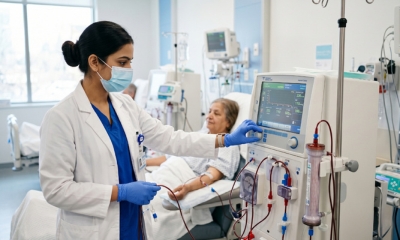
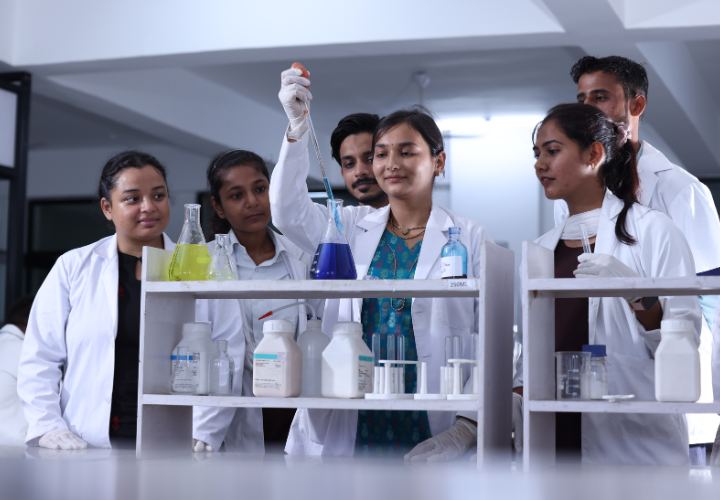
A Diploma in Laboratory Technician is a two-year Allied Health programme that trains students to work in medical laboratories. It includes topics such as anatomy, pathology, microbiology, and biochemistry, as well as hands-on training in working with lab equipment and sample collection, including blood and urine. Test laboratory reports help doctors understand a patient’s health condition.
In this diploma, students usually learn basic human body, blood testing, microbiology, biochemistry, laboratory equipment handling, and safety and hygiene in labs. After completing 12th with a science background, students can apply for this programme. It is a perfect career option for those who want to start a career in the healthcare field quickly and get job opportunities in a short time.
Diploma in Laboratory Technician at TMU is a full-time diploma programme that trains students in medical laboratory testing and diagnostics. TMU offers real-time clinical exposure through its attached hospital (Teerthanker Mahaveer Multi-Super-Speciality Hospital & Research Centre), where students observe and assist professionals in actual diagnostic procedures.


Apply For Admission
Diploma in Laboratory Technician FEES
A transparent breakdown of the investment in your future.
| S.No | Fee Details | Amount |
|---|---|---|
| 1 | Tuition Fee | Rs 48,600 /- ( per Semester ) |
| 2 | Examination Fee | As Applicable |
| 3 | Lab Charges | Rs 1,000 /- ( per Year ) |
| 4 | Enrolment Fee | Rs 1,000 /- ( One Time ) |
| 5 | Admission Registration Fee | Rs 5,000 /- ( One Time ) |
| 6 | Admission Processing Fee | Rs 2,500 /- ( One Time ) |
| 7 | Application Fee | Rs 1,000 /- ( One Time ) |
Diploma in Laboratory Technician Eligibility & Selection
Your pathway to joining our esteemed program. Understand the criteria and process.

Have questions about the criteria or process? Our admissions team is here to help!
Contact AdmissionsOur Esteemed Recruiting Partners
Connecting talent with industry leaders to foster successful careers and drive innovation.
Our network of esteemed recruiters is continuously growing. Stay tuned for updates.
Programmme Curriculum Diploma in Laboratory Technician
Laying the groundwork with fundamental scientific principles and an introduction to pharmaceutical sciences.
Continuing the exploration of core pharmaceutical subjects and introductory biochemistry.
Advancing into complex organic chemistry, physical pharmaceutics, and microbiology.
YOUR CAREER PATHWAYS Career Opportunities After Diploma in Laboratory Technician

Here are several prominent career paths you can pursue after earning your Diploma in Laboratory Technician:
- Management Consultant
- Marketing Manager
- Operations Manager
- Financial Analyst
- Human Resources Manager
- Business Development Manager
- Product Manager
- Supply Chain Manager
- Chief Executive Officer (CEO)
- Entrepreneur / Founder
- Strategy Director
- Healthcare Administrator
Programme Gallery




Programme Overview
A Diploma in Laboratory Technician is a short-term paramedical programme that trains students in performing diagnostic laboratory tests that help doctors identify and treat diseases. It covers subjects like anatomy, pathology, microbiology, and biochemistry, along with practical training in handling lab equipment and collecting samples such as blood and urine.
Explore Related Programmes