About
Diploma in Anaesthesia and Critical Care Technician
Discover how the Diploma in Anaesthesia and Critical Care Technician programme at TMU can shape your future and
empower you to make a meaningful impact in your chosen field.
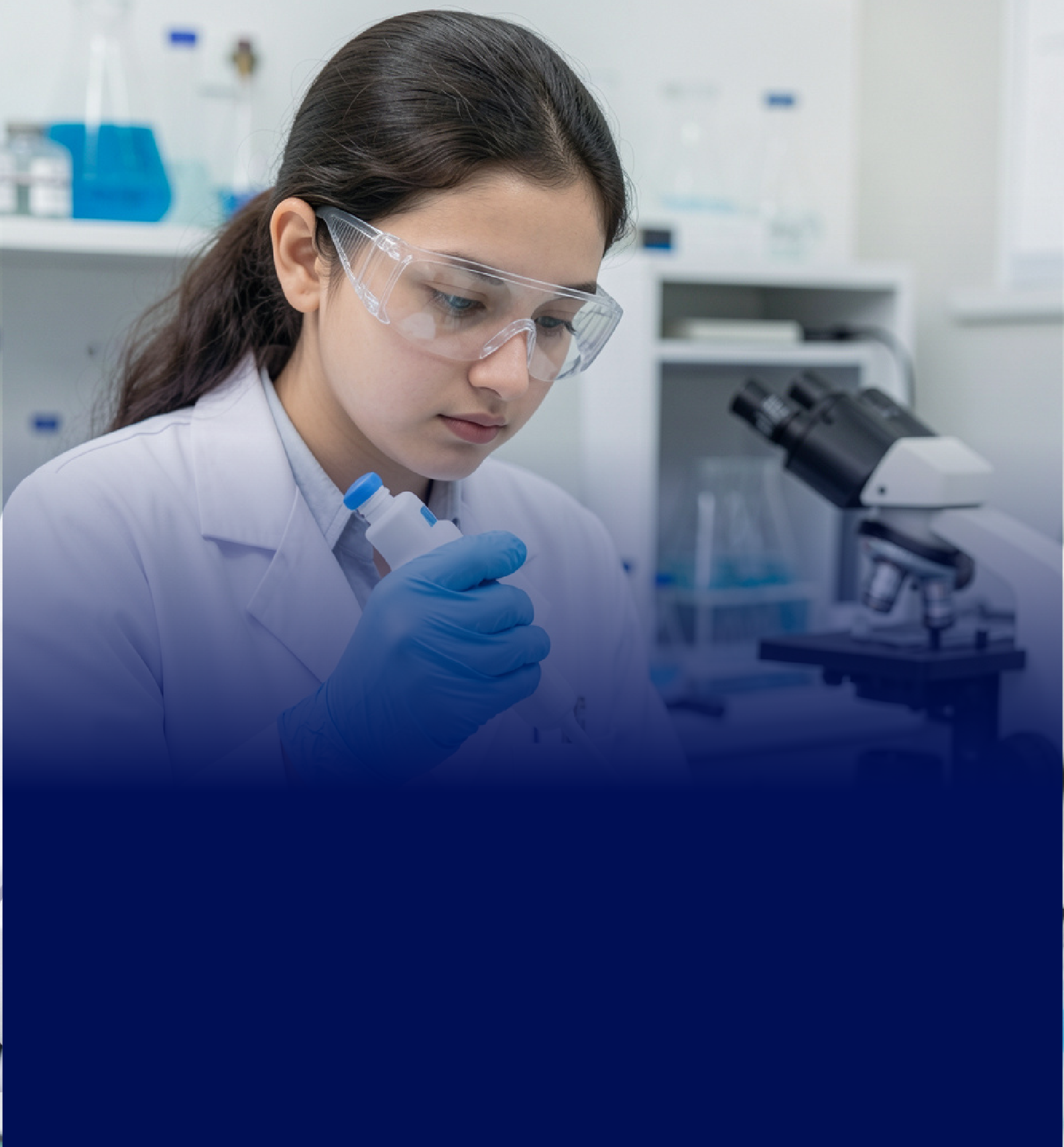
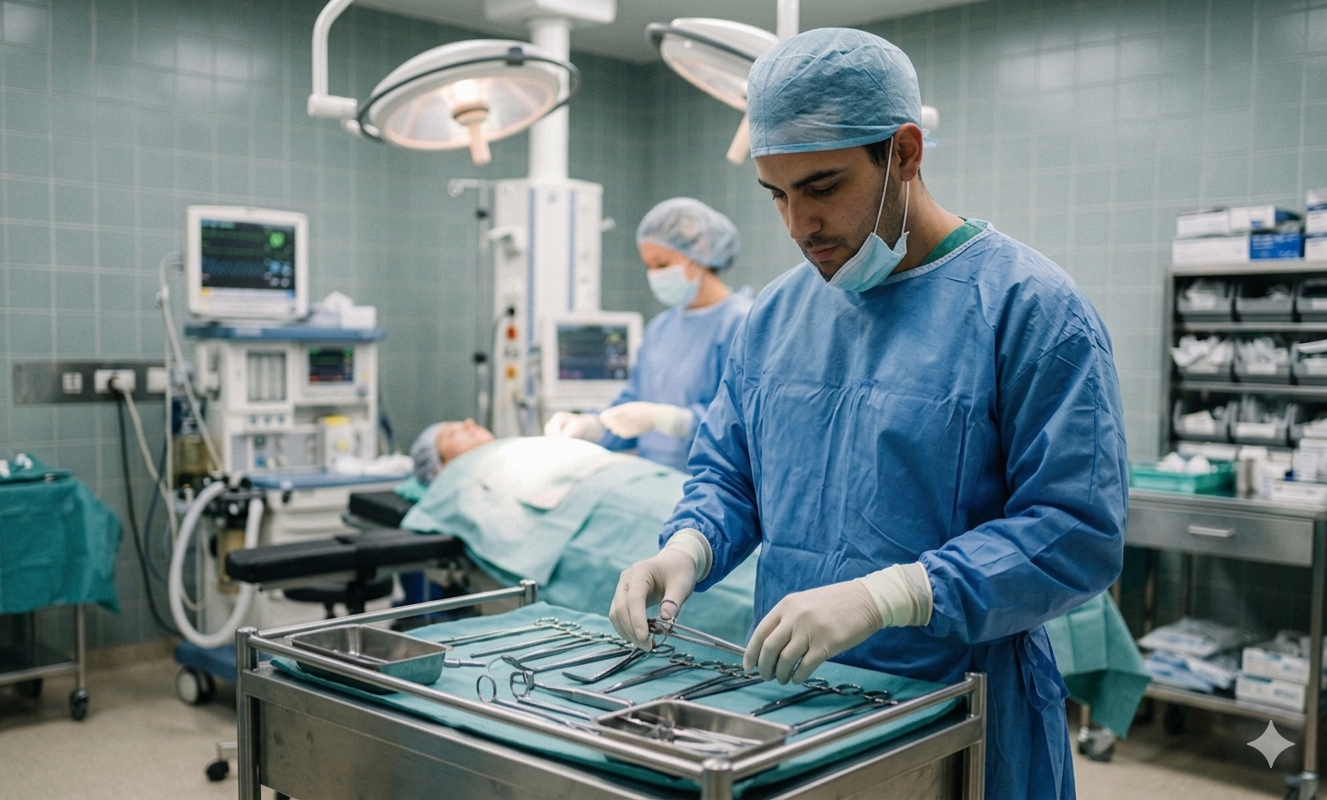
Diploma in Anaesthesia and Critical Care Technician is a specialised Allied Healthprogramme designed to train students in anaesthesia support, critical care management, and patient monitoring. The course equips learners with the technical knowledge and practical skills required to assist anaesthesiologists and critical care specialists during surgical procedures and in intensive care settings.
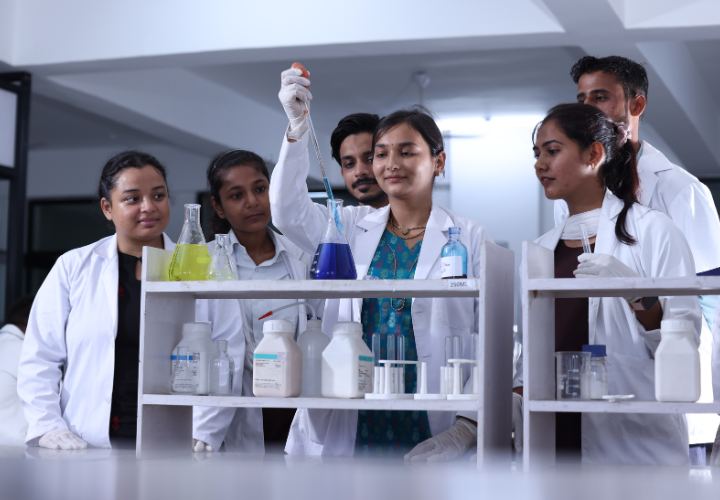
The curriculum integrates theoretical learning with hands-on clinical training, covering key areas such as anaesthesia techniques, operation theatre procedures, ventilator management, patient monitoring systems, emergency care, and infection control. Students also gain exposure to modern ICU equipment, real-time case scenarios, and hospital-based internships, enabling them to develop the competence needed to handle critical patients effectively.
At Teerthanker Mahaveer University (TMU), the programme emphasises practical exposure, advanced healthcare infrastructure, and industry-oriented training. With experienced faculty, access to well-equipped operation theatres and intensive care units, and strong placement support, TMU prepares students for career opportunities in hospitals, ICUs, surgical units, and critical care departments.
Apply For Admission
Diploma in Anaesthesia and Critical Care Technician FEES
A transparent breakdown of the investment in your future.
S.No
Fee Details
Amount
1
Tuition Fee
Rs 20,700 /-
( per Semester
)
2
Examination Fee
As Applicable
3
Lab Charges
Rs 1,000 /-
( per Year
)
4
Enrolment Fee
Rs 1,000 /-
( One Time
)
5
Admission Registration Fee
Rs 5,000 /-
( One Time
)
6
Admission Processing Fee
Rs 2,500 /-
( One Time
)
7
Application Fee
Rs 1,000 /-
( One Time
)
Diploma in Anaesthesia and Critical Care Technician
Eligibility & Selection
Your pathway to joining our esteemed program. Understand the criteria and process.
Eligibility Criteria
10+2 in Science stream with PCB/M and minimum 50% marks in aggregate
Criteria of Merit
Merit based on
percentage of
marks secured in
the qualifying
examination.
Have questions about the criteria or process? Our admissions team is here to help!
Our network of esteemed recruiters is continuously growing.
Stay tuned for updates.
Programmme Curriculum
Diploma in Anaesthesia and Critical Care Technician
Laying the groundwork with fundamental scientific principles and an introduction to pharmaceutical sciences.
Human Anatomy and Physiology I
BP101T4
Credits
Pharmaceutical Analysis I
BP102T4
Credits
Pharmaceutics I
BP103T4
Credits
Pharmaceutical Inorganic Chemistry
BP104T4
Credits
Continuing the exploration of core pharmaceutical subjects and introductory biochemistry.
Human Anatomy and Physiology II
BP201T4
Credits
Pharmaceutical Organic Chemistry I
BP202T4
Credits
Biochemistry
BP203T4
Credits
Pathophysiology
BP204T4
Credits
Advancing into complex organic chemistry, physical pharmaceutics, and microbiology.
Pharmaceutical Organic Chemistry II
BP301T4
Credits
Physical Pharmaceutics I
BP302T4
Credits
Pharmaceutical Microbiology
BP303T4
Credits
Pharmaceutical Engineering
BP304T4
Credits
YOUR CAREER PATHWAYS
Career Opportunities After Diploma in Anaesthesia and Critical Care Technician
Here are several prominent career paths you can pursue after earning your
Diploma in Anaesthesia and Critical Care Technician:
Management Consultant
Marketing Manager
Operations Manager
Financial Analyst
Human Resources Manager
Business Development Manager
Product Manager
Supply Chain Manager
Chief Executive Officer (CEO)
Entrepreneur / Founder
Strategy Director
Healthcare Administrator
Programme Gallery
1 of 1
Programme Overview
The Diploma in Anaesthesia and Critical Care Technician is a specialised Allied Healthprogramme focused on training students in anaesthesia support, operation theatre assistance, and critical care management. The course is designed to develop the technical skills required to assist anaesthesiologists during surgeries and manage critically ill patients in intensive care settings.
The programme typically has a duration of 2 years, combining theoretical instruction with practical training. Students study key subjects such as anaesthesia techniques, pharmacology basics, operating theatre protocols, ventilator management, patient monitoring, emergency care, and infection control. The course also includes clinical internships and hands-on training in hospitals, operating theatres, and ICUs, providing real-time exposure to surgical and critical care environments.
This diploma prepares graduates for roles in hospitals, intensive care units (ICUs), operation theatres, surgical departments, and emergency care units, where they assist in administering anaesthesia, support and monitoring patients. It also provides a strong foundation for further studies and specialisation in anaesthesia technology and critical care.
The Diploma in Anaesthesia and Critical Care Technician is a specialised Allied Healthprogramme designed to train students in anaesthesia support, operating theatre procedures, and critical patient care management. The course focuses on developing technical expertise in assisting anaesthesiologists, handling ICU equipment, and ensuring patient safety during surgeries and emergency situations.
Programme Detail
Information
Course Name
Diploma in Anaesthesia and Critical Care Technician
Course Level
Diploma
Duration
2 Years
Eligibility
10+2 in the Science stream with PCB/M and a minimum 50% marks in aggregate
Admission Process
Merit-based or entrance-based
Course Focus
Anaesthesia techniques, OT procedures, ventilator management, ICU care, and patient monitoring
Practical Training
Clinical training in hospitals, ICUs, and operating theatres
Career Roles
Anaesthesia Technician, Critical Care Technician, OT Assistant
Employment Areas
Hospitals, ICUs, operating theatres, surgical units, and emergency care departments
This programme provides hands-on clinical exposure, technical knowledge, and real-time training, preparing students for careers in anaesthesia support and critical care services within the healthcare sector.
To pursue a Diploma in Anaesthesia and Critical Care Technician, candidates must meet the required academic qualifications to effectively understand anaesthesia procedures, critical care practices, and patient monitoring techniques.
The eligibility criteria include:
Educational Qualification: Completion of 10+2 (Higher Secondary) from a recognised board
Stream Requirement: Must have studied the Science stream with PCB/M (Physics, Chemistry, Biology/Mathematics)
Minimum Marks: Minimum 50% aggregate marks in the qualifying examination
Age Criteria: Candidates should fulfil the minimum age requirement as per university norms
Basic Aptitude: Interest in anaesthesia technology, critical care, and healthcare services
Meeting these criteria enables students to enrol in the programme and build a strong foundation for a career in anaesthesia and critical care technology.
To perform effectively in high-risk clinical environments, students pursuing a Diploma in Anaesthesia and Critical Care Technician must develop a strong mix of technical, clinical, and interpersonal skills. These skills are essential for assisting during surgeries, managing critical patients, and ensuring patient safety in ICUs and operating theatres.
Key skills required include:
Technical Proficiency: Ability to handle anaesthesia machines, ventilators, and patient monitoring equipment
Knowledge of Anaesthesia & Critical Care: Understanding of anaesthesia techniques, ICU protocols, and patient management
Attention to Detail: Monitoring vital signs and ensuring precision during procedures
Patient Care Skills: Assisting patients before, during, and after surgical or critical care procedures
Emergency Response Ability: Quick action in life-threatening situations and familiarity with basic life support (BLS)
Communication Skills: Coordinating effectively with doctors, nurses, and surgical teams
Emotional Stability: Staying calm and focused in high-pressure and emergency environments
Teamwork: Working efficiently within multidisciplinary healthcare teams
Developing these skills enables professionals to support anaesthesia procedures and deliver effective critical care in healthcare settings.
Choosing the right institution is essential for building a career in anaesthesia and critical care. Teerthanker Mahaveer University (TMU) offers a comprehensive academic and clinical environment that ensures students gain hands-on experience, advanced technical skills, and real-time exposure to critical care settings.
Key reasons to choose TMU include:
Advanced Anaesthesia & ICU Infrastructure: Access to well-equipped operation theatres, recovery rooms, and specialised ICUs (RICU, SICU, ICCU) with modern monitoring systems and anaesthesia machines
Super-Speciality Teaching Hospital: Training at a 1000+ bed tertiary care hospital providing round-the-clock emergency, surgical, and critical care services
Hands-on Clinical Training: Real-time exposure to operating theatres, ventilator management, and critical patient monitoring, ensuring practical skill development
24×7 Emergency & Critical Care Exposure: Dedicated emergency and trauma units with ICU beds and advanced facilities for managing critical cases
Real-Time Case-Based Learning: Exposure to diverse surgical and critical care cases, enhancing clinical decision-making and technical competence
State-of-the-Art Infrastructure: Modern classrooms, simulation labs, and well-equipped paramedical laboratories for skill-based learning
Experienced Faculty & Clinical Mentorship: Guidance from qualified anaesthesiologists and critical care specialists ensures industry-relevant education
Recognised & Accredited Institution:
UGC Approved
Recognised by the UP State Medical Faculty
QCI Accreditation (Nursing & Paramedical)
Quality Council of India (QCI) – A-Grade (Nursing/Paramedical)
Strong Placement Support: Dedicated career assistance for placements in hospitals, ICUs, operating theatres, and emergency care units
With its focus on clinical exposure, advanced healthcare infrastructure, and industry-oriented training, TMU provides an ideal platform for students to build a successful career in anaesthesia and critical care technology.
Admissions are now open for the Diploma in Anaesthesia and Critical Care Technician for the 2026 academic session. This programme is designed to equip students with practical skills in anaesthesia support, ICU management, and critical care procedures, preparing them for roles in hospitals, operating theatres, and intensive care units.
Start your journey towards a career in critical healthcare with hands-on training, real-time clinical exposure, and industry-oriented learning.
Admission Process:
Application Submission: Fill out the application form through the official university admission portal (online/offline mode available)
Eligibility Check: Ensure you meet the required 10+2 in the Science stream with PCB/M and minimum 50% marks in aggregate
Document Submission: Submit academic certificates, ID proof, and passport-sized photographs
Merit-Based Selection: Admission is generally based on 12th marks or institutional criteria
Admission Confirmation: Complete the fee payment and enrolment process to secure your seat
Admissions for Allied Health diploma courses in India typically take place between April and September, and candidates are advised to apply early due to limited seat availability
Secure your admission now and take the first step towards a rewarding career in anaesthesia and critical care, where skilled professionals play a vital role in surgical procedures and life-saving patient management.
The scope after a Diploma in Anaesthesia and Critical Care Technician is strong due to the increasing demand for skilled professionals in operating theatres, ICUs, and emergency care units. With the growth of surgical procedures and critical care services, hospitals require trained technicians to assist in anaesthesia administration and patient monitoring.
Career Opportunities
Anaesthesia Technician: Assists anaesthesiologists during surgeries and manages anaesthesia equipment
Critical Care Technician: Monitors and supports critically ill patients in ICUs
Operation Theatre (OT) Technician: Assists in surgical procedures and maintains OT equipment
ICU Assistant: Supports patient care and monitoring in intensive care units
Emergency Care Technician: Assists in handling critical cases in emergency departments
Employment Areas
Multi-speciality hospitals
Intensive Care Units (ICUs)
Operating theatres and surgical units
Emergency and trauma care departments
Private clinics and healthcare facilities
Government hospitals and medical institutions
With experience and additional certifications, professionals can advance into specialised roles in critical care, advanced anaesthesia technology, or surgical assistance. Overall, this diploma offers excellent career prospects in India’s growing healthcare sector, where skilled technicians play a crucial role in patient care and life-saving procedures.
The salary after a Diploma in Anaesthesia and Critical Care Technician in India varies based on experience, skills, and the type of healthcare organisation. Professionals typically start in entry-level roles and see steady growth with clinical exposure and advanced certifications.
Average Salary Structure
Experience Level
Average Salary
Fresher (0–1 Year)
₹10,000 – ₹18,000 per month
Entry-Level (1–3 Years)
₹18,000 – ₹30,000 per month
Mid-Level (3–5 Years)
₹30,000 – ₹45,000 per month
Experienced Professionals
₹45,000+ per month
According to industry data, the average salary of an anaesthesia technician is around ₹17,000–₹18,000 per month in India. On an annual basis, salaries typically range between ₹1 lakh and ₹5.2 lakh, depending on experience and employer.
Factors Affecting Salary
Experience and hands-on clinical exposure
Type of employer (government hospital, private hospital, ICU setup)
Location and demand for critical care services
Additional certifications (BLS, ACLS, ICU or ventilator training)
With experience and specialised training, professionals can advance into senior roles such as critical care technician, anaesthesia technologist, or OT supervisor, leading to higher salary packages and strong career growth in India’s expanding healthcare sector.
Q1: What is anaesthesia and critical care?
Ans: Anaesthesia and critical care are specialised areas of healthcare focused on pain management, patient stabilisation, and life support. Anaesthesia involves administering medications to prevent pain and keep patients unconscious or sedated during surgical procedures. Critical care deals with the treatment and monitoring of seriously ill patients in intensive care units (ICUs), using advanced equipment like ventilators and monitoring systems. Together, they ensure patient safety during surgery and provide continuous care for those with life-threatening conditions.
Q2: What is the 2 4 6 rule for anaesthesia?
Ans: The 2-4-6 rule in anaesthesia refers to a commonly used guideline for fasting before surgery to reduce the risk of aspiration during anaesthesia. It means patients should avoid solid foods for 6 hours, breast milk for 4 hours, and clear liquids for 2 hours before the procedure. This protocol helps ensure the stomach is empty, improving patient safety during anaesthesia administration and minimising complications related to regurgitation or aspiration.
Q3: Can I join anaesthesia without NEET?
Ans: Yes, you can join anaesthesia-related courses without NEET, depending on the programme type. NEET is mandatory for medical degree programmes such as MBBS and MD Anaesthesiology, which are doctor-level degrees. However, for Allied Health programmes like a Diploma in Anaesthesia and Critical Care Technician, admission is usually based on 10+2 (Science stream with PCB/M and minimum 50% marks) and is often merit-based. These courses train students to assist anaesthesiologists in operation theatres and ICUs, offering a viable healthcare career path without NEET.
Q4: Is anaesthesia a lot of math?
Ans: Anaesthesia is not heavily math-focused, but it does require a basic understanding of calculations. Professionals must handle dosage calculations, drug concentrations, IV fluid rates, and monitoring parameters accurately. These involve simple arithmetic, ratios, and unit conversions rather than advanced mathematics. Most of the work relies more on clinical knowledge, patient monitoring, and technical skills. With proper training during a diploma or degree programme, students become comfortable with the required calculations, making math a manageable part of anaesthesia practice.