



PhD in Engineering: Admission, Eligibility, Duration & Career Opportunities
Table of Contents
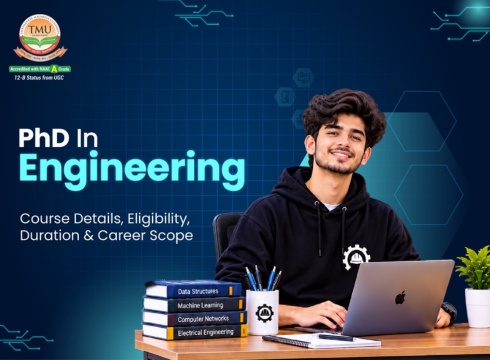
A PhD in Engineering is the highest academic degree in the field of engineering. It is a doctoral-level research programme that allows students to gain advanced knowledge and expertise in a specialised engineering discipline. The programme focuses on developing research skills, solving complex technical problems, conducting experiments, and developing innovative technologies.
It is suitable for students who want to pursue careers in research, innovation, academia, or advanced technical roles. During the programme, students work on a specialised research topic under the guidance of an experienced research supervisor and complete a thesis based on their findings.
Duration of PhD in Engineering
The programme generally takes 3 to 6 years to complete, depending on the research topic, university guidelines and the student's progress.
During the course, students generally complete research coursework, literature reviews, experiments, data analysis, research publications and thesis preparation.
Teerthanker Mahaveer University
Apply for Admission
Apply for Admission
PhD in Engineering: Course Highlights
| Particulars | Details |
| Course Name | PhD in Engineering |
| Full Form | Doctor of Philosophy in Engineering |
| Course Level | Doctoral |
| Course Duration | Minimum 3 years, including coursework, as per applicable regulations |
| Eligibility | Relevant postgraduate degree, generally with at least 55% marks or equivalent |
| Admission Process | Entrance Test and Interview |
| Course Mode | Full-time / Part-time |
| Specialisations | CSE, Mechanical, Civil, Electrical and more |
| Main Focus | Research, innovation and development |
Who Can Pursue a PhD in Engineering?
- M.Tech/M.E. Graduates: Students with a postgraduate degree in engineering or technology can apply for a PhD in a relevant specialisation.
- B.Tech/B.E. Graduates: Candidates with a bachelor's degree and excellent academic records may be eligible for direct PhD admission, subject to university requirements.
- Working Professionals: Engineers working in industries, research organisations, or technical institutions can pursue a PhD to advance their research and professional careers.
- M.Sc. Graduates: Students with a master's degree in science or a related discipline may apply for interdisciplinary engineering research, depending on eligibility criteria.
Eligibility Criteria
To pursue a PhD in engineering, students must fulfil the following eligibility criteria:
- Must have a master’s degree in engineering or technology or a relevant discipline, such as M.Tech or M.E.
- Need at least 55% marks or an equivalent grade in their qualifying postgraduate degree
- Candidates with relevant qualifications and research interests may apply for their chosen engineering specialisation.
- Students with a four-year bachelor's degree may also be eligible under applicable UGC regulations if they meet the prescribed marks and other requirements.
What Will You Study in a PhD in Engineering?
A PhD in engineering does not follow a mixed syllabus like undergraduate or postgraduate programmes. However, students generally study the following areas:
- Research Methodology: Understanding research techniques, data collection and scientific investigation.
- Research and Publication Ethics: Learning ethical research practices, plagiarism prevention and academic integrity.
- Advanced Subject Studies: Developing specialised knowledge in the selected engineering discipline.
- Literature Review: Analysing existing research papers, journals and publications to identify research gaps.
- Research Proposal: Preparing a structured plan for the proposed research work.
- Thesis Writing: Documenting research findings, analysis and conclusions in a doctoral thesis.
Popular PhD in Engineering Specialisations
Common specialisations include:
- Computer Science and Engineering
- Mechanical Engineering
- Civil Engineering
- Electrical Engineering
- Electronics and Communication Engineering
- Biotechnology Engineering
How to Get Admission to a PhD in Engineering?
Admission to a PhD generally involves the following steps:
- Check Eligibility: Candidates must have a relevant master's degree, such as M.Tech or M.E., or meet the university's direct PhD admission criteria.
- Choose a Research Specialisation: Select an engineering research area, such as Computer Science, Mechanical Engineering, Civil Engineering, Electrical Engineering, or Electronics.
- Apply to the University: Fill out the application form and submit the required academic documents.
- Qualify for the Entrance Examination: Appear for the university-level entrance test or an accepted national-level examination, as applicable.
- Attend the Research Interview: Shortlisted candidates may need to present their research interests and explain their proposed research area before an interview panel.
- Complete Admission Formalities: After selection, submit the required documents and pay the admission fees to confirm your seat.
PhD in Engineering: Career Opportunities
A PhD in Engineering opens opportunities in academic institutions, research organisations, government departments and private industries. Some popular career opportunities include:
- Research Scientist
- Professor or Lecturer
- R&D Engineer
- Engineering Consultant
- Data Scientist
- Technical Director
- Project Manager
- Postdoctoral Researcher
- Scientific Researcher
- Semiconductor Research Engineer
- Materials Scientist
Average Salary in India
| Experience Level | Average Annual Salary |
| Fresher (0–2 Years) | ₹5–8 LPA |
| Average (3–7 Years) | ₹10–18 LPA |
| Experienced (8+ Years) | ₹18–30+ LPA |
Salary Based on Job Roles
| Job Role | Average Annual Salary |
| University Professor | ₹6–15 LPA |
| Research Scientist | ₹5–20 LPA |
| R&D Engineer | ₹8–25 LPA |
| Engineering Consultant | ₹6–18 LPA |
| Data Scientist | ₹7–25 LPA |
| Robotics Engineer | ₹6–15 LPA |
| AI Research Scientist | ₹10–25 LPA |
| Aerospace Engineer | ₹6–18 LPA |
Note: These are indicative salary estimates, not guaranteed packages. Actual salaries vary depending on the employer, specialisation, location, and research experience.
Why Choose TMU for a PhD in Engineering?
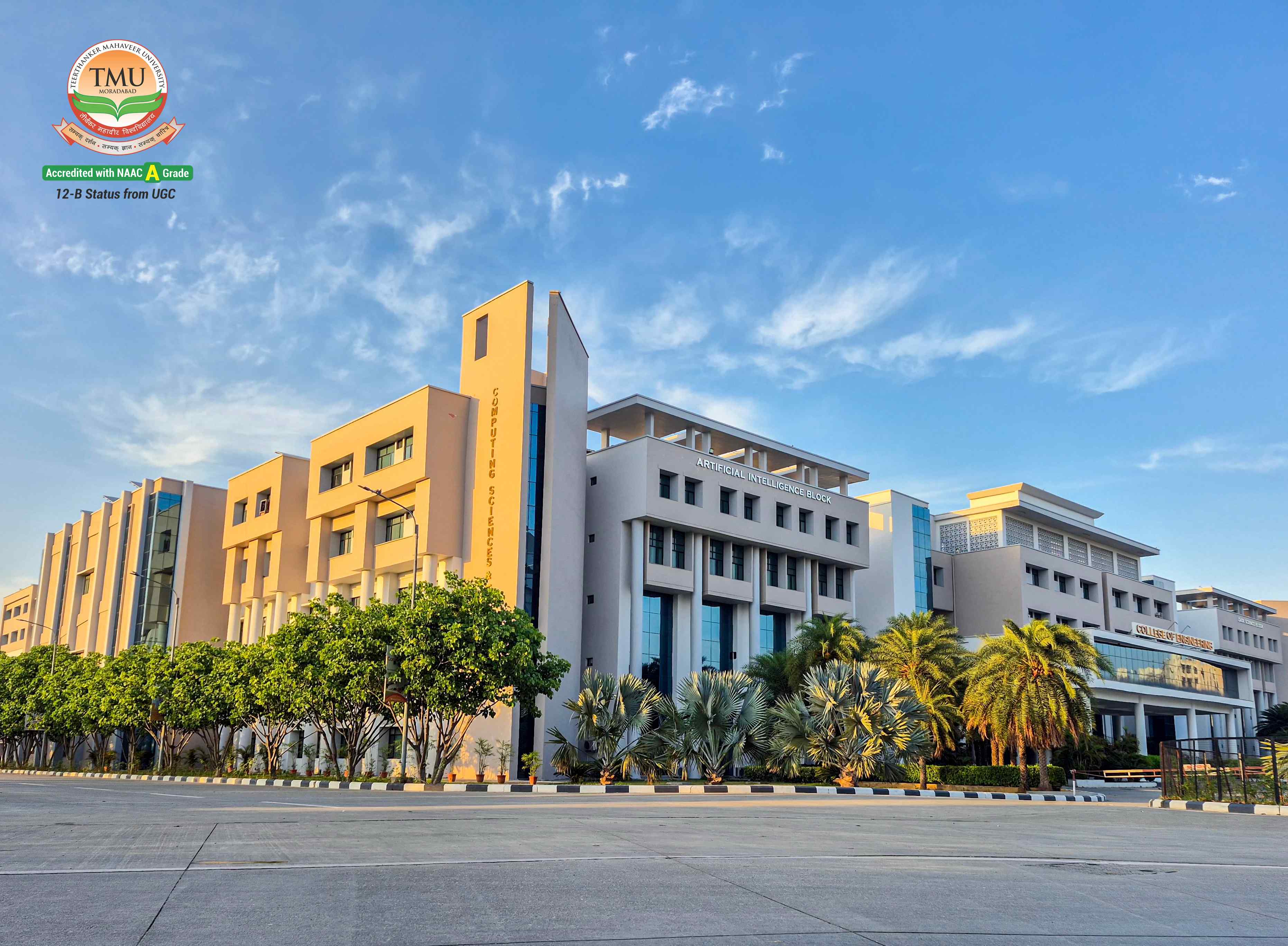
Choosing the right university is an important step for students looking to pursue a PhD in engineering. Teerthanker Mahaveer University offers a research-focused academic environment where students can develop their research skills and gain a depth of knowledge in their chosen engineering specialisation. Here are some reasons to choose TMU for a PhD in engineering:
- Experienced Faculty
- Research-Oriented Environment
- Multiple Research Specialisations
- Advanced Research Facilities
- Interdisciplinary Research Opportunities
- Research and Development Centre
- Research Publication Opportunities
Conclusion
Whether you are interested in artificial intelligence, mechanical systems, sustainable infrastructure or electrical technologies, a doctoral degree can open different career paths in academia, research and industrial development. Before applying, compare university research facilities, faculty expertise, available specialisations and admission requirements to make an informed decision.
FAQ
Q1. How many years does it take to complete a PhD in engineering?
Ans. A PhD in engineering generally takes a minimum of three years, including coursework and may extend up to six years under applicable regulations.
Q2. Can I do a PhD in engineering after BTech?
Ans. Yes, eligible candidates with a four-year bachelor's degree and the prescribed marks may apply under applicable UGC regulations.
Q3. Is GATE compulsory for a PhD in engineering?
Ans. No, GATE is not compulsory for every PhD programme. Admission requirements depend on the university and its selection process.
Q4. What is the minimum qualification for a PhD in engineering?
Ans. Generally, candidates need a relevant Master's degree with at least 55% marks or an equivalent grade, subject to applicable eligibility rules.
Q5. Which PhD specialisation is best in Engineering?
Ans. Computer Science, Mechanical, Civil, and Electrical and Electronics Engineering are popular options. The best specialisation depends on your research interests and career goals.
Q6. Can I pursue a PhD in engineering part-time?
Ans. Yes, many universities offer part-time PhD programmes for eligible working professionals, subject to university regulations.
This content gives an overview of the programme and is for educational purposes only. For updated admission guidelines and counselling support, please connect with our Counsellor Team.