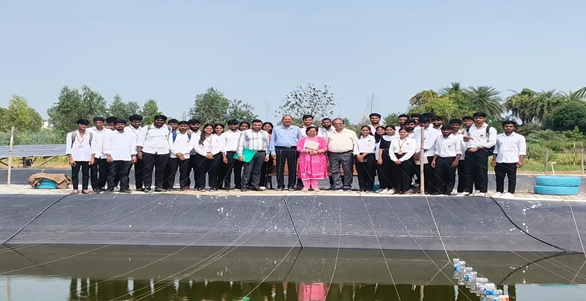




Integrated Water Management and Groundwater Recharge
Teerthanker Mahaveer University, Moradabad, is committed to promoting environmental sustainability and responsible use of water. We at TMU follow a structured action plan to reduce water consumption, recycle wastewater, and enhance groundwater recharge within the campus. This supports the University’s commitment to sustainability, environmental responsibility, and efficient water resource management.
We promote responsible water use through conservation practices, wastewater recycling, rainwater harvesting, and groundwater recharge mechanisms such as recharge pits, recharge ponds/lakes, and efficient irrigation systems.
Strategic Action Plan
Water Use Reduction
The University adopts multiple strategies to minimize the consumption of water:
- Installation of water-efficient fixtures such as low-flow taps and dual-flush toilets.
- Routine inspection and repair of leakages in pipelines and plumbing systems.
- Promotion of water conservation awareness campaigns among students, faculty members and staff.

Dual flush
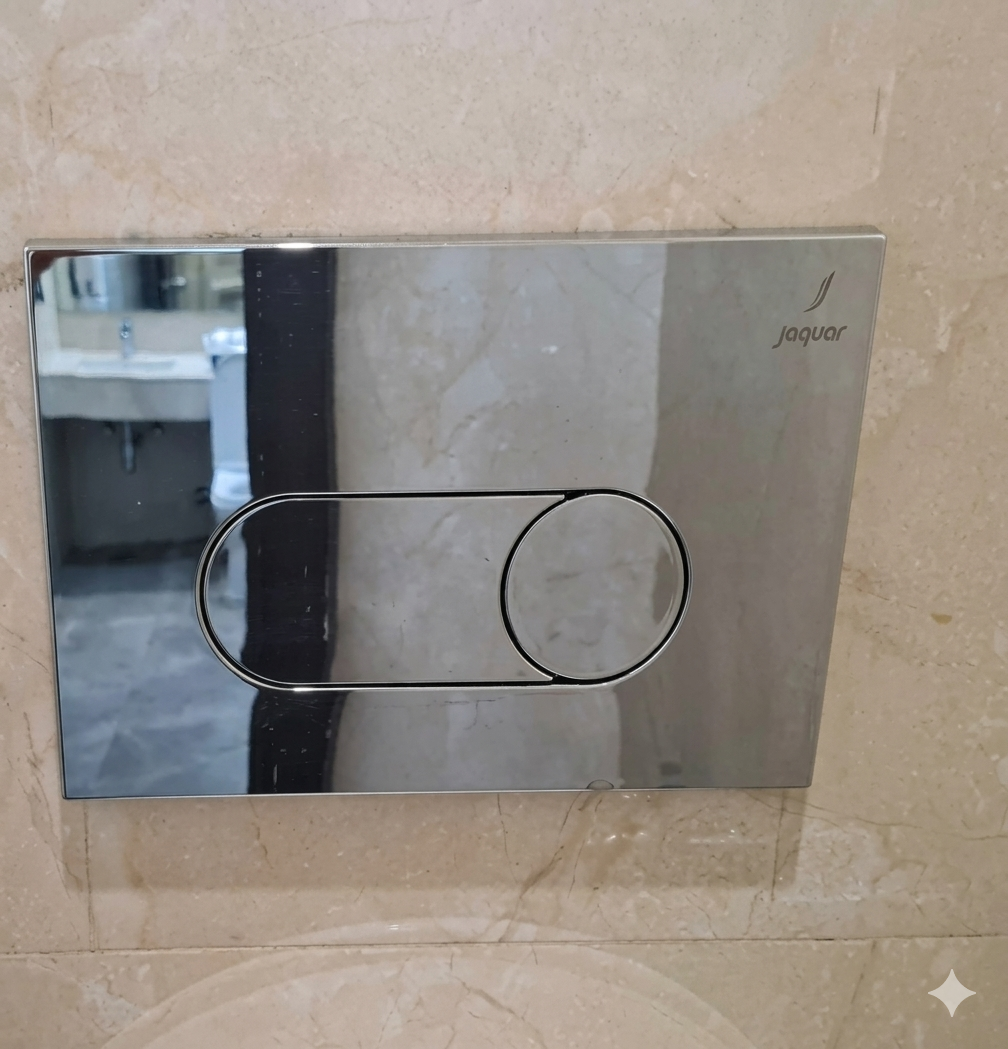
Smart Sensor-Based Urinal
Wastewater Recycling and Reuse
The campus operates an advanced Sewage Treatment Plant (STP), where wastewater is treated and reused for horticulture, landscaping, agriculture, and other non-potable purposes. A significant portion of the campus water requirement is met through this recycling system, demonstrating the University’s commitment to sustainable resource management.
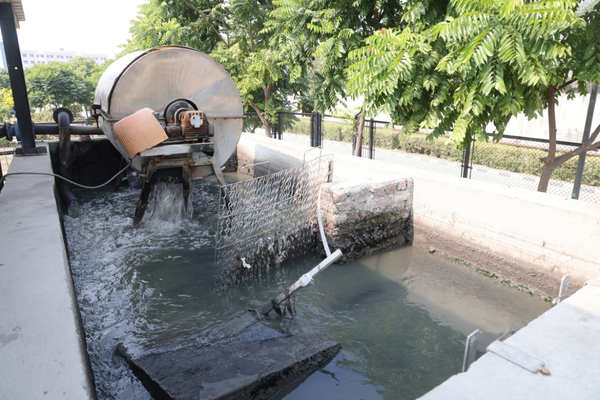
Filtering screen at STP

Pond for Water Conservation
Groundwater Recharge Measures
The university has implemented 03 groundwater recharge initiatives including:
Recharge Pits
- TMU have 03 recharge pits of recharge capacity that is 18000/36000 liters per at strategic locations in the campus to allow rainwater infiltration into the ground.
- Recharge pits are connected to the rooftop rainwater harvesting system.
Recharge Ponds / Lakes
- TMU maintenances in campus pond of capacity of 10 million liters, which not only collect rain water runoff but also contributes significantly in the ground recharge.
- These water bodies serve as a groundwater recharge structures and ecological habitats that support campus biodiversity.
Rainwater Harvesting Systems
- Installation of rooftop rainwater harvesting systems in institutional buildings.
- Collected rainwater is directed to recharge pits, ponds, and storage tanks.
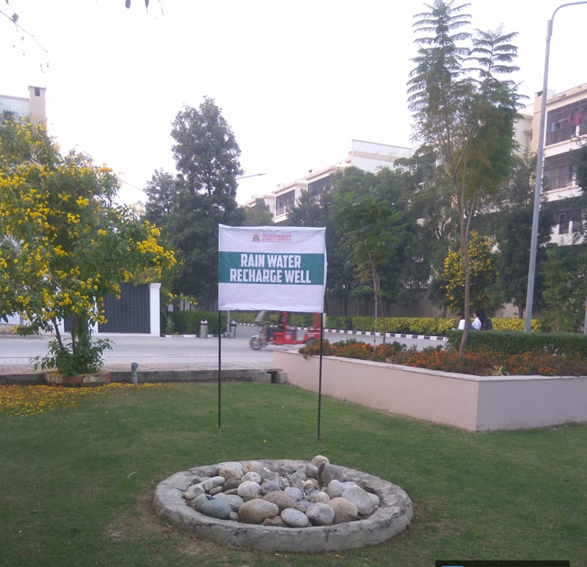
Rain Water Recharge Well
Sustainable Irrigation Systems
TMU has adopted various irrigation methods, which supports to reduce the wastage of water including:
- Adoption of sprinkler irrigation systems for lawns and gardens.
- Use of drip irrigation.
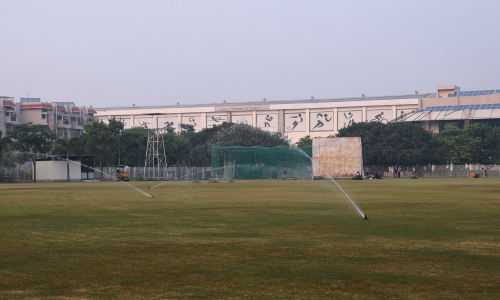
Sprinklers irrigation System
Landscaping and Green Infrastructure
- Promotion of native and drought-resistant plant species to minimize irrigation requirements.
- Development of permeable landscapes to improve natural groundwater recharge.
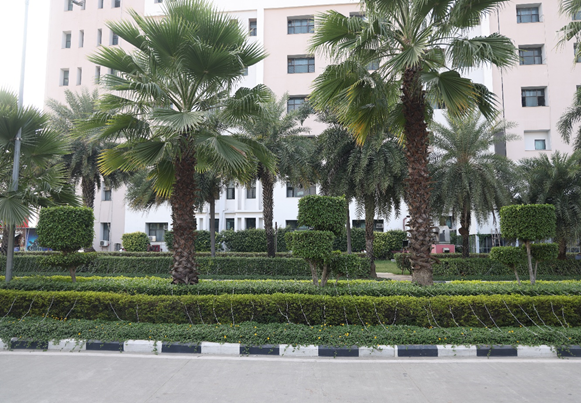
Drought-Tolerant Plants
Awareness and Capacity Building
Teerthanker Mahaveer University organizes:
- Workshops and training sessions on water conservation.
- Student engagement programs related to sustainable water management.
- Awareness campaigns on rainwater harvesting and groundwater recharge.
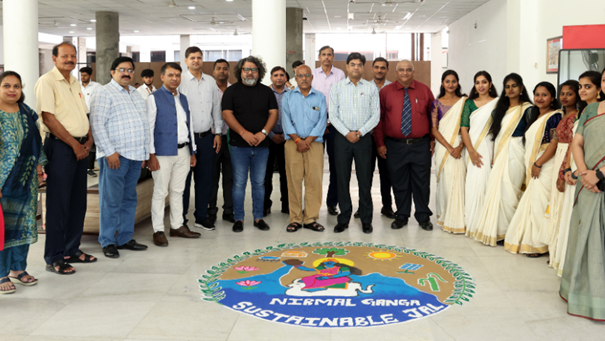
Ganga Rejuvenation and Water Sustainability (Nirmal Ganga)
Off-Campus Water Conservation
We at TMU not only educate and raise awareness among our students, faculty members, and staff, but we also conduct various outreach activities through the students of the College of Agricultural Sciences to promote sustainability and awareness among nearby villagers within a radius of 50 km from the main campus. We conduct various drives and campaigns to save water and minimize its usage. Our faculty members and students from the College of Agricultural Sciences visit and camp in villages to educate communities about different methods of rainwater harvesting and its effective use thereafter.