



Waste Management Practices
The University prioritizes sustainable waste management by mandating source segregation to divert waste from landfills, aligning with green audit standards and UN SDGs 11 and 12. This initiative prevents mixed waste disposal, enabling efficient recycling, composting, and its reuse.
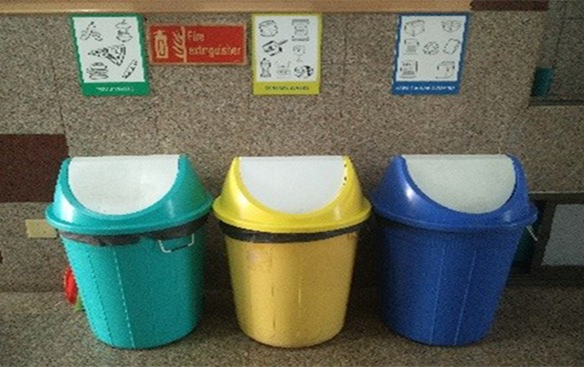
Dustbins
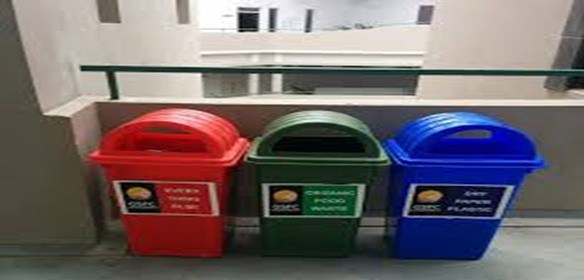
Dustbins
We have installed these color-coded dustbins at various places across the campus to collect the various categories of waste and segregate the waste at source into wet/Dry/ E- waste/hazardous categories.
Organic Waste Management
The University has a robust organic waste management system in place to minimize landfill disposal and promote sustainability. Biodegradable waste, primarily food scraps from messes and canteens, garden trimmings, leaves, and grass, is systematically diverted from landfills through on-campus treatment. TMU employs multiple eco-friendly methods for organic waste. Food waste is collected daily and procured by nearby piggery farms, ensuring complete utilization as animal feed. Garden waste, including tree leaves and grass, is directed to the compost unit in the College of Agriculture Sciences to produce organic fertilizer for campus gardening, nurseries, and floriculture.
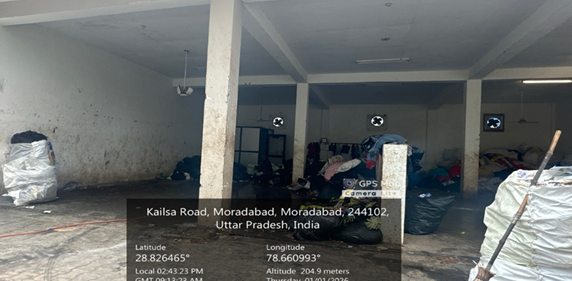
Waste Collection Facility
E-Waste Management
TMU has a defined mechanism for the collection, segregation, and secure storage of obsolete computers, peripherals, networking hardware and other electronic items before disposal. The University has tie up with Malik associate for environmentally sound recycling and final disposal of electronic waste, with a commitment to follow all applicable e‑waste rules, regulations and codes of practice. The service provider ensures use of appropriate technology and compliant processes, while TMU complements this system through awareness activities and green campaigns that sensitize students and staff towards responsible e‑waste handling and reduced electronic footprint on campus.
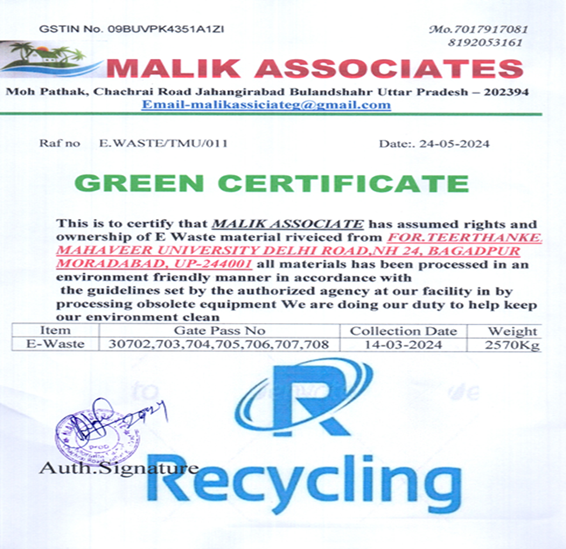
TMU has an extensive it policy on this.
Plastic Waste Reduction
Promotion of alternatives like reusable or biodegradable materials
The University supports the use of biodegradable materials such as paper-based packaging, compostable plates, wooden cutlery, and eco-friendly stationery. Awareness campaigns and sensitization drives are conducted on a regular basis to highlight the harmful effects of plastic waste and the benefits of sustainable alternatives. During the University events, functions, and outreach programs, efforts are made to minimize the use of plastic and promote responsible consumption practices. TMU encourages its Vendors and campus service providers to shift towards eco-friendly packaging and other non-plastic alternatives.
Initiatives to eliminate single-use plastics on campus.
TMU is committed towards environmental sustainability through proactive plastic waste reduction strategies, aligning with national goals like Swachh Bharat Mission and United Nations Sustainable Development Goal-12 (Responsible Consumption and Production). TMU has taken various initiatives including a campus-wide ban on single-use plastic items such as bottles, straws, cutlery, bags, and installation of refill stations (Drinking water) installed at various locations such as hostels, canteens, and academic blocks, Indoor Stadium, administrative block, faculty block, and Guesthouse to avoid the use of plastic bottles for consumption of water in the campus. In a major shift, canteens have transitioned to steel utensils for their day-to-day cutlery requirements. Awareness drives, including workshops and posters, engaged various participants.
Hazardous Waste Management
The University has instituted a structured hazardous waste management system aligned with its multi‑specialty hospital, laboratories, and campus utilities, ensuring safe handling from source to final disposal. Hazardous wastes primarily arise as biomedical waste, laboratory chemicals, and chemical effluents; each stream is managed through defined protocols, trained personnel, and authorized agencies.
Biomedical waste from the hospital and health‑science units is segregated at source, stored in colour‑coded containers and handed over to an authorized Common Biomedical Waste Treatment Facility under a formal MoU, ensuring compliant transportation, treatment, and disposal as per Biomedical Waste Management Rules. Laboratory chemicals and hazardous liquid waste from science, pharmacy, dental, and medical laboratories are handled as per the guidelines, with controlled storage, labelled containers, and restricted access. A dedicated Effluent Treatment Plant (ETP) of 200 KLD capacity treats hazardous liquid effluents before safe discharge or reuse, preventing contamination of soil and water.