



What is Game Design? Course Details, Skills and Career Path
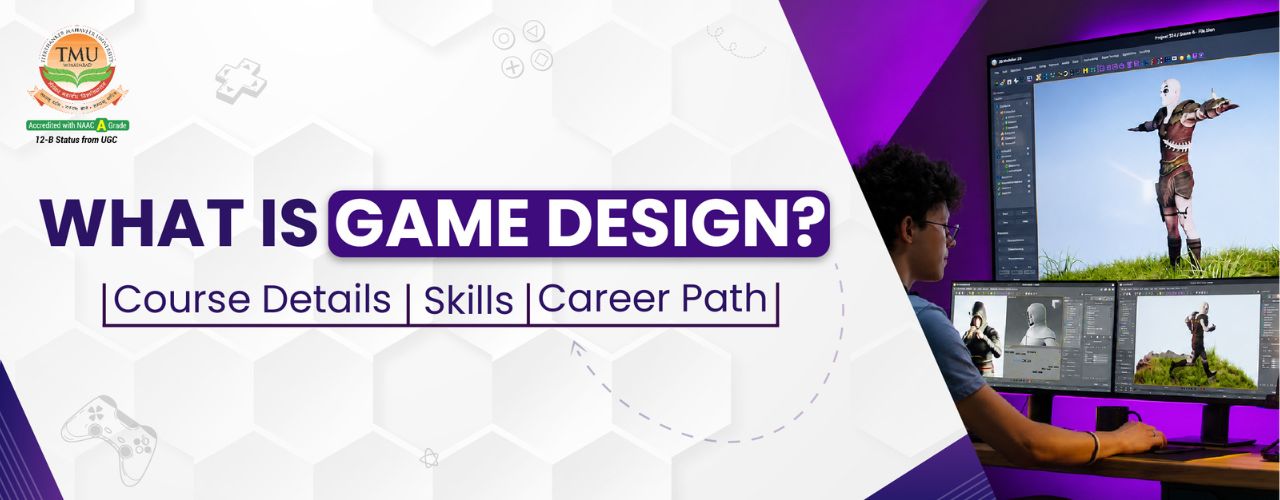
Table of Contents
Game design is the creative and technical process of planning how a video game works, feels and engages players. A game designer develops the game's concept, rules, characters, levels, challenges, story, and gameplay mechanics to create an enjoyable gaming experience. Whether it's mobile, PC, console or VR games, game designers play a crucial role in bringing interactive entertainment to life.
With India's gaming industry growing rapidly, game design has become a promising career choice for students interested in creativity, storytelling, technology, and problem-solving. If you are also looking for game-design courses after 12th, this article discusses everything you need to know, such as course details, eligibility, skills, job opportunities, salary, scope, etc.
Read More: UI/UX Design Course: Complete Overview, Duration and Scope
Types of Games Design
- Mobile Games
- PC Games
- Console Games
- Virtual Reality (VR) Games
- Augmented Reality (AR) Games
- Educational Games
- Multiplayer Online Games
- Simulation Games
Teerthanker Mahaveer University
Apply for Admission
Apply for Admission
Game Design Course Highlights
- Course Name: B.Des in Game Design / BSc in Game Designing/BSc Animation with a major specialisation in Game Design
- Course Level: Diploma, Undergraduate (UG), and Postgraduate (PG)
- Duration: 1–4 years (depending on the programme)
- Eligibility: 10+2 from a recognised board
- Admission Process: Merit-based or entrance exam (varies by institute)
- Internship: Offered by many institutes as part of the curriculum
- Career Opportunities: Game Designer, Level Designer, Game Artist, Character Designer, UI/UX Designer, Narrative Designer, QA Tester, Game Producer
- Top Recruiters: Ubisoft, Electronic Arts (EA), Rockstar Games, Gameloft, Zynga, Nazara Technologies, SuperGaming, Reliance Games
- Average Starting Salary: ₹3–6 LPA (can increase significantly with experience and skills)
Eligibility Criteria
| Programme Level | Eligibility Criteria |
| Diploma | Passed Class 10 or 10+2 from a recognised board. |
| Undergraduate (UG) | Completed 10+2 from a recognised board with a minimum of 45–50% aggregate marks (varies by institution). |
| Postgraduate (PG) | Bachelor's degree in any discipline from a recognised university. Some institutes may also require a design portfolio and/or entrance test for admission. |
What are the Subjects Covered in Game Design?
Students learn both creative and technical aspects of game development. Common subjects include:
- Introduction to Game Designing
- Game Theory
- Character Design
- Level Design
- Storytelling
- UI/UX Design
- Game Programming Basics
- 2D & 3D Animation
- Computer Graphics
- Artificial Intelligence in Games
- Unity & Unreal Engine
- Game Testing and Quality Assurance
- Sound Design
- Mobile Game Development
- Project Development
Popular Software and Tools Used
- Unity
- Unreal Engine
- Blender
- Autodesk Maya
- Adobe Photoshop
- Figma
- Visual Studio
- Git
- Substance Painter
What are the Top Job Roles After a Game Design Course?
Graduates can work in gaming studios, animation companies, IT firms, AR/VR companies, simulation firms, and ed-tech organisations.
Popular job roles include:
| Job Role | Primary Responsibility |
| Game Designer | Design gameplay, mechanics, and levels |
| Level Designer | Create engaging game environments |
| Character Designer | Design game characters |
| Narrative Designer | Develop stories and dialogues |
| UI/UX Designer | Improve player experience |
| Game Artist | Create visual assets |
| Technical Designer | Bridge design and programming |
| Game Producer | Manage game development projects |
| QA Tester | Test games for bugs and quality |
| Game Developer | Build games using programming languages |
Salary After Game Design Course in India
Salaries depend on skills, experience, company, and location.
| Experience | Average Annual Salary |
| Freshers | ₹3–6 LPA |
| 2–5 Years | ₹6–12 LPA |
| 5–10 Years | ₹12–20 LPA |
| Senior Professionals | ₹20 LPA+ |
Read More: BSc Animation Course: Eligibility, Admission Process, Fees, Syllabus & Top Colleges
Top Recruiters
- Ubisoft
- Electronic Arts (EA)
- Rockstar Games
- Nazara Technologies
- Zynga
- Gameloft
- Tencent Games
- SuperGaming
- Reliance Games
- Octro
- nCore Games
What is the Future Scope?
The future scope of a gaming career is promising as India's gaming industry continues to expand with the growth of mobile gaming, esports, cloud gaming, AR/VR and immersive digital technologies. As per a study by PwC India, the Indian online gaming industry was valued at ₹33,000 crore in 2023 and is expected to reach ₹66,000 crore by 2028 with a projected CAGR of 14.5%.
These trends suggest a growing employment potential for game designers, level designers, game artists, UI/UX designers, narrative designers, game developers, and AR/VR specialists. Skilled game designers are expected to find opportunities in:
- Mobile game development
- AAA game studios
- Esports industry
- Virtual Reality (VR)
- Augmented Reality (AR)
- Metaverse projects
- Educational gaming
- Healthcare simulations
- Defense and military simulations
- Corporate training solutions
Skills Required for Game Designers
Successful game designers need a combination of creative, technical, and analytical skills.
- Creativity
- Storytelling
- Communication skills
- Teamwork
- Character development
- Basic programming knowledge
- UI/UX understanding
- 2D and 3D design concepts
Why Choose TMU?
Choosing the right university is an important step toward building a successful career in the gaming and digital entertainment industry. At Teerthanker Mahaveer University, the BSc Animation programme is designed with a Major specialisation framework, allowing students to personalise their academic journey based on their interests and career aspirations.
Students can choose from specialisations such as Game Design, Visual Effects (VFX), 2D & 3D Animation, Graphic Design, Motion Graphics, UI/UX Design, Digital Filmmaking, Multimedia Design, AR/VR, and other emerging fields.
Key Highlights of TMU
- Industry-Oriented Curriculum
- Hands-on Learning
- Modern Labs and Infrastructure
- Experienced Faculty
- Skill Development and Career Support
Conclusion
If you are interested in creativity, storytelling, and technology, this course is a fun and exciting career path. With the continued growth of the gaming industry in India and around the world, there is a growing need for skilled game creators in the field of mobile gaming, console development, AR/VR, esports, and simulation technology. By pursuing a quality game-designing course and building a strong portfolio, students can unlock rewarding career opportunities in one of the most dynamic industries today.
FAQ
Q1. What is game design?
Ans. Game design is the process of creating a game's concept, gameplay, characters, levels, rules, and overall player experience to make it engaging and enjoyable.
Q2. Who is eligible for a game-design course?
Ans. Students who have completed 10+2 from a recognised board are generally eligible for undergraduate game design courses. Eligibility may vary depending on the institute and programme.
Q3. Is game-designing a good career?
Ans. Yes, game designing is a promising career due to the growing gaming industry and increasing demand for skilled professionals in game studios, AR/VR, and digital entertainment.
Q4. What skills are required for game designing?
Ans. A game designer should have creativity, storytelling ability, problem-solving skills, teamwork, communication skills, and a basic understanding of game development tools and design principles.
Q5. What is the salary of a game designer in India?
Ans. Freshers can earn around ₹3–6 LPA, while experienced game designers may earn ₹12–20 LPA or more, depending on their skills, experience, and employer.
Q6. Which software is used in game designing?
Ans. Popular game-designing software includes Unity, Unreal Engine, Blender, Autodesk Maya, Adobe Photoshop, Figma, and Substance Painter.
This content gives an overview of the programme and is for educational purposes only. For updated admission guidelines and counselling support, please connect with our Counsellor Team.