



DMLT Course Details, Full Form, Fees, Eligibility, Duration, Syllabus, Admission, College and Career
Table of Contents
Have you ever been to a hospital and wondered who works behind the scenes to ensure your blood test, urine sample, or biopsy report is accurate? It is the medical laboratory professionals.
In today’s fast-evolving healthcare industry, accurate diagnosis is the foundation of effective treatment. This is where the DMLT (Diploma in Medical Laboratory Technology) course plays a crucial role. It is designed for students who are passionate about medical science and want to build a career in the healthcare sector without pursuing a full-length medical degree.
A DMLT course focuses on training students in laboratory testing, disease diagnosis, and the use of advanced medical equipment. From analysing blood samples to detecting infections and assisting doctors in critical decision-making, DMLT professionals are an integral part of the healthcare system. Their work directly impacts patient care, making it both a responsible and rewarding career choice.
DMLT Full Form
DMLT is known as a Diploma in Medical Laboratory Technology. It is a technical diploma-level program, as the name implies, and its concern lies in the technical side of medical laboratory testing. In this course, the student is trained to conduct clinical laboratory tests which can assist in the detection, diagnosis, and treatment of disease.
To put it simply, DMLT involves how to deal with medical samples, such as blood, urine, stool, tissue, and other body fluids. You get to know how to study such samples using laboratory apparatus, chemicals and up-to-date diagnostic equipment. The outcomes you produce are important in medical decision-making.
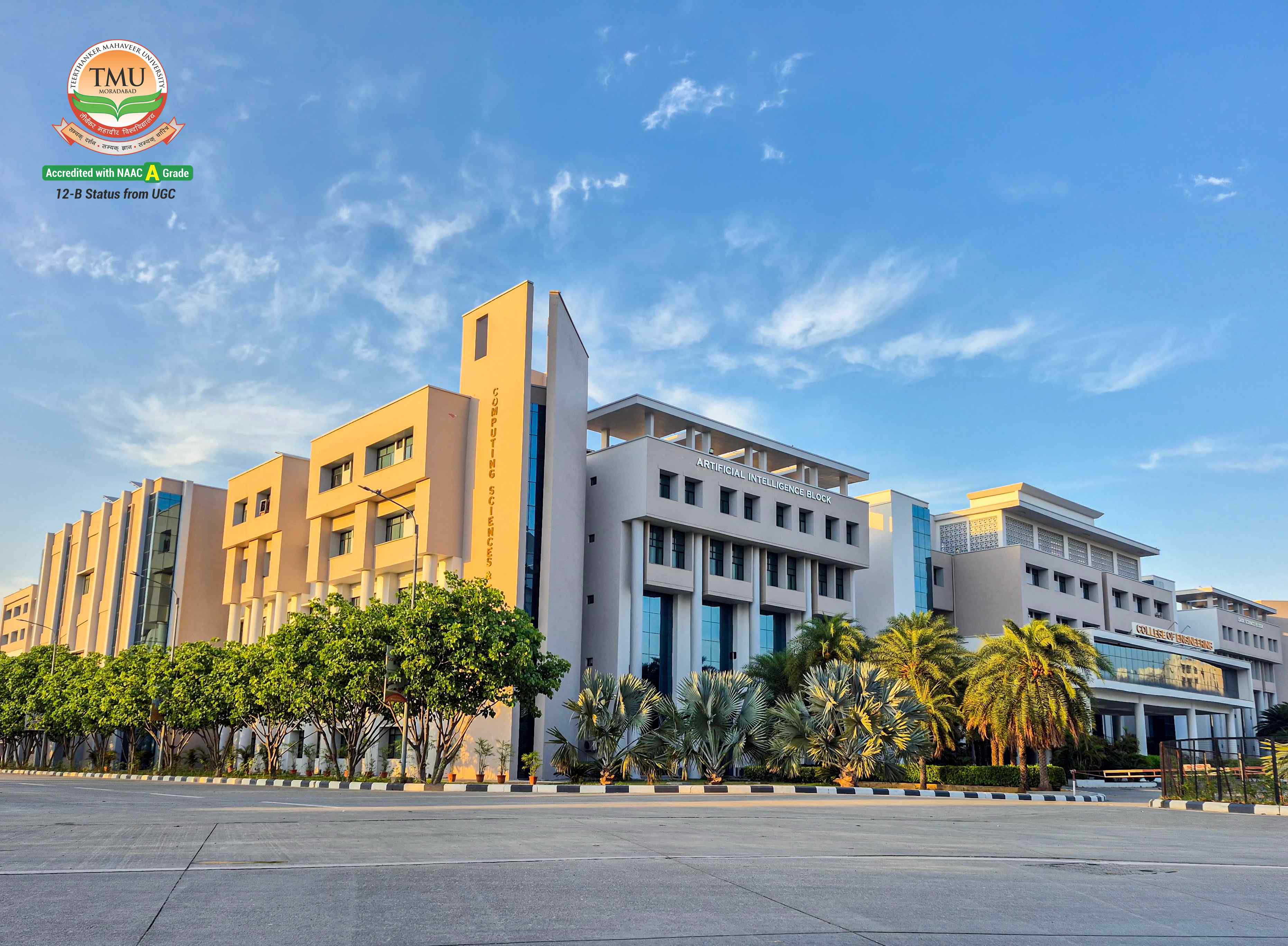
Teerthanker Mahaveer University
Apply for Admission
Apply for Admission
How to apply for a DMLT course?
Applying for a DMLT (Diploma in Medical Laboratory Technology) course is a simple process, but it may vary slightly depending on the college or university. Most institutes offer both online and offline application options, making it convenient for students.
To begin with, candidates must ensure they meet the basic eligibility criteria, which usually include passing 10+2 with Science (Physics, Chemistry, and Biology) from a recognised board.
Why DMLT over other medical courses?
DMLT offers a fast track (2 years) to a medical career in labs! It's budget-friendly & in high demand. You'll gain hands-on skills for analysing samples & contributing to patient care. Consider your career goals & preferred pace - DMLT might be your perfect launchpad!
DMLT Course Duration
The DMLT course is a fast-paced journey, taking only two years to complete. This full-time program has lectures and lab sessions. They immerse you in medical diagnostics. You'll gain the knowledge and skills in just four semesters. You will learn to analyse blood, tissues, and microorganisms. They play a vital role in patient care.
DMLT Syllabus and Curriculum
The DMLT syllabus and curriculum give you the theory and skills you need to excel in medical lab testing. Here's a breakdown of the key areas you'll explore:
Core Subjects
- Clinical Biochemistry covers analysing blood and bodily fluids to assess organ function, identify metabolic disorders, and monitor diseases.
- Microbiology is the study of microorganisms, including bacteria, viruses, and parasites, to diagnose infections and identify pathogens.
- Haematology focuses on analysing blood cells to diagnose blood disorders like anaemia or leukaemia.
- Histopathology involves the microscopic examination of tissue samples and is crucial for diagnosing diseases like cancer.
- You will learn about the body's immune system and its response to infections.
- This covers proper procedures for sample collection, handling, analysis, and reporting of test results.
Additional Skills
- Laboratory Instrumentation: Operate and maintain sophisticated laboratory equipment used for various tests.
- Quality Control: Ensure the accuracy and reliability of laboratory tests through established protocols.
- Data Analysis and Interpretation: Understand test results and provide valuable information for diagnosis and treatment.
- Communication and Teamwork: Communicate test results clearly to healthcare professionals and collaborate effectively with lab staff.
Practical Training: A significant portion of the DMLT curriculum emphasises practical training in laboratories. You'll get hands-on experience. You'll perform many diagnostic tests, from blood analysis to cultures. This practical training lets you hone your skills. It will give you confidence in using theory in the real world.
Variations in Curriculum: The DMLT curriculum might vary by college. Some institutions may offer additional courses or specialisations within the program. Make sure to check the exact curriculum details. They are offered by the colleges you're interested in applying to.
DMLT Eligibility Criteria
Before applying for a DMLT (Diploma in Medical Laboratory Technology) course, candidates must meet certain eligibility requirements set by colleges or universities. While the criteria may vary slightly across institutions, the basic requirements are quite similar.
- Educational Qualification: Candidates must have passed 10+2 (Intermediate) from a recognised board with the Science stream, preferably with Physics, Chemistry, and Biology (PCB). Some institutes may also accept students from PCM or other related streams.
- Minimum Marks Requirement: Most colleges require a minimum of 45% to 50% aggregate marks in the qualifying examination. Reserved category candidates may get relaxation as per government norms.
- Age Limit: Generally, candidates should be at least 17 years old at the time of admission. Some institutes may have an upper age limit, but in many cases, there is no strict maximum age restriction.
- Entrance Exam (if applicable): Certain colleges conduct entrance exams for admission, while many offer direct admission based on merit in the 12th examination.
- Medical Fitness: Since the course involves working in healthcare settings, candidates may be required to be medically fit.
DMLT Admission Requirements
The admission requirements for a DMLT program typically involve two main aspects:
Academic Eligibility:
- You'll need an educational qualification. You must have finished your 10+2 with a science stream. The specific subjects required often include Physics, Chemistry, and Biology.
- Minimum Marks: There's a minimum percentage requirement, usually around 50%. However, this can vary depending on the college. Some institutions might have a higher cut-off based on competition.
- Entrance Exams (Optional):
- Some colleges may give their own entrance exams. They use them to select students for the DMLT program. These exams assess your knowledge of science subjects relevant to medical laboratory technology.
Here's a quick summary in 50 words:
DMLT Admission Requirements:
- Complete 10+2 (Science) with minimum marks (around 50%).
- Entrance exams might be required by some colleges.
DMLT Entrance Exams
Some schools may require a pass on an entrance exam for admission to the DMLT course. Common entrance exams for DMLT include:
- State-Level Entrance Exams
- Conducted by various state education boards for admission to paramedical courses.
- Institution-Specific Exams
- Some colleges and universities have their own entrance exams for DMLT admissions.
- Common Entrance Test (CET)
- Some states conduct a general exam for various diploma courses, including DMLT.
How to prepare for DMLT entrance exams?
- Understand the Syllabus: Focus on 10+2 level Biology, Chemistry, and Physics.
- Create a Study Plan: Develop a timetable and cover all subjects.
- Use Quality Study Materials : Refer to 10+2 textbooks and exam guides.
- Practice Previous Papers: Solve past question papers and take mock tests.
- Consider Coaching Classes : Enrol in coaching for structured guidance if needed.
- Revise Regularly : Make concise notes and revisit important topics.
- Stay Healthy: Maintain a balanced diet, get adequate sleep, and manage stress.
DMLT Colleges in India
| College Name | Location | Notable Features |
|---|---|---|
| All India Institute of Medical Sciences (AIIMS) | New Delhi | Premier medical institute, high-quality education |
| Christian Medical College (CMC) | Vellore | Renowned for medical and paramedical education |
| Manipal Academy of Higher Education | Manipal | Comprehensive paramedical programs |
| Jamia Hamdard University | New Delhi | Strong focus on medical and health sciences |
| Teerthanker Mahaveer University (TMU) | Moradabad | Offers quality education and training in paramedical sciences |
DMLT Course Fees
Fees for a Diploma in Medical Laboratory Technology (DMLT) course in India can vary a lot. They depend on factors like the type of institution (government or private), location, and the course's duration. Here is a general overview:
| Type of Institution | Annual Fees (INR) |
| Government Colleges | 5,000 - 30,000 |
| Private Colleges | 30,000 - 2,00,000+ |
| Additional Costs | Examination fees, lab fees, materials |
Career Opportunities After DMLT:
Graduates of the DMLT program are primarily employed as medical laboratory technicians. They do many tests on blood, tissues, and microorganisms. The tests help diagnose disease, monitor treatment, and manage patients.
- Research assistants can help scientists in labs. They conduct experiments and analyse data on diseases and diagnostics.
- You can specialise in blood banking. It lets you work in blood banks. You process blood parts for transfusions and make sure blood is safe.
- You will ensure lab tests are accurate and reliable. You will do this by following protocols and quality control measures.
- Sales Representative: Use your DMLT knowledge. You could use it to pursue a career. You could sell medical laboratory equipment or diagnostics to healthcare facilities.
Beyond these core opportunities, here are some additional factors to consider:
- Some colleges offer advanced diplomas or specialisations in the DMLT. They let you focus on areas like cytotechnology (study of cells) or microbiology. A specialisation can boost your career prospects and earnings.
- Higher Education: A DMLT qualification can be a stepping stone. It can lead to a Bachelor's degree in Medical Laboratory Technology or related fields. This path can open doors to advanced roles and leadership.
Why Choose TMU for DMLT?
Choosing the right university is just as important as choosing the right course—and when it comes to a DMLT (Diploma in Medical Laboratory Technology), Teerthanker Mahaveer University stands out as a strong option for students aiming to build a healthcare career.
- Industry-Focused Practical Learning: TMU emphasises hands-on training, which is essential for a skill-based course like DMLT. Students don’t just study theory—they actively perform lab tests, handle samples, and work with modern diagnostic equipment, making them job-ready from day one.
- Advanced Laboratory Infrastructure: The university offers well-equipped laboratories with modern technology, allowing students to gain real-time experience with tools used in hospitals and diagnostic centres.
- Experienced Faculty & Mentorship: TMU has qualified and experienced faculty members who guide students with both academic knowledge and industry insights.
- Clinical Exposure & Hospital Training: One of the biggest highlights is the integration with medical and dental hospitals, where students get exposure to real patient samples, lab workflows, and clinical environments.
- Strong Career Support & Placements: TMU focuses on career-oriented education, offering internships, skill development programs, and placement assistance. Graduates can explore opportunities in hospitals, diagnostic labs, research centres, and blood banks.
- Affordable & Student-Friendly Environment: Compared to many private universities, TMU offers a cost-effective fee structure along with a supportive campus environment that promotes overall development.
BMLT vs DMLT
Here are the key differences between BMLT and DMLT. BMLT stands for Bachelor of Medical Laboratory Technology. DMLT stands for Diploma in Medical Laboratory Technology.
| Feature | BMLT (Bachelor of Medical Laboratory Technology) | DMLT (Diploma in Medical Laboratory Technology) |
|---|---|---|
| Course Level | Undergraduate Degree | Diploma Course |
| Duration | 3–4 years | 1–2 years |
| Eligibility | 10+2 with PCB (Physics, Chemistry, Biology) | 10+2 with Science (PCB/PCM) |
| Depth of Study | In-depth theoretical + practical knowledge | Basic to intermediate level knowledge |
| Focus | Advanced lab techniques, research, diagnostics | Fundamental lab procedures and testing |
| Career Opportunities | Lab Technologist, Research Assistant, Lab Manager | Lab Technician, Assistant Technician |
| Salary Range | ₹3 LPA – ₹8 LPA (higher growth potential) | ₹1.8 LPA – ₹5 LPA |
| Higher Education | Can pursue MSc MLT, PhD, specialisation | Can pursue BMLT or other related degrees |
| Skill Level | Advanced and specialised skills | Entry-level technical skills |
| Job Roles | Senior positions with leadership roles | Entry-level roles in labs and hospitals |
Conclusion
The DMLT is a two-year paramedical course. It prepares students for a career in medical diagnostics. It includes training in lab testing and analysis. These skills are crucial for diagnosing and treating diseases. Eligibility requires completing 10+2 in the science stream, with fees ranging from ₹15,000 to ₹1.5 lakhs annually, depending on the institution.
DMLT graduates can work as medical laboratory technicians. They can also work as pathology technicians and blood bank technicians. They work in hospitals, clinics, and diagnostic laboratories. The demand for these professionals is growing. This is because of new diagnostic technologies and a focus on preventive healthcare.
FAQs
Q1: Which is better, DMLT or BSc?
Ans: Choose DMLT for quick entry into medical laboratory technician roles. Opt for a BSc for broader scientific education, diverse career paths, and potential for further studies and advancement.
Q2: What is the DMLT salary in India?
Ans: In India, the salary for DMLT (Diploma in Medical Laboratory Technology) holders varies. Entry-level salaries typically range from ₹15,000 to ₹25,000 per month, with experience and location influencing earnings.
Q3: What is the best DMLT or GNM?
Ans: Choose DMLT for a career focused on laboratory diagnostics, offering skills in medical testing and analysis. Opt for GNM for roles in nursing and midwifery, involving patient care and diverse opportunities in hospitals and healthcare settings, with potential for career advancement.
Q4: Can I do DMLT after 12th arts?
Ans: Yes, you can pursue DMLT (Diploma in Medical Laboratory Technology) after completing your 12th in the Arts stream. Many institutes offer DMLT courses to students from various educational backgrounds, including arts, provided you meet the specific eligibility criteria set by the institution offering the course.
Q5: Is DMLT hard to study?
Ans: DMLT (Diploma in Medical Laboratory Technology) involves learning specific laboratory techniques and procedures, which can require focus and diligence. With dedication and interest in the field, it is manageable for motivated students, though it can be challenging due to its technical nature.
This content gives an overview of the programme and is for educational purposes only. For updated admission guidelines and counselling support, please connect with our Counsellor Team.