



BMLT Course details, Full Form, Eligibility, Duration, and Scope

Table of Contents
BMLT stands for Bachelor of Medical Laboratory Technology, a three-year undergraduate degree programme that trains students to perform laboratory tests used in diagnostic laboratories, helping doctors make accurate medical decisions based on test results.
The course provides theoretical knowledge and practical training in diagnostic testing, pathology, microbiology, biochemistry, and haematology. It is an ideal career choice for students interested in healthcare, laboratory science, and medical diagnostics.
What is BMLT?
BMLT (Bachelor of Medical Laboratory Technology) is a specialised undergraduate programme focused on laboratory science and diagnostic technology. It equips students with the technical skills required to handle laboratory equipment, examine medical specimens, and assist in diagnosing diseases accurately in hospitals and diagnostic labs.
Read More: How to Become a Lab Technician
Teerthanker Mahaveer University
Apply for Admission
Apply for Admission
Eligibility Criteria
To be eligible for admission to the Bachelor of Medical Laboratory Technology course, candidates generally need to meet the following requirements:
- Educational Qualification: Passed 10+2 (Class 12) or any other recognised board examination.
- Mandatory Subjects: Physics, Chemistry and Biology (PCB). Some universities also accept candidates with Physics, Chemistry, and Mathematics (PCM).
- Minimum Marks: The minimum percentage of marks required in the qualifying exam by most colleges is 45%-50%. The percentage may vary between institutions and categories.
- Age Eligibility: The minimum age of the candidates should be 17 years at the time of admission.
- Admission Process: Admission is generally based on Class 12 merit or an entrance test based on the university's admission policy.
How to Apply?
Most of the universities or colleges admit students based on Class 12 merit; some universities hold their own entrance exam and then conduct counselling. Candidates must meet the prescribed eligibility criteria and complete the application process within the specified deadlines.
BMLT Admission Process
- Apply online or offline through the official website of the university.
- Appear for the Entrance Exam (If Applicable).
- Qualified candidates are shortlisted through a merit list and invited for counselling.
- Submit original documents for verification.
- Pay the admission fee to confirm your seat.
BMLT Subjects & Syllabus
Although the curriculum may vary slightly across universities, most institutions follow a six-semester structure covering core subjects such as anatomy, physiology, pathology, microbiology, biochemistry, haematology, immunology, and blood banking.
- Human Anatomy
- Human Physiology
- Biochemistry
- Pathology
- Microbiology
- Hematology
- Immunology & Serology
- Clinical Biochemistry
- Histopathology
- Blood Banking & Transfusion Medicine
- Clinical Microbiology
- Molecular Diagnostics
- Cytology
- Parasitology
- Laboratory Instrumentation
- Quality Assurance & Laboratory Management
- Medical Ethics & Professional Practices
- Research Methodology
- Clinical Training & Internship
Core Subjects
The curriculum is designed to provide students with a strong foundation in medical laboratory sciences. Throughout the programme, students study a range of core subjects that prepare them for careers in hospitals, diagnostic laboratories, research centres, and the healthcare industry.
- Human Anatomy & Physiology
- Clinical Biochemistry
- Pathology
- Hematology
- Microbiology
- Histopathology
- Immunology & Serology
- Blood Banking & Transfusion Medicine
- Molecular Biology
- Laboratory Management & Quality Control
- Medical Ethics and Research Methodology
- Clinical Internship/Practical Training
Career Options After the BMLT
- Medical Laboratory Technologist
- Lab Technician
- Pathology Lab Technologist
- Microbiology Technologist
- Blood Bank Technologist
- Quality Control Officer
- Research Assistant
- Laboratory Manager
- Application Specialist
- Medical Laboratory Instructor
Top Recruiters
- Government and Private Hospitals
- Diagnostic Laboratories
- Blood Banks
- Research Institutes
- Pharmaceutical and Biotechnology Companies
- Public Health Laboratories
- Medical Colleges and Universities
Read More: DMLT Course Details, Full Form, Fees, Eligibility, Duration, Syllabus, Admission, College and Career
BMLT Salary in India
| Experience Level | Average Annual Salary | Average Monthly Salary |
| Fresher (0–1 Year) | ₹2.0–3.0 LPA | ₹15,000–25,000 |
| Mid-Level (2–5 Years) | ₹3.5–6.0 LPA | ₹30,000–50,000 |
| Experienced (5+ Years) | ₹6.0–10.0+ LPA | ₹50,000–80,000+ |
Average salary in India: ₹2.5–4.0 LPA (approximately ₹21,000–33,000 per month), depending on the employer, location, skills, and experience.
Top Colleges for BMLT
| College Name | Location | Average Total Course Fees |
| Christian Medical College (CMC) | Vellore, Tamil Nadu | ₹1.4 lakh |
| Government Institute of Medical Sciences (GIMS) | Greater Noida, Uttar Pradesh | ₹2 lakh |
| Teerthanker Mahaveer University (TMU) | Moradabad, Uttar Pradesh | ₹3.5 lakh |
| Vivekananda Global University (VGU) | Jaipur, Rajasthan | ₹4.3 lakh |
| Dev Bhoomi Uttarakhand University | Dehradun, Uttarakhand | ₹3–4 lakh* |
| Quantum University | Roorkee, Uttarakhand | ₹2.5–3 lakh* |
Note: Approximate fee based on the latest available university information. Actual fees may vary by academic session.
Read More: Top Colleges in India 2026: NIRF Rankings, Fees & Placements
BMLT Course Fees in India
The fees for a Bachelor of Medical Laboratory Technology course in India vary depending on whether you choose a government or private institution, as well as the college's infrastructure, faculty, and clinical training facilities.
- Private Colleges: ₹50,000 to ₹3,00,000 per year.
- Government Colleges: ₹10,000 to ₹1,00,000 per year.
These figures can fluctuate based on the institution's reputation, location, and available facilities. For exact fees, it's advisable to check the specific college's official website or contact their admissions office.
Why Choose TMU?
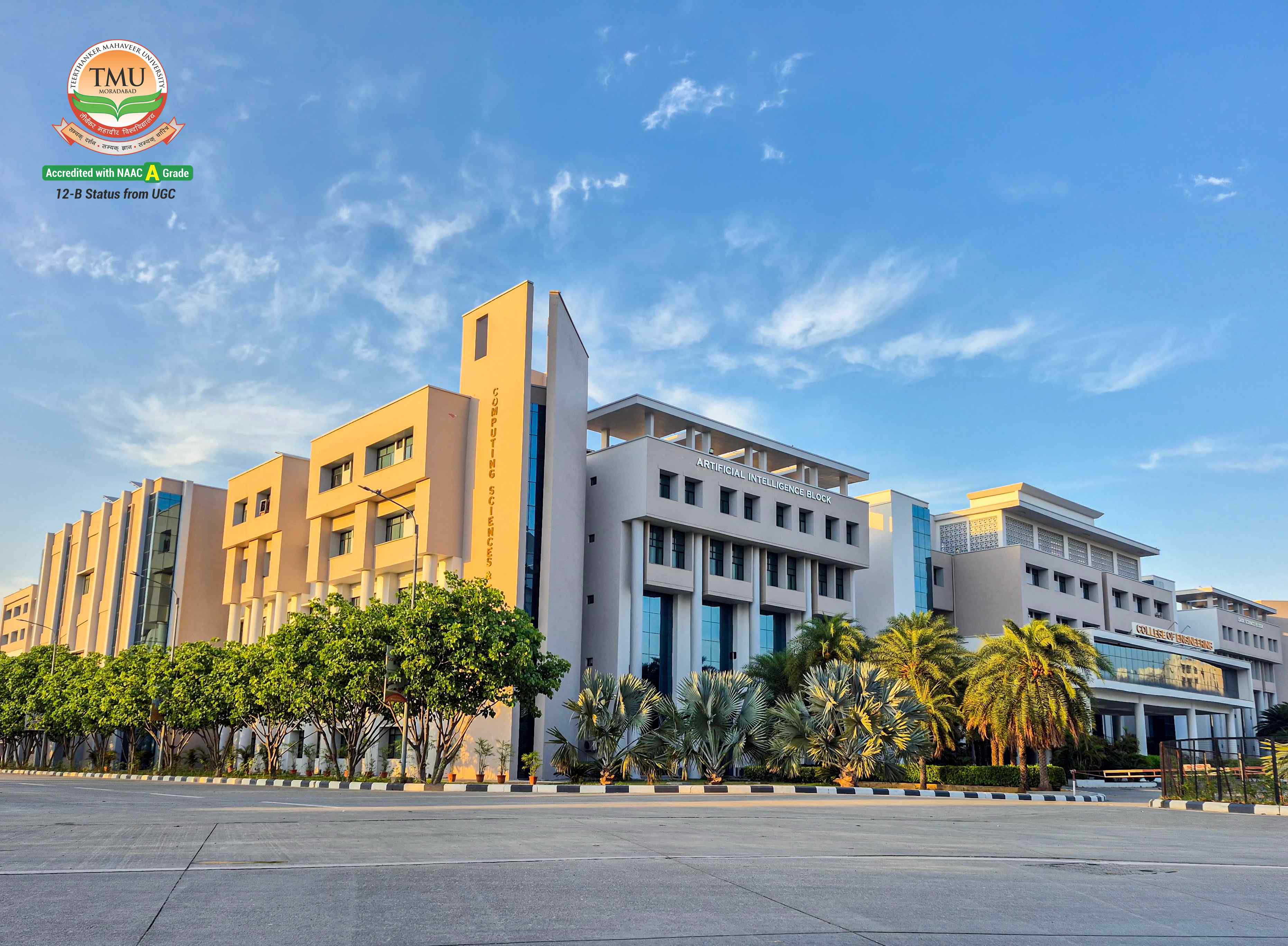
Teerthanker Mahaveer University (TMU), Moradabad, offers industry-focused paramedical programmes designed to prepare students for successful healthcare careers. TMU offers clinical exposure, internship opportunities, and placement assistance, helping graduates build successful careers in hospitals, diagnostic centres, research laboratories, and healthcare organisations.
Key Highlights of TMU
- U.P. State Medical Faculty-Approved Programme
- Clinical Training at 1,000+ Bed TMU Hospital
- Modern Laboratories and Advanced Healthcare Infrastructure
- Hands-on Practical Exposure and Internship Opportunities
- UGC-Approved and NAAC-Accredited University
- Strong Placement Assistance and Career Support
- Ranked 39th in the IIRF India University Rankings 2026
- Ranked among the Top 40 Universities in India by THE Impact Rankings 2026
Explore the Programme at TMU and gain practical training in modern medical laboratories, expert faculty guidance, industry exposure, and excellent career opportunities in healthcare.
Read More: Paramedical Courses Details, Admission, Syllabus, Top Colleges, Career
Conclusion
The Bachelor of Medical Laboratory Technology is an excellent undergraduate programme for students interested in diagnostic sciences and healthcare. It provides students with knowledge and hands-on experience in conducting lab tests, using sophisticated diagnostic tools, and assisting with proper disease diagnosis.
With the growing demand for qualified laboratory professionals, graduates have promising career opportunities in hospitals, diagnostic centres, research laboratories, and healthcare organisations. If you are looking for a career that combines science, technology, and patient care, Medical Laboratory Technology can be a rewarding choice with strong long-term growth prospects.
FAQ
Q1. What is the highest salary in BMLT?
Ans. Entry-level graduates typically earn ₹2.5–₹5 LPA. With experience, specialisation, or roles in reputed hospitals, diagnostic labs, or research organisations, salaries can exceed ₹8–₹12 LPA.
Q2. Which is better, B-Pharm or BMLT?
Ans. It depends on your career goals. A B.Pharm is ideal for careers in the pharmaceutical industry, drug manufacturing, and pharmacy practice, while a Bachelor of Medical Laboratory Technology is better suited for medical diagnostics, laboratory technology, and healthcare testing.
Q3. Which is best, BSc or BMLT?
Ans. BMLT is the better choice if you want a career in medical laboratories and diagnostics. A general BSc offers broader subject options and can lead to careers in research, teaching, or higher studies across various science fields.
Q4. Is a BPharm equal to a Doctor?
Ans. No. A BPharm graduate is a qualified pharmacist but is not a medical doctor. Only graduates with an MBBS degree are licensed to practise as doctors.
Q5. What is the age limit for a Bachelor of Medical Laboratory Technology?
Ans. Most universities do not have a strict upper age limit for admission. Candidates who have completed 10+2 with Physics, Chemistry, and Biology (or relevant subjects) and meet the eligibility criteria can usually apply.
Q6. What are the career opportunities after completing this course?
Ans. Graduates can work as Medical Laboratory Technologists, Pathology Technicians, Research Assistants, Blood Bank Technologists, or Quality Control Analysts in hospitals, diagnostic centres, and research laboratories.
Q7. Is NEET required for admission?
Ans. No, NEET is generally not required for admission. Most universities offer admission based on 10+2 marks or their own entrance process.
Q8. Can I pursue higher studies after graduation?
Ans. Yes, graduates can pursue MSc programmes, postgraduate diplomas, specialised certifications, or research opportunities to advance their careers.
This content gives an overview of the programme and is for educational purposes only. For updated admission guidelines and counselling support, please connect with our Counsellor Team.