



Why Pursue an MBA in Agriculture? Scope and Career Opportunities

Table of Contents
An MBA in Agriculture is an excellent career move among students who wish to integrate agricultural knowledge with contemporary management skills. As agribusiness, food processing, agri-marketing, and rural development industries rapidly expand, the need to have professionally trained agricultural managers continues to rise.
This programme not only provides access to a variety of career opportunities but also helps students become leaders, innovators, and entrepreneurs in the agriculture sector. It is designed to equip students with the skills to manage agribusinesses, agricultural projects, supply chains, and rural enterprises efficiently.
What is an MBA in Agriculture?
An MBA in Agriculture is a postgraduate degree programme that provides in-depth knowledge of agricultural science and management principles. It combines traditional management education with agricultural science, rural development, and agribusiness strategies.
The programme focuses on areas like:
- Agribusiness management
- Agricultural marketing and finance
- Supply chain and logistics in agriculture
- Rural entrepreneurship
- Food processing management
- Agricultural policy and planning
Students gain both theoretical knowledge and practical skills to handle managerial roles in agricultural companies, cooperatives, government organisations, and startups.
Teerthanker Mahaveer University
Apply for Admission
Apply for Admission
Scope of MBA in Agriculture in India
An MBA in Agriculture in India is a fast-growing field, as the agriculture sector has been modernised and commercialised. As more attention is going towards agribusiness, food processing, agri-marketing, supply chain management and rural development, there are increasing demands on professionals who can easily run agricultural businesses. MBA graduates in Agriculture have a high chance of assuming leadership positions, becoming consultants, or even establishing their own business ventures in agribusiness.
The MBA in Agriculture graduates may be employed in agribusiness enterprises, agri-input suppliers, food processing companies, government agencies, banks, cooperatives, non-governmental organisations, and agri-tech start-ups. Moreover, the long-term career opportunities are also boosted by the government projects, increasing exports, and the development of sustainable and organic agriculture, which makes an MBA in Agriculture a potential and prospective management programme in India.
Course Structure and Subjects
| Subject Category | Key Subjects Covered |
| Core Management Subjects |
|
| Agriculture & Agribusiness Subjects |
|
| Finance & Supply Chain |
|
| Rural & Entrepreneurship Studies |
|
| Research & Practical Training |
|
Eligibility Criteria for MBA in Agriculture
In order to study the MBA in Agriculture programme, candidates are supposed to meet specific requirements:
Educational Qualification:
- A Bachelor's degree in Agriculture (BSc Agriculture, Horticulture, Forestry or allied) or any other related degree from a recognised university is required.
- Some colleges accept candidates with a different background, like science or commerce, although they are required to have related work experience.
Minimum Marks:
- Most universities require undergraduate studies to have a minimum of 50 per cent (45 per cent by the category to which the person belongs) marks.
Entrance Exams (Where applicable):
- Some colleges may require entrance exam scores such as CAT, MAT, CMAT, or state-level entrance examinations.
- TMU provides a direct admission system which is based on academic performance.
Career Opportunities After an MBA in Agriculture
- Agribusiness Manager: Responsible for planning, managing, and expanding agricultural business operations in agribusiness firms and agri-corporates.
- Agri-Marketing Manager: Handles marketing strategies, sales promotion, market research, and branding of agricultural products.
- Supply Chain Manager: Manages procurement, storage, transportation, and distribution of agricultural and food products.
- Food Processing Manager: Oversees production processes, quality control, and operations in the food and dairy processing industries.
- Agri-Finance Consultant: Provides financial advisory services related to agricultural loans, insurance, investments, and risk management.
- Rural Development Officer: Works with government bodies and NGOs to implement rural and agricultural development programmes.
- Agri-Input Manager: Manages the supply and distribution of seeds, fertilisers, pesticides, and other agricultural inputs.
- Export & Trade Manager: Handles international trade, exports, and compliance related to agricultural products.
- Agri-Entrepreneur: Starts and manages agri-based startups such as organic farming, food processing units, or agri-tech ventures.
- Agricultural Consultant: Provides expert advice on farm management, productivity improvement, and agribusiness strategies.
Average Salary Insights for MBA in Agriculture Graduates
- Entry-Level / Fresh Graduates: Most fresh MBA in Agriculture graduates can expect around ₹4 – 8 lakh per annum to start, depending on college reputation and job profile.
- Typical Mid-Level Range: With 2–5 years of experience, professionals often earn ₹8 – 12 lakh per annum in roles like Agribusiness Manager, Supply Chain Manager, or Marketing Manager.
- Experienced / Senior Roles: Experienced managers and specialists — especially in agri-finance, export, or consulting — can command ₹12 – 20 lakh per annum or more.
- Top Performers & Specialised Roles: In high-paying sectors like brand management, rural marketing leadership, or commodity trading, salaries can reach ₹15 – 25 lakh per annum and even higher with significant experience or at leading companies.
Real-Facts & Statistics
- Many agribusiness management programmes consistently achieve high or 100 % placement rates.
- Sector-wide splits show that MBA in Agriculture graduates are not limited to one field but are hired across finance, marketing, consulting, and supply chain roles.
- Average salary packages typically fall in the ₹6–10 LPA range, with many programmes exceeding this range depending on institute quality and industry partnerships.
Top Recruiters for MBA in Agriculture in India
| Sector | Recruiters / Organisations |
| Government Sector |
|
| Public Sector Undertakings (PSUs) |
|
| Private Agribusiness Companies |
|
| Agri-Tech & Retail |
|
| Banking & Agri-Finance |
|
TMU’s Unique Approach to Agriculture Education
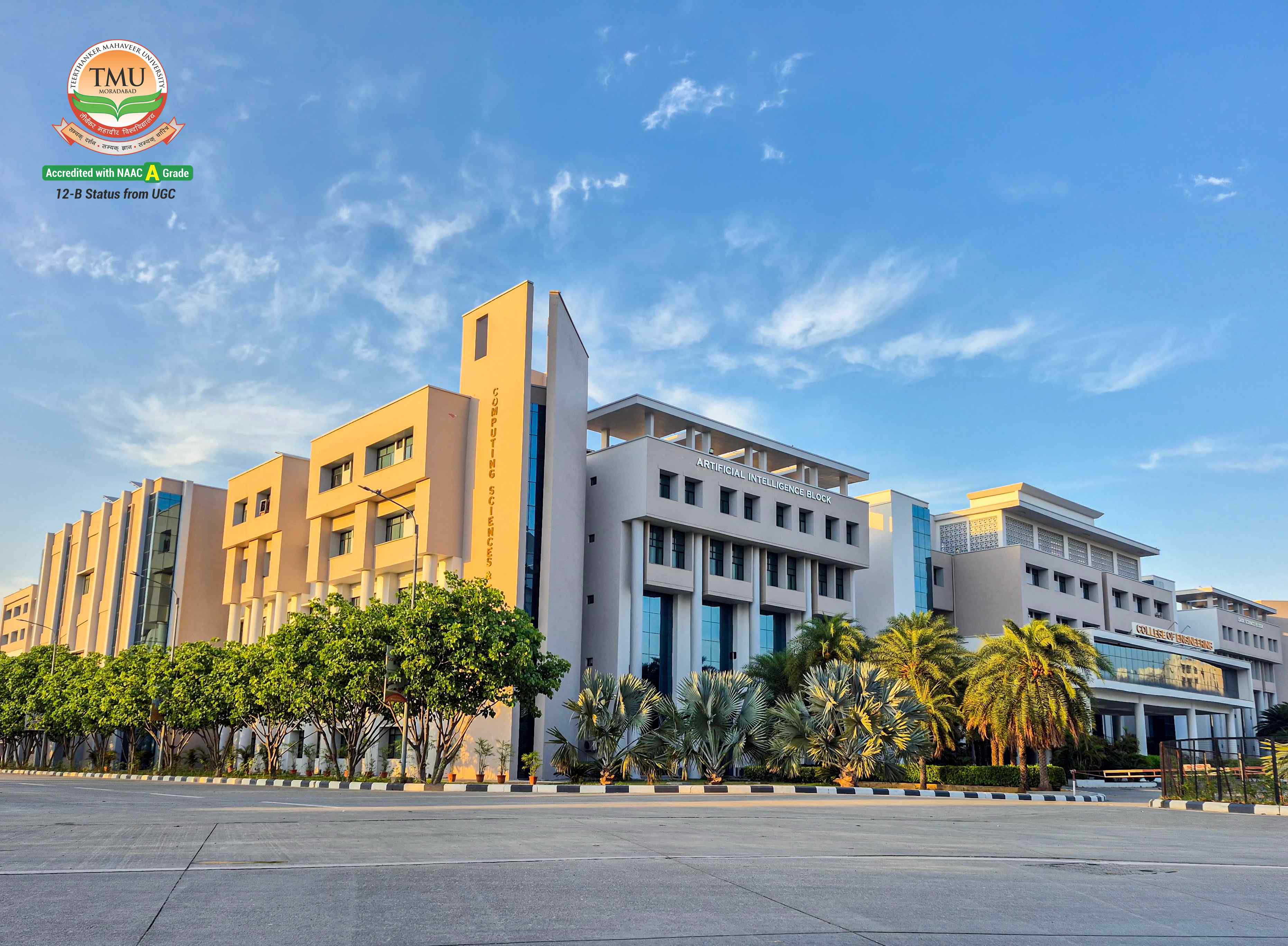
Teerthanker Mahaveer University (TMU) adopts a holistic and industry-focused approach to its Agriculture programme that makes it different compared with other educational institutions. TMU offers good academic programmes in management and specialised knowledge in agriculture, which provides students with both theoretical and practical experiences.
Here are some key initiatives and facilities at TMU that highlight the university’s support for agricultural education:
TMU’s State-of-the-Art Infrastructure for Agriculture Studies
TMU has well-equipped agribusiness laboratories and modern classrooms where students gain practical experience. There are also research farms, greenhouses and demonstration plots where students are exposed to the practical side of crop management, soil testing and uses of agri-inputs in these facilities. This practical infrastructure will be able to make sure that students do not simply learn theory but put their knowledge to the test in agricultural settings.
Experienced Faculty & Industry Mentorship
The faculty of TMU consists of professionals in agribusiness, agricultural economics, supply chain management, and rural development with years of experience in the industry. Guest lectures and mentorship with top professionals in the agribusiness field are also available to students so that they can learn about market trends, leadership, and business opportunities.
TMU’s Industry Connections & Internship Opportunities
TMU has good relationships with leading agribusiness companies. The learners do summer internships and live industry projects which enable them to acquire real-life experience and build professional contacts and enhance their employability in positions such as Agribusiness Manager, Agri-Marketing Manager, Supply Chain Manager and Agri-Finance Consultant.
Career Support & Placement Assistance
The placement section of TMU offers career advice, resume training, mock interviews and soft skills training. The students have 100 percent placement support with prospects in the private agribusiness companies, agri-tech startups, government departments, and financial institutions. Most TMU alumni acquire good-paying jobs with other major recruiters.
Entrepreneurship & Agri-Innovation at TMU
TMU promotes the development of agri-entrepreneurs through supporting business start-up concepts, giving advice on business planning, and connecting them with business incubation centres. Students with interest in organic farming, food processing projects, agri-tech projects or rural development projects receive mentoring, technical support and networking services to convert their ideas into successful enterprises.
Research & Skill Development Opportunities
TMU focuses on studies within new fields of agriculture: sustainable agriculture, crop technology, digital agriculture and agri-marketing analytics. The university also holds workshops, skill development programmes, and industry seminars so as to keep the students abreast of the daily trends and technologies in the agriculture sector.
Conclusion
MBA in Agriculture is a great course to take by anybody who wants to have a dynamic and fulfilling career in the agribusiness industry. The programme equips students with the skills and competencies required to become innovative leaders and decision-makers who can drive growth and sustainability in the agricultural sector. For ambitious students who desire a career that is purposeful, develops, and makes a difference, the way to success is through an MBA in agriculture.
FAQ
Q1. Which MBA is best for agriculture?
Ans. An MBA in Agriculture or Agribusiness Management is the best choice for a career in the agriculture sector.
Q2. What is the scope of an MBA in agriculture?
Ans. An MBA in Agriculture offers a wide career scope in agribusiness, food processing, agri-marketing, rural development, and agri-startups.
Q3. What is the qualification for an MBA in agriculture?
Ans. Candidates must have a bachelor’s degree in agriculture or a related field with at least 50% marks.
Q4. Which MBA is the highest in demand?
Ans. MBA in Agribusiness, Marketing, Finance, and Business Analytics are currently the most in-demand specialisations.
This content gives an overview of the programme and is for educational purposes only. For updated admission guidelines and counselling support, please connect with our Counsellor Team.