



TMU College of Agriculture and Plantica Foundation Signed Three-Year MoU for Rural Development
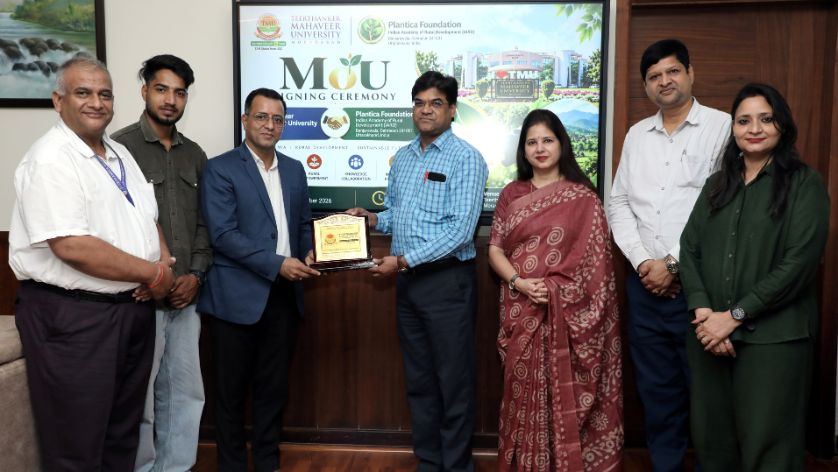
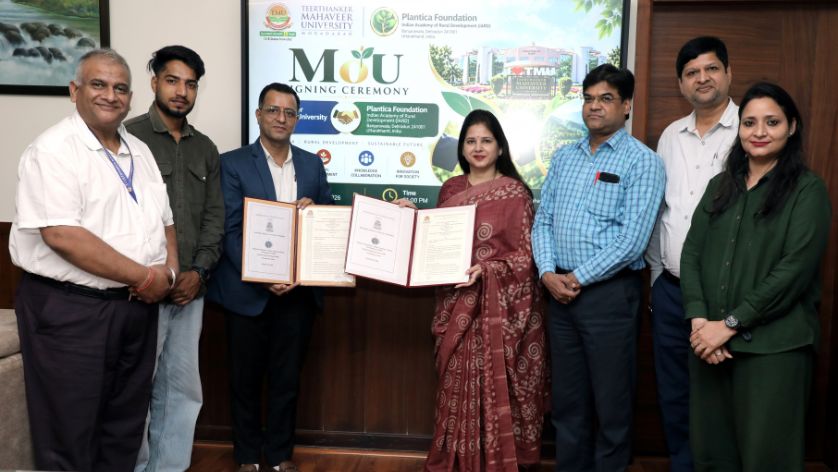
Teerthanker Mahaveer University signed a three-year Memorandum of Understanding (MoU) with Plantica Foundation’s Indian Academy of Rural Development (IARD), Dehradun, on 9 October 2026. The agreement aimed to promote agricultural research, student training, skill development and rural development through joint activities.
TMU and Plantica Foundation Joined Hands for Rural Development
The TMU - Plantica MoU brought together the academic expertise of TMU’s College of Agricultural Sciences and the practical training experience of Plantica Foundation – IARD.
The agreement focused on five key areas: rural development, rural empowerment, a sustainable future, knowledge collaboration and innovation for society. It focused on connecting classroom learning with practical field experience and helping students understand modern farming methods.
The agreement covered academic exchange, student internships, research projects, farmer training, workshops and skill development programmes. It also aimed to support rural communities through better agricultural knowledge and opportunities for entrepreneurship.
Several university officials attended the ceremony, including Dr. V.K. Jain, Vice Chancellor of TMU; Manjula Jain, Dean (Academics); Dr. P.K. Jain, Dean (Agriculture); Dr. Neha Anand, Assistant Dean (Academics); and Dr. Ganesh Datt Bhatt, Professor at the College of Agriculture. The ceremony included the signing of the agreement, the display of signed documents and a memento presentation.
Key Areas of Collaboration Under the MoU
The MoU outlined several areas in which both institutions could work together.
- Student training and internships: Students could gain practical experience through internships, research training and field visits.
- Agricultural research: Both institutions could explore research in soil health, sustainable farming, biodiversity, plant nutrition and climate-resilient agriculture.
- Farmer training: Joint programmes could help farmers learn improved farming methods and develop new skills.
- Academic exchange: Faculty members and experts could share knowledge through guest lectures and training sessions.
- Workshops and conferences: Both partners could organise seminars, workshops and academic events.
- Agricultural entrepreneurship: Training could cover mushroom cultivation, bee-keeping, organic farming, food processing and agricultural business management.
These activities were expected to connect agricultural education with the needs of farmers, students and rural communities.
How TMU and Plantica's Existing Work Supported the Partnership
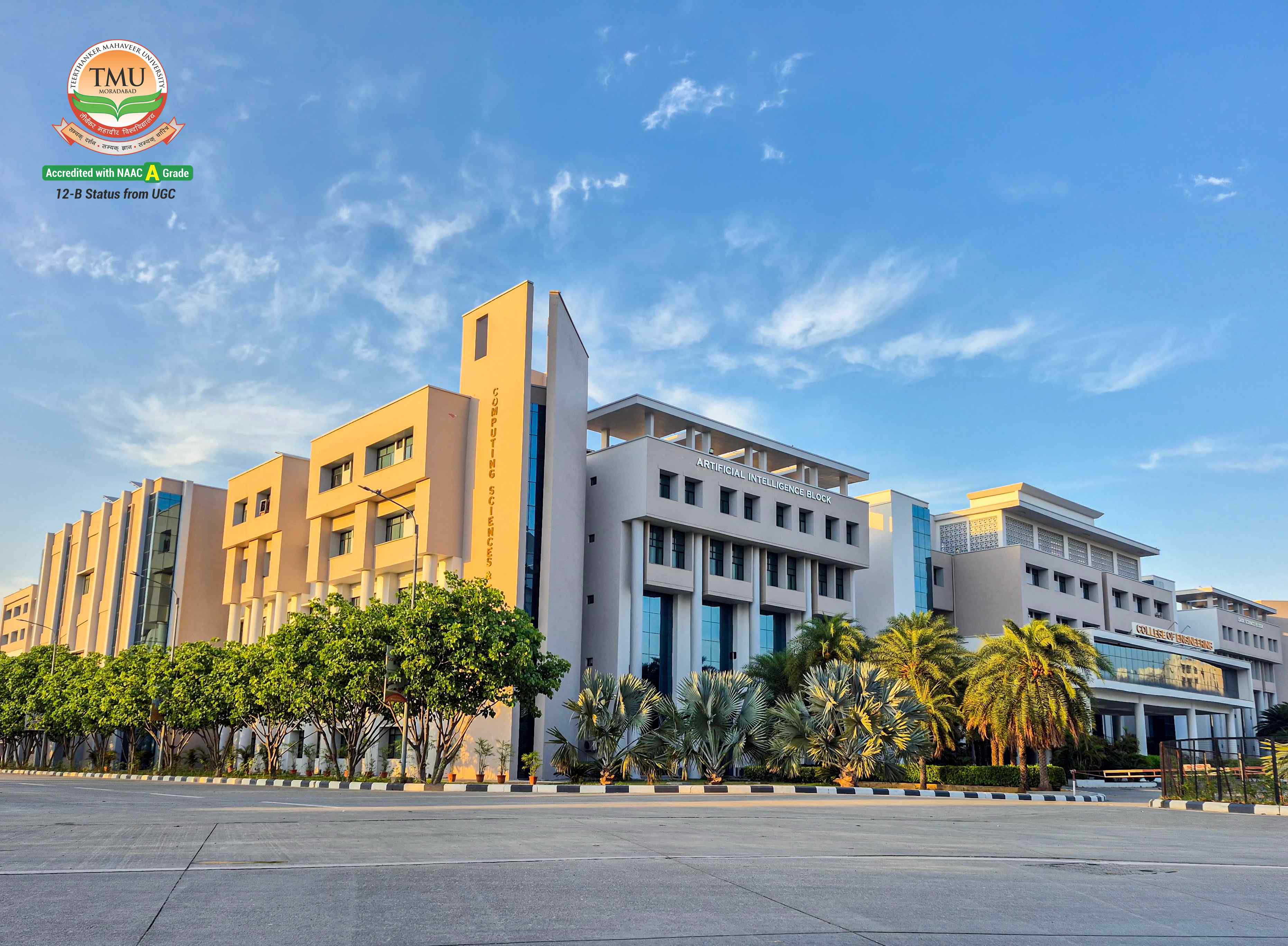
TMU’s College of Agricultural Sciences offered academic programmes and skill-based learning in agriculture. Its activities included research on sustainable farming, crop improvement, soil health and pest management. The college also provided practical learning opportunities through laboratories, a weather laboratory, exposure visits and workshops.
Plantica Foundation’s Indian Academy of Rural Development focused on hands-on training and research. Its activities included soil testing, mushroom cultivation, bee-keeping, organic and natural farming, food processing and agricultural business management.
By bringing these areas together, the partnership aimed to create more opportunities for students to gain practical knowledge and understand agricultural challenges. It also aimed to support farmers through training and knowledge-sharing programmes.
Three-Year Agreement with Scope for Extension
The MoU was valid for three years from the date of signing and could be extended through mutual consent. It also included provisions for confidentiality, research data protection and the ownership of intellectual property generated through joint research.
Any changes to the agreement required written consent from both institutions. Either party could terminate the agreement by providing six months’ written notice. The agreement also stated that disputes would be addressed through mutual discussion.
TMU's Contribution to Agricultural Education and Research
TMU's College of Agricultural Sciences was established in 2014. The college combined agricultural education with practical learning, research and skill development. Its curriculum followed the Fifth Deans' Committee framework of the Indian Council of Agricultural Research (ICAR), along with the Uttar Pradesh Higher Education scheme under the National Education Policy.
The college aimed to prepare agricultural professionals who could respond to challenges such as climate change, resource constraints and changing farming needs.
The college also reported having a dedicated placement cell that worked with recruiters in agriculture and allied sectors, including Norex Flavours, Dhampur Sugar Mills, Zeneva Crop Science, Syngenta Foundation and BASF India. These academic, research and practical learning activities were relevant to the areas of cooperation outlined in the MoU.
Plantica Foundation – IARD's Role in Agricultural Training
Plantica Foundation was established in 2017 and was based in Dehradun, Uttarakhand. It was registered under the Indian Trust Act, 1882, and with the Ministry of Micro, Small and Medium Enterprises (MSME), Government of India, according to the information provided by the organisation.
The Indian Academy of Rural Development (IARD) was established in 2019 as an agricultural training and research centre. It focused on providing practical skill development for students and farmers and supporting researchers with training and research opportunities.
Plantica reported that IARD was ISO 9001:2015 certified and recognised as an authorised training and research centre by Sri Dev Suman Uttarakhand University.
Its activities included:
- Training in soil testing, mushroom cultivation, bee-keeping, organic farming, natural farming and food processing.
- Four-week internships in poultry production, dairy farming, fish farming, agricultural business management, and soil and water testing.
- Access to a soil, water, plant and seed testing laboratory.
- Student programmes such as Rural Agricultural Work Experience (RAWE), unit attachment, plant clinic activities, experiential learning and Agro Industrial Attachment (AIA).
- Research internships and support for thesis-related research activities.
- Publication of the PLANTA research book series and organisation of the Plant Science Researchers Meet.
Conclusion
The signing of the TMU Plantica MoU marked a step towards stronger cooperation in agricultural education, research and rural development. The partnership created opportunities for student training, farmer development, knowledge exchange and agricultural innovation. Through planned joint activities, TMU and Plantica Foundation – IARD aimed to connect academic learning with practical farming needs and support the development of rural communities.