



Immunisation Awareness Programme Organised to Promote Vaccination and Child Health
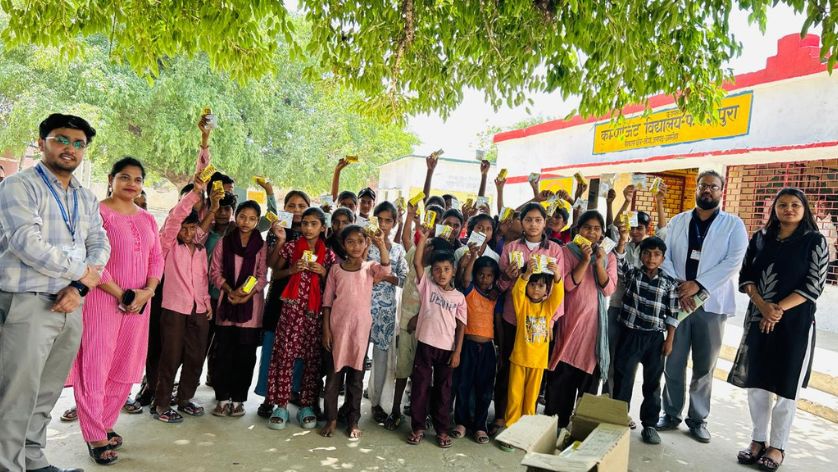
The Department of Paediatric Nursing, in collaboration with SNAI, Teerthanker Mahaveer College of Nursing, organised an Immunisation Awareness Programme on April 25, 2026. The programme was conducted on the occasion of World Immunisation Week and followed the theme, “For every generation, vaccines work.” The main aim of this Immunization Awareness Programme was to educate mothers and children about the importance of timely vaccination and disease prevention.
The event was carried out under the guidance of Prof. Dr S.P. Subhashini, Dean of Nursing; Prof. Dr Jasline M, Principal; and Prof. Ram Niwas, Vice Principal. The programme was coordinated by Prof. Dr Sapna Singh, along with the support of Prof. Anushi Singh, Prof. Dr Saharsh Walter, and Ms Riya Bharti. Their combined efforts ensured that the Immunisation Awareness Programme was well-organised and impactful.
Community Engagement and Educational Activities
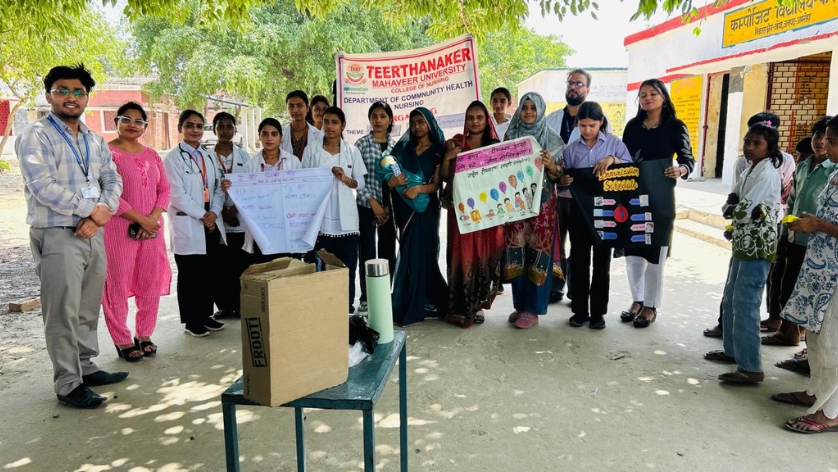
The team visited a village in Faridabad where many mothers and children actively participated. The Immunisation Awareness Programme focused on spreading simple and clear information about vaccines. The nursing team explained how immunisation protects children from serious diseases and helps them grow healthy.
One of the key highlights of the Immunisation Awareness Programme was a role play performed by ANM students. This activity made learning fun and easy for the audience. Through this role play, the students showed how vaccines work and why they are necessary for every child. It helped the villagers understand the importance of completing vaccination schedules.
In addition to the role play, the team used charts and visual aids to explain vaccination schedules and disease prevention. Mothers were guided on when and how their children should receive vaccines. The Immunization Awareness Programme also emphasised that missing vaccines can lead to health risks, while timely vaccination ensures safety and protection.
Interactive Learning and Community Support
The programme was interactive, and participants were encouraged to ask questions. The nursing team answered their doubts in a very simple manner, making sure everyone understood the message clearly. This made the Immunisation Awareness Programme more engaging and effective.
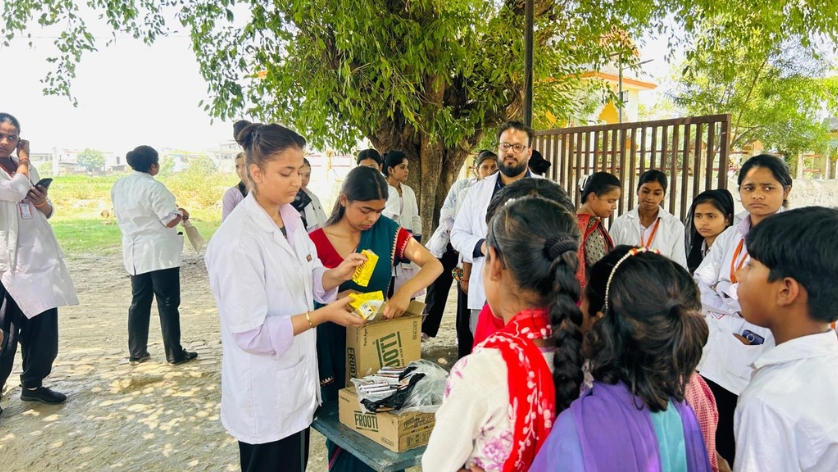
At the end of the session, ORS and mango juice were distributed among mothers and children. This small gesture added warmth to the programme and showed care for the community’s well-being.
Conclusion
The Immunisation Awareness Programme was a great success as it helped spread important health knowledge in a rural area. It encouraged mothers to follow proper vaccination schedules and take better care of their children’s health. Such initiatives play a vital role in building a healthier society by preventing diseases and promoting awareness. The programme not only educated the community but also inspired them to adopt healthy practices for a better future.