



PhD in Engineering: Admission, Eligibility, Scope & Career Opportunities

Table of Contents
A PhD in Engineering is a doctoral degree that signifies the highest level of academic achievement in the field of Engineering. It is a globally recognised academic degree that allows candidates to work in a specialised position in their chosen engineering field. It is considered the highest level of education, involving advanced knowledge and in-depth research. It involves extensive research and coursework.
The programme is ideal for those who wish to become innovators, researchers, or industry leaders. It provides students with enough knowledge of Engineering and Technology, enabling them to conduct their own research. The duration of this programme is 3-5 years.
During the period of this course, students get the opportunity to contribute to cutting-edge engineering research while working closely with expert faculty mentors. Students are encouraged to explore existing opportunities and contribute original research to their field. Students also learn time management skills and writing skills.
What is a PhD in Engineering?
A PhD in Engineering is an advanced research degree that involves coursework and extensive independent research. After completing post-graduation, students can apply for the doctoral programme. A PhD in Engineering provides a wide range of career opportunities. Graduates can build a career in research, academia or even entrepreneurship.
Teerthanker Mahaveer University
Apply for Admission
Click Here To Apply for Admission
PhD in Engineering: Specialisation
Specialisation | Focus Area / Description |
Mechanical Engineering | Robotics, thermodynamics, materials science, and advanced manufacturing. |
Civil Engineering | Structural engineering, transportation, water resources, and environmental engineering. |
Electrical & Electronics Engineering | Power systems, signal processing, embedded systems, and semiconductor research. |
Computer Science & Engineering | Artificial intelligence, machine learning, cybersecurity, and software engineering. |
Chemical Engineering | Process engineering, biotechnology, and sustainable energy solutions. |
Aerospace Engineering | Aerodynamics, propulsion systems, and spacecraft design. |
Biomedical Engineering | Medical devices, biomaterials, healthcare technology, tissue engineering. |
Environmental Engineering | Pollution control, renewable energy, sustainable infrastructure, and climate research. |
Materials Science & Engineering | Nanotechnology, smart materials, composites, corrosion and metallurgy research. |
Industrial & Production Engineering | Optimisation, supply chain, manufacturing processes, automation. |
PhD in Engineering Eligibility Criteria
To pursue a PhD in Engineering, candidates have to fulfil some academic and research requirements. Although certain criteria might be a bit different in universities, the general requirements are:
Educational Qualification:
- Master's degree (M.Tech / M.E / M.Sc in a course of engineering/technology) from a well-known university.
- Some universities also allow exceptional B.Tech / BE graduates with outstanding academic records to apply directly.
Minimum Marks / CGPA:
- Normally, there is a minimum requirement of 60 per cent marks (or the equivalent CGPA of 6.5/10) in postgraduate studies.
- Partial exemption can be applied to booked categories according to the university standards.
Entrance Examination / Eligibility Test:
- In some universities, the candidates are required to pass internal PhD entrance exams, GATE, UGC NET (Engineering/Technology) or similar tests.
Research Proposal / Statement of Purpose (SOP):
- A research proposal or statement of purpose that outlines the planned area of research is usually required.
Work Experience (Not mandatory, but desirable):
- Candidates with relevant industry or research experience in engineering, R&D, or technical fields may get preference.
Interview / Viva-Voce:
- Shortlisted candidates usually appear for a personal interview or viva voce.
- It is organised to check the candidate's research aptitude, technical knowledge, and suitability for PhD-level research.
PhD in Engineering Entrance Exams
Why Pursue a PhD in Engineering?
A PhD in Engineering graduate has the opportunity to collaborate with national and international researchers. You can attend a global conference, where you will give a presentation to a professional and academic audience. The programme also helps candidates to develop essential skills like communication skills, leadership skills and critical thinking skills through participating in seminars, workshops, and conferences.
Career Opportunities and Average Salary
Why TMU Leads in Engineering Research?
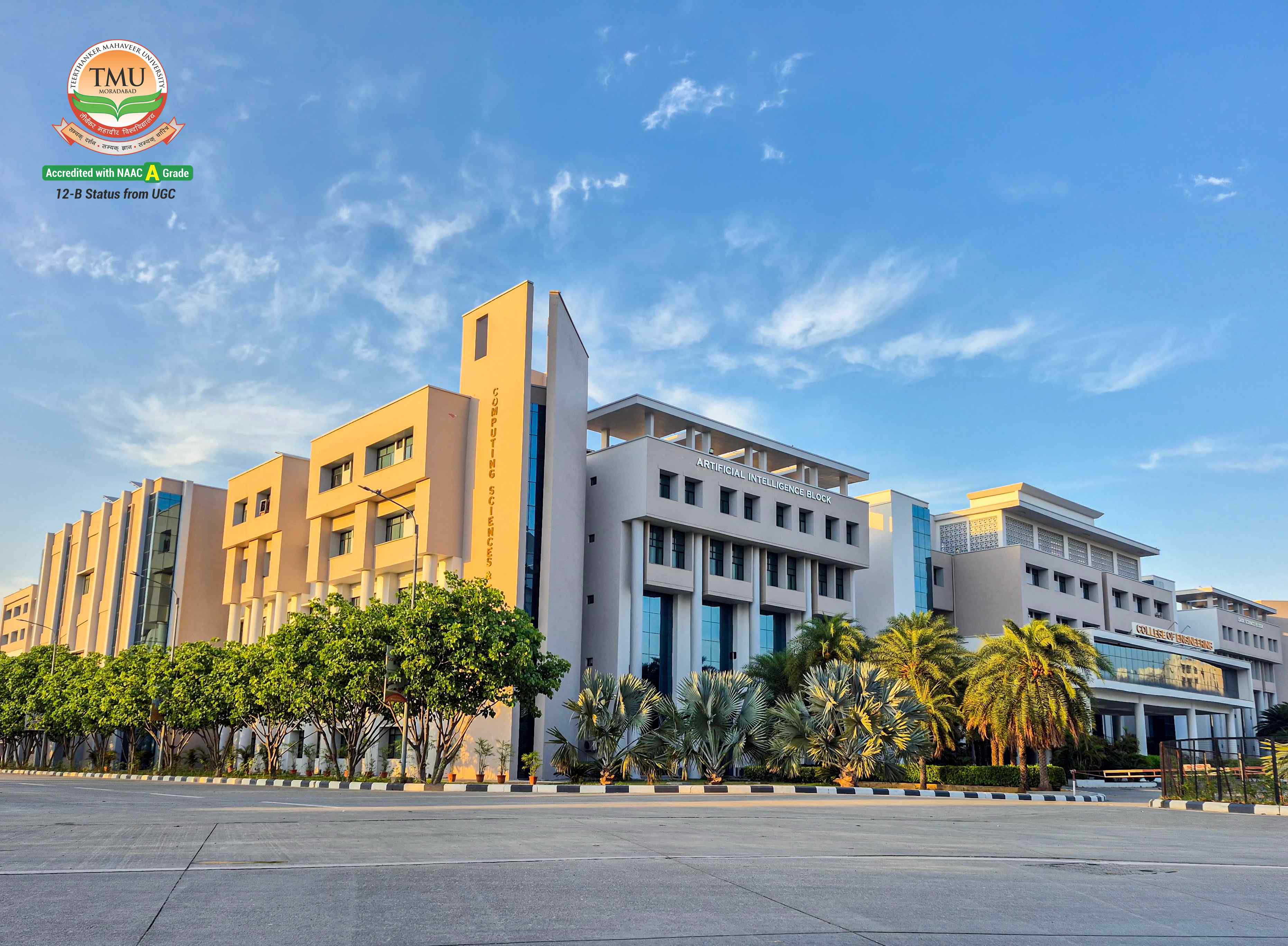
Teerthankar Mahaveer University stands out in Engineering research due to its industry-orientated curriculum and strong emphasis on practical learning. A PhD in Engineering at TMU provides an ideal combination of academic quality. Selecting TMU as your doctoral programme implies a platform that will foster your academic development, enhance your research skills, and equip you with a promising career in academia.
Areas of Research
- Electrical
- Electronics
- Civil
- Mechanical.
- Computer Science & Engineering
- Computer Applications
Application Process
Admission Guidelines
- Eligible candidates will be required to appear in the written test – the TMU Research Aptitude Test (TRAT).
- An interview for admission will be conducted by the university for PhD admission.
How to Apply
- To get admission, you are required to visit the TMU’s official admission page.
- Complete the application form and provide the necessary information
- After successfully applying, the TMU Admission Cell will coordinate with you for the entrance exam.
Important Documents
- Educational certificates
- Experience certificates, if applicable.
- A 'No Objection Certificate' from your current employer, if employed
- A copy of your latest CV
- A brief research proposal
- Character certificate
- Migration / Transfer certificate
- Category certificate (if applicable)
Conclusion
A PhD in Engineering undoubtedly offers a wide range of career opportunities in diverse fields. If you are interested in pursuing a career in advanced research or expertise, you can apply for the PhD in Engineering. With diverse specialisations and vast career opportunities, the field provides a rewarding career path for students.
FAQ
Q1. How many years is a PhD in engineering?
Ans. A PhD programme generally takes 3-5 years to complete. Depending on the programme you participate in, you may also complete an internship as part of your studies.
Q2. What is a PhD in engineering?
Ans. A PhD in Engineering is an advanced research degree that involves coursework and extensive independent research.
Q3. Is a PhD worth it for engineers?
Ans. If you want to advance in the engineering field, engage in research or shift your current career focus, you may consider applying for a PhD.
Q4. Can I skip a master's and do a PhD?
Ans. Some universities grant admission to students based on their strong academic performance or relevant research experience. It's important to know what you might need for a PhD application, as some universities may still require a Master's.
Q5. Is a PhD two years after a Master's?
Ans. No, the PhD programme usually takes at least four years.
This content gives an overview of the programme and is for educational purposes only. For updated admission guidelines and counselling support, please connect with our Counsellor Team.