



B.Com in Finance: Course Details, Eligibility & Career - TMU
Table of Contents
The B.Com in Finance is one of the most desired undergraduate degree programmes among students who want to build a career in the financial sector. In today’s rapidly evolving economy, companies require professionals with knowledge of financial management, investment policies and economic trends. The programme provides students with an ideal combination of theoretical and practical skills needed to succeed in the banking, corporate finance, and investment industries.
Full Form of B.Com in Finance
The full form of B.Com in Finance is Bachelor of Commerce in Finance. The duration of this programme is 3 years, divided into 6 semesters. The course not only builds a strong foundation in core subjects but also focuses specifically on how financial systems operate in real-world businesses and organisations.
Teerthanker Mahaveer University
Apply for Admission
Apply for Admission
Key Highlights of the Programme
- Programme Name: Bachelor of Commerce in Finance
- Programme level: Undergraduate level
- Programme Duration: 3 years, divided into 6 semesters
- Programme Eligibility: 10+2 with a minimum of 50% aggregate marks
- Minimum Marks Required: 50-55% aggregate marks
Why Choose B.Com in Finance?
Choosing B.Com in finance can open doors to numerous career opportunities. The financial sector has developed now. Now, this is not just about ledger books and calculators; finance is today fintech, wealth management and global markets. The B.Com in finance course is a specialised programme that covers topics such as investment analysis, financial markets, and risk management.
Finance professionals are always in demand across sectors such as banking, insurance, corporate firms, and fintech. Job roles like financial analyst, accountant, tax consultant, investment banker, and auditor are popular options. Students can pursue advanced qualifications like M.Com, MBA in Finance, or globally recognised certifications such as CA, CFA, and ACCA. This flexibility allows students to specialise further and increase their earning potential.
B.Com in Finance: Core Subjects and Syllabus
| Semester | Subjects in the B.Com in Finance Programme | Key Topics Covered |
| Semester 1 | Financial Accounting, Business Economics, Business Law | Basics of accounting, journal entries, ledger, demand & supply analysis, and legal framework of business |
| Semester 2 | Corporate Accounting, Business Statistics, Environmental Studies | Company accounts, ratio analysis, data interpretation, and environmental sustainability |
| Semester 3 | Cost Accounting, Corporate Finance, Banking and Financial Institutions | Costing techniques, capital budgeting, financial planning, structure of banking systems |
| Semester 4 | Management Accounting, Investment Analysis, Corporate Law | Budgeting, financial statement analysis, portfolio management, and company regulations |
| Semester 5 | Financial Markets, Taxation (Direct & Indirect), Auditing | Stock market operations, income tax, GST fundamentals, and auditing standards |
| Semester 6 | Risk Management, Insurance, Entrepreneurship Development, Project Work | Risk assessment, insurance policies, startup planning, research and project execution |
Eligibility Criteria: Can You Apply?
| Criteria | Requirement |
| Education | 10+2 (Intermediate) from a recognised board (CBSE, ICSE, or State Boards) |
| Stream | Preferably Commerce; students from Science or Arts with Mathematics are also eligible |
| Minimum Marks | Generally, 50% aggregate (subject to change as per the current year's prospectus and category relaxations) |
| Age Limit | Usually no strict age limit; admission follows university norms |
Entrance Exam for B.Com in Finance (If Applicable)
Admission to a B.Com in Finance (Bachelor of Commerce in Finance) programme is mostly based on merit (12th marks), but some universities and colleges also conduct or accept entrance exams for admission.
Popular Entrance Exams for B.Com in Finance
- CUET UG – One of the most widely accepted entrance exams
- NPAT – Conducted by NMIMS University for admission to commerce and management courses
- IPU CET – For Guru Gobind Singh Indraprastha University colleges
- SET – For admission to Symbiosis undergraduate programmes
Admission Process for B.Com in Finance
Follow these simple steps to apply for the B.Com in Finance admission:
Step 1: Online Application:
- Visit the Official Portal: Go to the official admission page of the college website.
- Register: Create an account using your email and phone number.
- Fill Form: Complete the personal and educational details.
- Upload Documents: Attach self-attested digital copies of your 10th and 12th mark sheets.
Step 2: Selection & Merit List
- Direct Admission: For most B.Com programmes, admission is granted based on the merit of your 10+2 marks.
- Provisional Admission: If your results are still awaited, you can apply for provisional admission; however, final results must be submitted by the university admission deadline.
- Counselling: The university may conduct a counselling session to verify documents and confirm your specialisation.
Step 3: Required Documents for Confirmation
Once selected, you must submit the following to secure your seat:
- 10th & 12th Mark Sheets and Certificates (Original + Self-attested copies).
- Transfer Certificate (TC) and Migration Certificate.
- Character Certificate from the last attended institution.
- Passport-size colored photographs.
- Affidavits: Anti-ragging undertaking and a commitment to university rules (on ₹10 stamp paper).
B.Com in Finance Course Fees: Government vs Private Colleges
B.Com. in Finance course fees in India differ considerably depending on whether you are taking a government or a private college. Government institutions are relatively cheaper compared to the private colleges, which are costlier because of the better infrastructure and facilities.
| College Type | Average Annual Fees | Total Course Fees (4 Years) |
| Government Colleges | ₹10,000 – ₹50,000 | ₹40,000 – ₹2,00,000 |
| Private Colleges | ₹50,000 – ₹2,00,000+ | ₹2,00,000 – ₹8,00,000+ |
Detailed Fee Insights
- Government Colleges: The B.Com in Finance course fees in government colleges are low because they are subsidised by the government. These colleges are ideal for students looking for quality education at an affordable cost.
- Private Colleges: Private universities usually charge higher fees due to modern classrooms, updated curriculum, placement support, and industry exposure. Some top private institutions may charge even higher depending on the facilities offered.
- Average Fee Range: On average, the B.Com in Finance course fees range between ₹10,000 to ₹1,50,000 per year, depending on the college.
Additional Costs to Consider
Apart from tuition fees, students may also need to pay for:
- Hostel and accommodation
- Examination and registration fees
- Study materials
- Internship or industrial visit charges
Career Opportunities After B.Com in Finance
Whether you are looking for immediate employment or planning to pursue further certifications, there are many career paths available.
High-Growth Emerging Roles
In 2026, companies are increasingly looking for specialised talent at the intersection of finance and technology.
- FinTech Specialist: Focuses on digital payments, blockchain, and financial software systems.
- ESG Analyst: Studies environmental, social, and governance reports to advise on sustainability and risk compliance—a rapidly growing field in 2026.
- Financial Data Analyst: Uses tools like Python, Power BI, and SQL to help companies make data-driven financial decisions.
- Startup Finance Manager: Manages the volatile and fast-paced financial operations of early-stage companies.
Core Career Paths & Salary Expectations
| Job Role | Average Entry-Level Salary (INR) | Key Skills Needed |
| Financial Analyst | ₹3 – ₹6 Lakhs | Analytical skills, Excel, understanding of market trends |
| Investment Banking Analyst | ₹8 – ₹12 Lakhs | Mergers & Acquisitions, financial valuation, strong analytical skills |
| Tax Consultant | ₹3 – ₹5 Lakhs | Knowledge of tax laws (GST & Income Tax), compliance skills |
| Banking Professional | ₹3.5 – ₹6 Lakhs | Customer service, banking procedures, and communication skills |
| Audit Associate | ₹3 – ₹5 Lakhs | Auditing, internal controls, attention to detail |
| Credit Analyst | ₹5 – ₹7 Lakhs | Credit assessment, risk management, and financial analysis |
Read More: Commerce Courses after 12th: Career Options, Salary & Scope
Top Professional Courses to Level Up
To move into senior management or high-paying roles, most B.Com graduates pursue additional certifications.
- CA (Chartered Accountant): The gold standard in India for auditing and taxation.
- CFA (Chartered Financial Analyst): Essential for careers in investment banking and portfolio management.
- ACCA / CPA: Ideal for those aiming for global finance roles in the UK, US, or the Middle East.
- CMA (Certified Management Accountant): Focused on cost management and strategic finance.
Study B.Com in Finance at TMU with Industry-Focused Learning
Choosing Teerthanker Mahaveer University for B.Com in Finance means gaining a perfect blend of academic knowledge, practical exposure, and career-ready skills. Here are the key reasons why TMU stands out:
Top-Tier Accreditations & Ranking
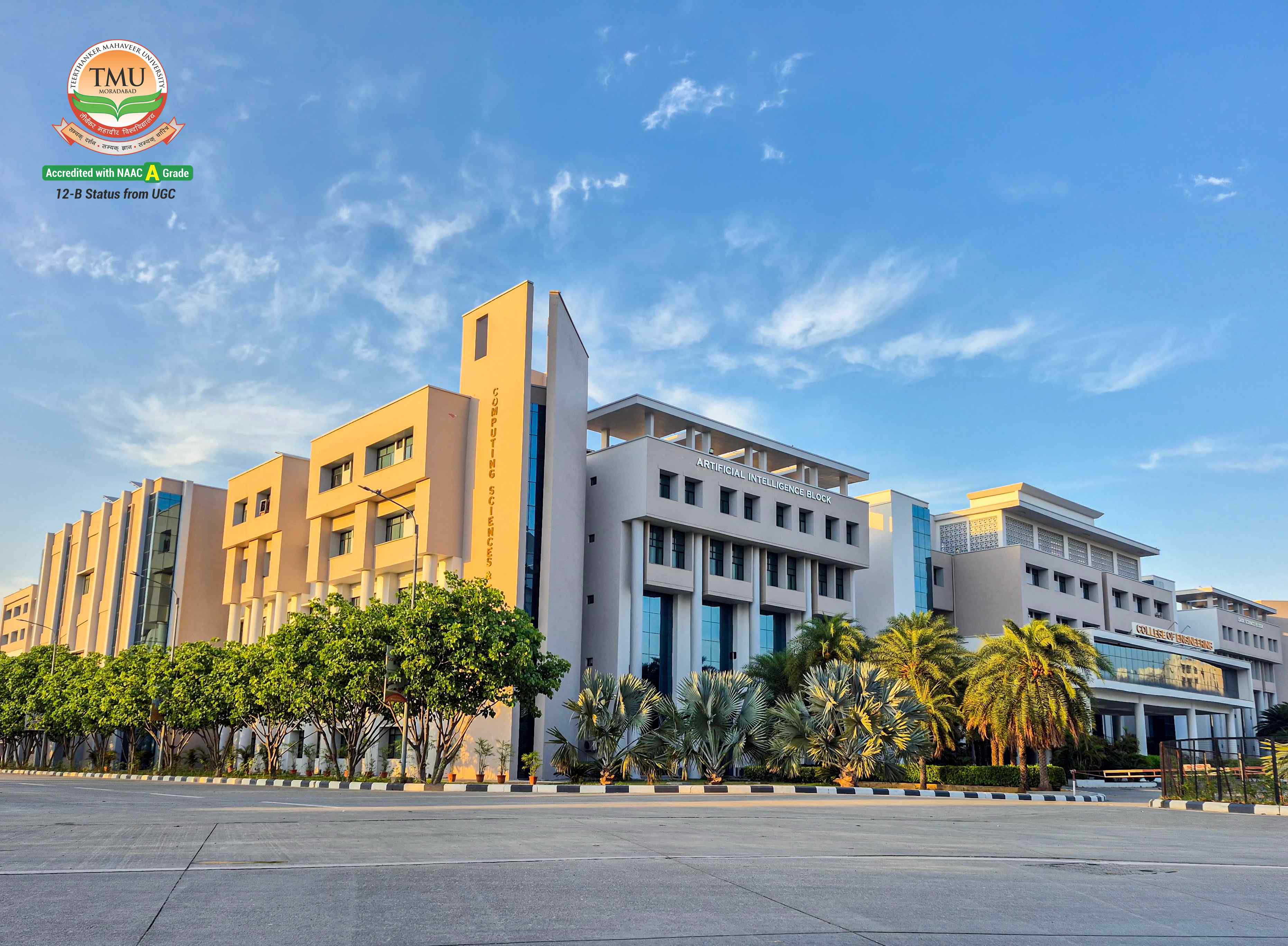
TMU is an NAAC A-accredited university. Its management college, TMIMT, is consistently ranked among the top private B-schools in North India. This ensures that your degree carries significant weight when applying for jobs or higher studies abroad.
Industry-Centric Curriculum
The finance programme is not just about theory; it is designed to meet the demands of the modern financial sector.
- Skill Integration: students receive training in high-demand tools like Tally Prime, Advanced Excel, and SAP.
- Professional Alignment: The syllabus is structured to overlap with professional certifications like CA, CS, and CMA, making it easier for you to prepare for these exams simultaneously.
Strong Placement Record
TMU has a dedicated Corporate Resource Centre (CRC) that works year-round to bring in recruiters.
- Major Recruiters: Companies like Infosys, Wipro, and Coca-Cola frequently visit the campus.
- Training: Students undergo specialised "Placement Preparation" modules, including mock interviews, group discussions, and personality development sessions starting from the second year.
Exceptional Financial Aid (Scholarships)
TMU is widely known for its generous scholarship schemes, making quality education accessible:
- Jain Minority Scholarship: Provides a 50% tuition fee waiver for the entire duration of the course for Jain students.
- Merit Scholarships: Discounts based on your 12th-grade percentage, ranging from 10% to 50% for non-Jain students.
Modern Infrastructure
The learning environment at TMU mimics a corporate setting:
- Finance Labs: Dedicated computer labs with financial software.
- Library Resources: Access to massive digital databases, financial journals, and the latest publications in global economics.
- Hostel Life: Safe, secure, and modern hostel facilities with specific attention to dietary needs (especially Jain food).
Focus on Holistic Development
Beyond the balance sheet, TMU focuses on "soft skills."
- Entrepreneurship Cell: If you plan to start your own financial consultancy, the university’s Business Incubation Centre provides mentorship and resources.
- Global Exposure: Regular seminars, guest lectures by industry experts, and industrial visits to financial hubs ensure you understand the "real world" before you graduate.
Conclusion
The world of finance is fast, rewarding, and incredibly impactful. By choosing a B.Com in Finance at TMU, you aren't just getting a degree; you’re getting a passport to the global economy.
This is the right time to begin your journey in finance. The markets are moving, and so should you. Whether you want to be a stock market guru or a corporate giant, it all starts with the right education.
FAQ
Q1. What is B.Com in Finance?
Ans. B.Com in Finance is an undergraduate commerce programme focused on financial management, accounting, banking, and investment. It prepares students for careers in finance, corporate sectors, and banking industries.
Q2. Which is better, B.Com or BAF?
Ans. B.Com offers a broader knowledge of commerce and business, while BAF is more specialised in accounting and finance. Choose B.Com for flexibility and BAF for a focused finance career.
Q3. Can I get a ₹1 lakh salary after B.Com?
Ans. Yes, but usually after gaining experience or pursuing higher qualifications like an MBA, CA, or CFA. Fresh graduates typically start with lower salaries and grow over time.
Q4. Which type of B.Com is best?
Ans. B.Com in Finance is considered one of the best due to strong career opportunities in banking and investment. Other good options include Accounting and Banking & Insurance, depending on your interests.
This content gives an overview of the programme and is for educational purposes only. For updated admission guidelines and counselling support, please connect with our Counsellor Team.