



TMU Hospital Strengthened Patient-Centred Care Through Staff Training Programme
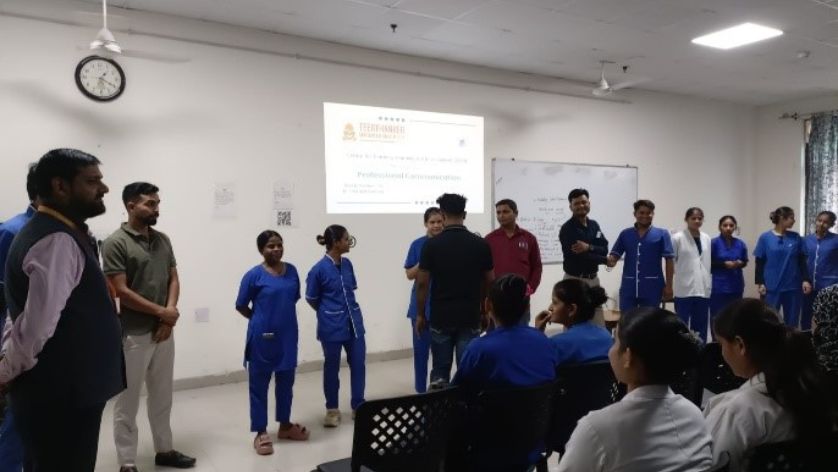
TMU Hospital conducted a Hospital Staff Training Programme in July 2026 as part of the behavioural and soft skills development initiative of the Centre for Teaching, Learning & Development (CTLD). The programme focused on improving patient care, professional communication and workplace behaviour among hospital staff.
A total of 107 participants attended the two training sessions, and 74 feedback responses were received. The feedback showed that participants were highly satisfied with the training content, trainers, practical activities and workplace relevance.
Training Sessions Focused on Key Healthcare Skills
The first session, “Compassionate Care and Empathy,” was conducted on 17 July 2026 by Prof. (Dr.) Pankaj Kumar Singh. A total of 39 participants submitted their feedback.
The session focused on empathy, emotional intelligence and compassionate patient care. Participants appreciated the trainer’s communication style, motivational delivery, real-life healthcare examples and role plays. They also shared that the training could help them improve their interactions with patients and contribute to better patient satisfaction.
The second session, “Professional Communication,” was conducted on 18 July 2026 by Dr. Dilip Dutt Varshney. The session received 35 responses.
Participants appreciated the practical communication activities, workplace examples, role plays and exercises on communication barriers. The session helped staff understand the importance of listening skills, professional behaviour and effective communication during patient interactions and workplace coordination.
Participants Suggested More Training Sessions
The feedback collected after the sessions showed strong interest in similar programmes. Participants suggested conducting behavioural and communication training regularly and increasing the duration of future sessions.
They also recommended more healthcare case studies, role plays, interactive activities and advanced modules. Some participants suggested department-specific communication sessions to address workplace needs more effectively.
CTLD Planned Continued Behavioural Development
Based on the feedback, CTLD recommended continuing monthly behavioural and communication training programmes. Advanced sessions on emotional intelligence and patient experience were also recommended.
Quarterly refresher programmes, department-specific workshops and more simulation-based learning were suggested to provide staff with continuous opportunities to develop their professional skills. Periodic feedback and departmental reviews were also recommended to monitor the impact of the training.
Conclusion
The Hospital Staff Training Programme conducted in July 2026 successfully supported TMU Hospital’s focus on professional and patient-centred healthcare services. The positive feedback showed that practical training in empathy, communication and professional behaviour was valuable to hospital staff. The programme further supported CTLD’s commitment to continuous learning, behavioural excellence and better patient experiences.