



CTLD Hosted Hospital Staff Development Programme at TMU
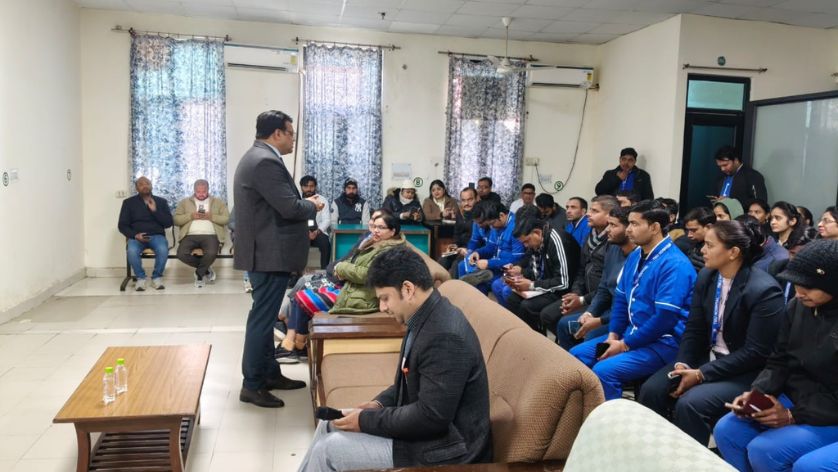
The Hospital Training Programme was successfully organised by the Centre for Teaching, Learning and Development (CTLD) at Teerthanker Mahaveer University for the staff of TMU Hospital from 13th to 24th January 2026. The training programme focused on improving soft skills, behavioural skills, communication, teamwork, and patient care. Staff members from nursing, administration, technical departments, and support services actively participated in the programme.
The programme aimed to strengthen patient-centred healthcare services by helping hospital staff develop better communication skills, professional behaviour, empathy, and problem-solving abilities. The sessions followed practical learning methods such as role plays, demonstrations, case studies, and group activities. These interactive sessions made learning simple, interesting, and useful for daily hospital work.
Focused on Professional Excellence
The programme began with a session by Prof. (Dr.) Pankaj Kumar Singh, Director, CTLD, who spoke about professionalism, leadership, and service excellence in healthcare. He encouraged participants to understand their important role in providing quality healthcare and maintaining a patient-first approach. He also explained how positive behaviour and responsibility could improve the overall patient experience.
Dr Jasmine Stephen and Ms Gauri Takiyar conducted sessions on service etiquette and patient assistance. They explained the importance of polite communication, emotional control, respectful behaviour, and proper interaction with patients and their families. Through practical demonstrations and role plays, participants learned how to handle different patient situations with confidence and care.
Ms Mani Saraswat and Dr Dilip Dutt Varshney led sessions on compassionate care and professional communication. They discussed empathy, emotional intelligence, and effective communication skills. Participants learned how better communication could build trust with patients, improve teamwork, and create a positive hospital environment.
The final sessions were conducted by Mr Sagar Pratap Singh and Mr Jatin Dua. These sessions focused on grievance handling, conflict resolution, teamwork, and coordination between different hospital departments. Real-life examples and practical activities helped participants understand how to listen carefully, solve problems quickly, and work together more effectively.
Throughout the event, participants remained actively involved in discussions and practical exercises. The programme also supported the hospital's commitment to maintaining quality healthcare services in line with NABH standards and continuous professional development.
Conclusion
The CTLD Hospital Training Programme ended with positive feedback from the participants. They appreciated the practical learning methods and found the sessions helpful for their daily responsibilities. The programme successfully improved communication, patient service etiquette, empathy, teamwork, and grievance-handling skills among hospital staff. Through this initiative, CTLD once again strengthened TMU Hospital's commitment to patient-centred care, quality healthcare services, and continuous learning for healthcare professionals.