



Basic Course in Medical Education Conducted at TMMCRC
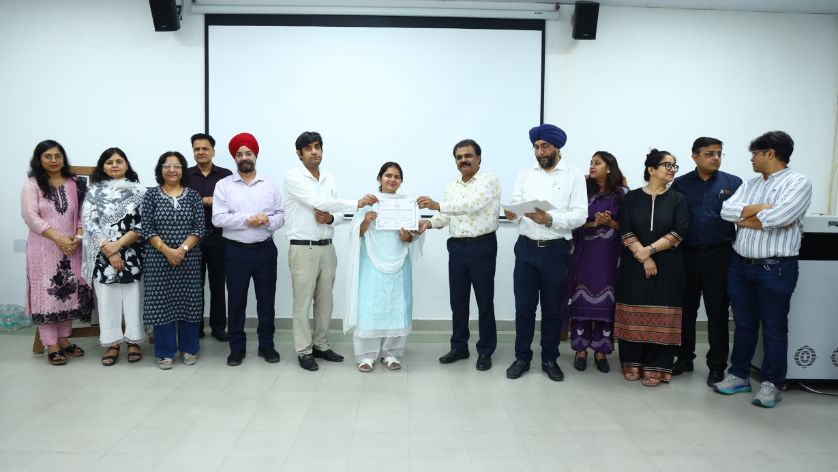
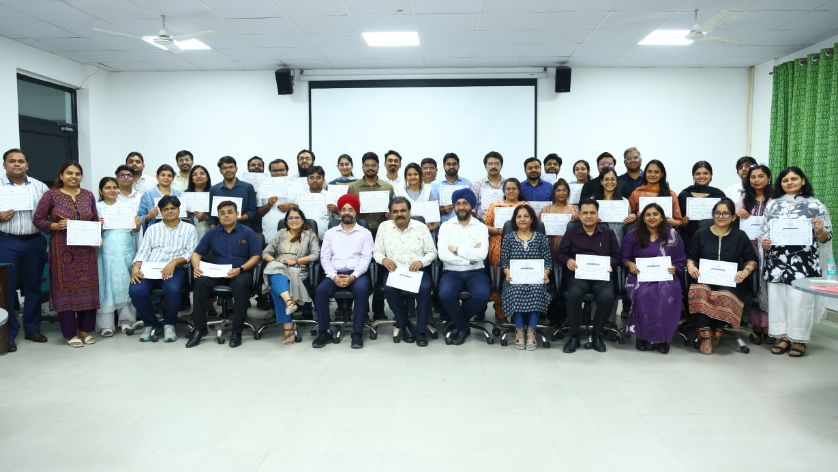
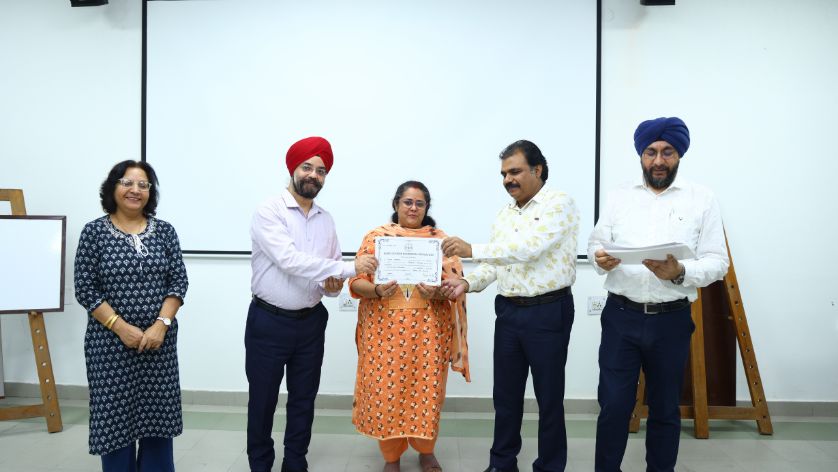
The Basic Course in Medical Education was successfully conducted at Teerthanker Mahaveer Medical College and Research Centre (TMMCRC) from 25th to 27th June 2026. The three-day faculty development programme was organised by the Medical Education Unit (MEU) under the Regional Centre of SRMSIMS, Bareilly. The workshop was held to help faculty members understand the changes introduced in the New MBBS Curriculum and prepare them to become effective facilitators for medical students.
The programme was conducted in the presence of Dr Jaswinder Singh, MEU Coordinator and Convener of the Regional Centre, SRMSIMS, Bareilly, who attended as the NMC Observer. A total of 30 faculty members from different departments participated in the Basic Course in Medical Education, following the guidelines issued by the National Medical Commission (NMC).
The workshop was led by the Medical Education Committee and Curriculum Committee members of TMMCRC. The resource persons included Dr N. K. Singh, Dr Seema Awasthi, Dr Ashutosh Kumar, Dr Sadhna Singh, Dr Shruti Chandak, Dr Rajul Rastogi, Dr Sudhir Singh, Dr Priye Suman Rastogi, Dr Astha Lalwani, Dr Shilpa Patrick, Dr Prachi Singh, Dr Faiza Samin, Dr Nikhil, and Dr Prithpal S. Matreja. All resource faculty members had previously received training from Regional and Nodal Centres in BCME and AETCOM programmes.
As per NMC guidelines, the participants included 4 faculty members from Phase I departments, 1 from Phase II, and 25 from Phase III departments. During the Basic Course in Medical Education, the faculty members attended sessions on learning processes, learning domains, competencies, learning objectives, teaching-learning methods, assessment methods, AETCOM, self-directed learning (SDL), mentoring, lesson planning, and clinical skill teaching.
The sessions also covered internal and formative assessment, preparation of essay questions and multiple-choice questions (MCQs), competency-based assessment, quality assurance, and academic networking. Special attention was given to aligning teaching methods with learning objectives and competencies so that students could receive better medical education.
The participants also learned about important concepts introduced in the Competency-Based Medical Education (CBME) curriculum, such as early clinical exposure, electives, skill assessment, and integration. The workshop explained how these changes could improve the learning experience of MBBS students. Faculty members actively participated in discussions and shared their views during the interactive sessions.
The programme ended with a feedback session where participants appreciated the practical approach of the workshop. They shared that the training improved their understanding of the revised curriculum and strengthened their teaching skills. The programme also highlighted the changing role of teachers as facilitators who guide students through competency-based learning.
Conclusion
The Basic Course in Medical Education at TMMCRC successfully trained faculty members on the latest MBBS curriculum and modern teaching practices. The workshop strengthened the knowledge and skills of medical educators and supported TMU's commitment to delivering quality medical education through competency-based learning.